Products
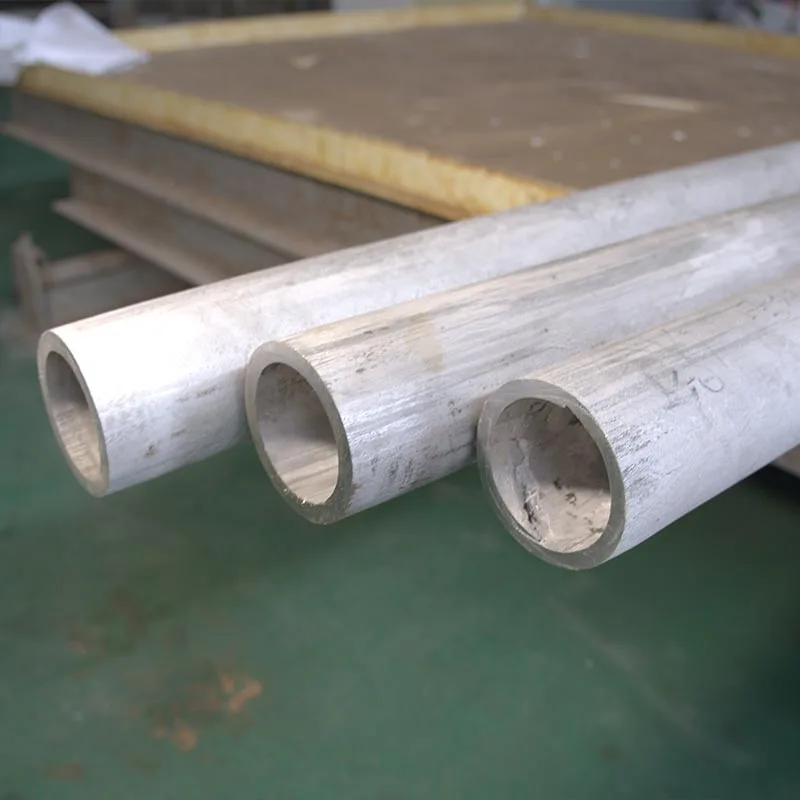
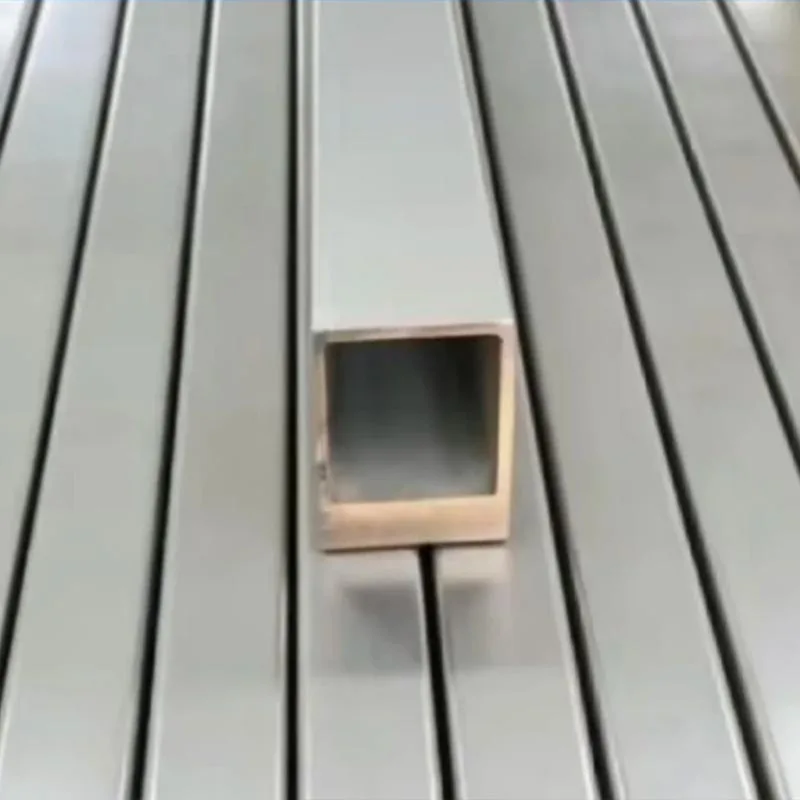
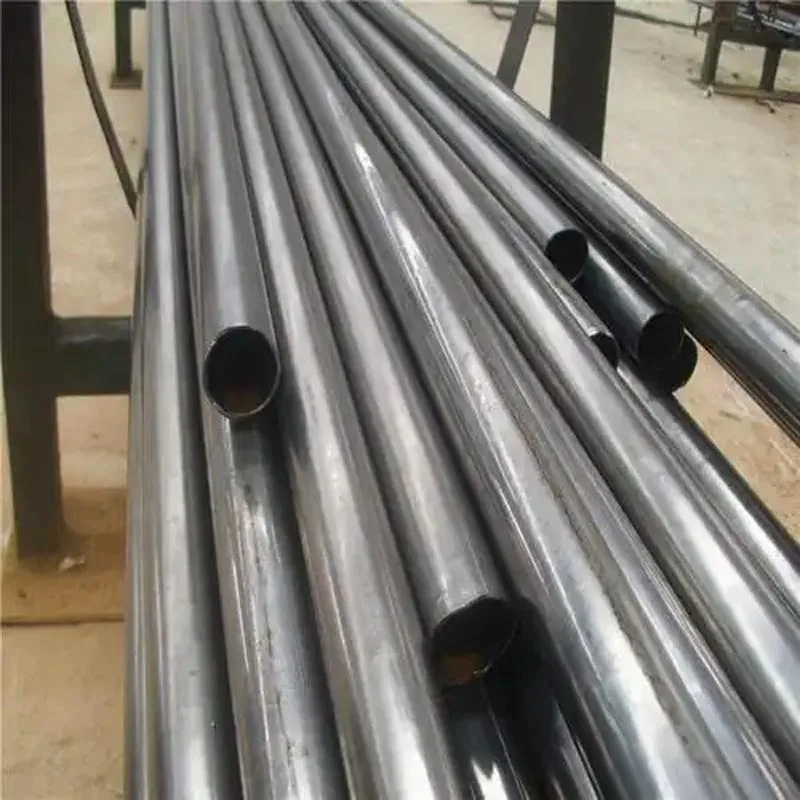
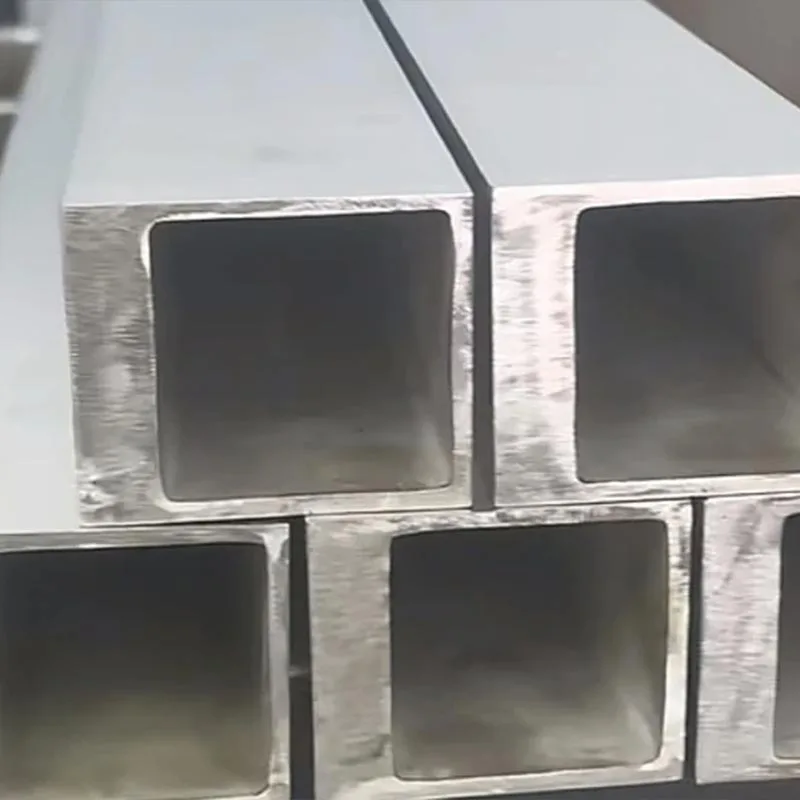
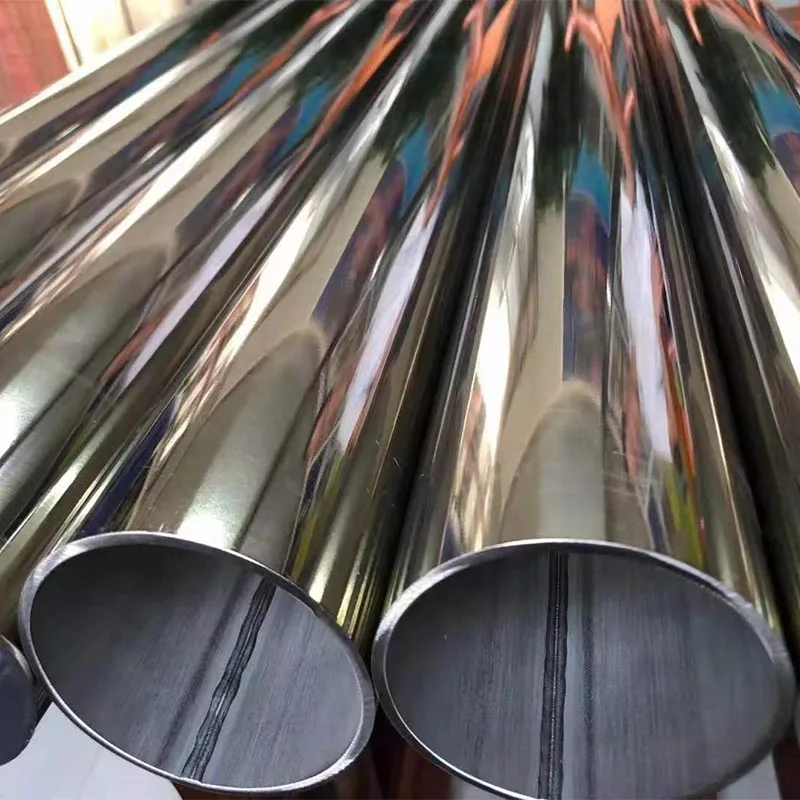
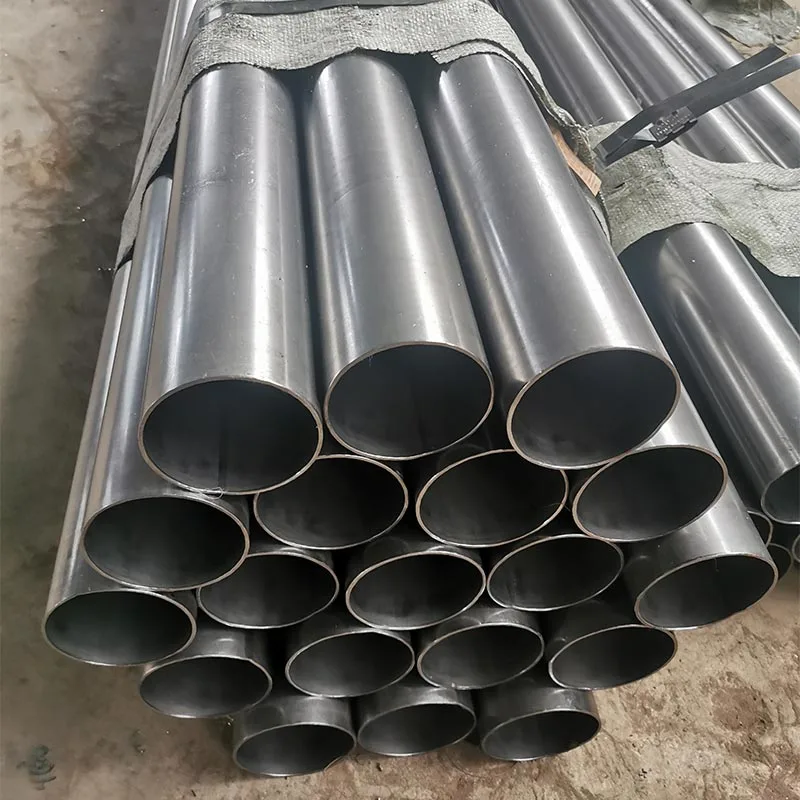
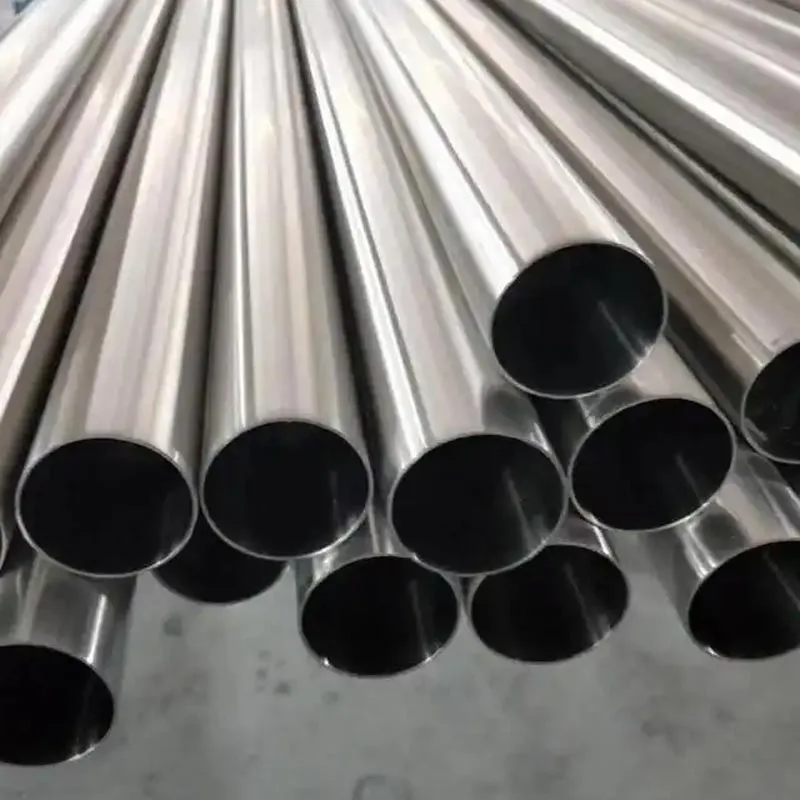
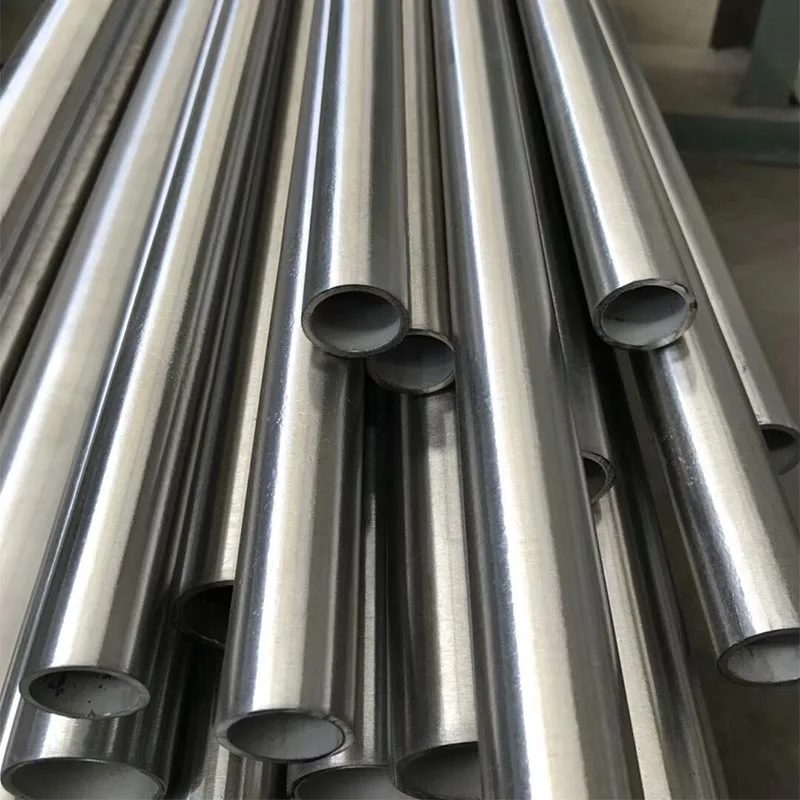
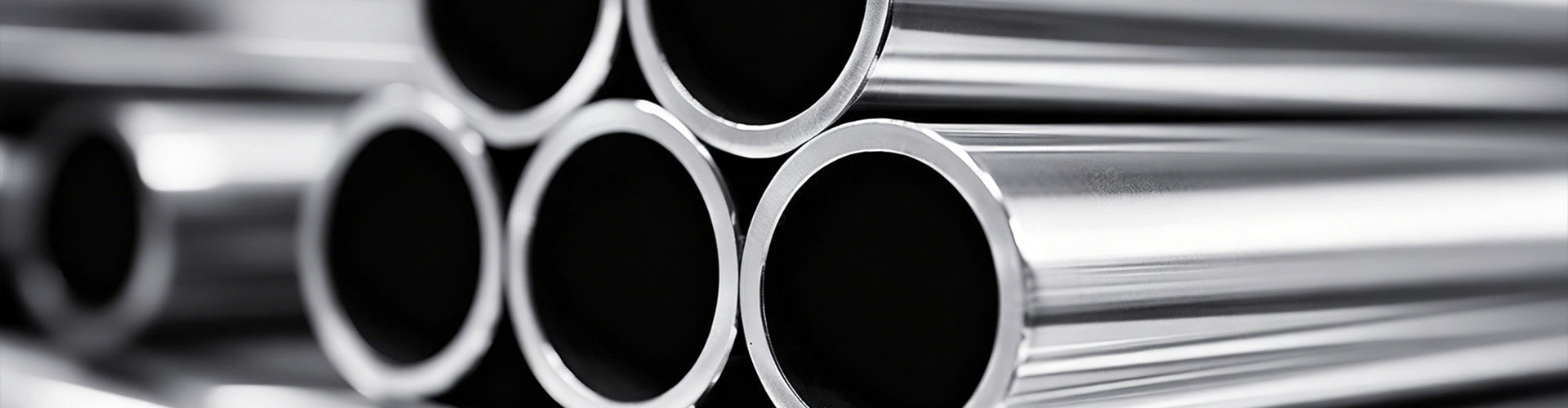
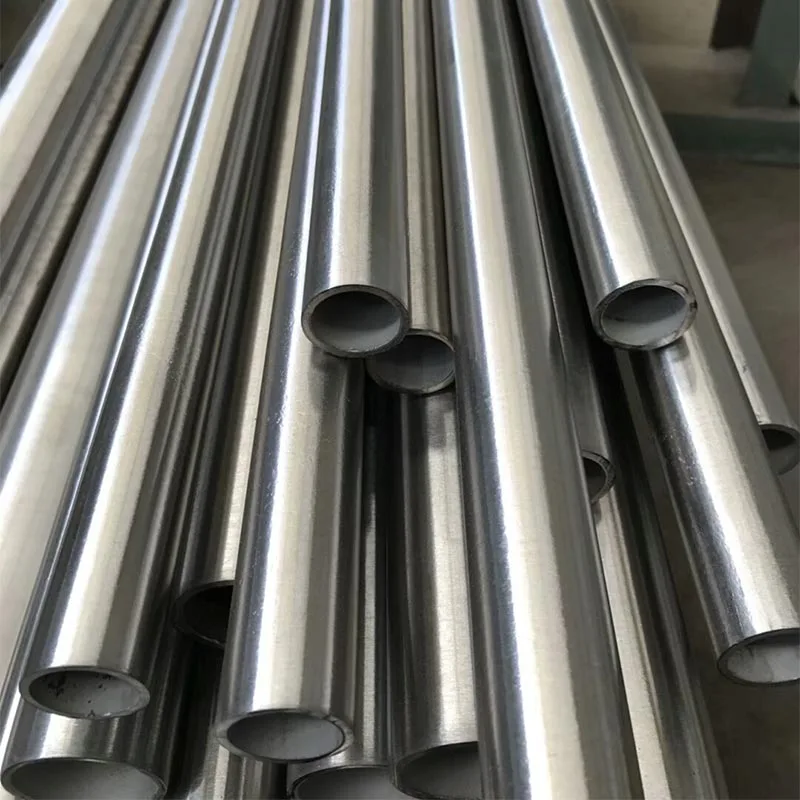
X20Н25 Hot Extruded Seamless Round Pipe
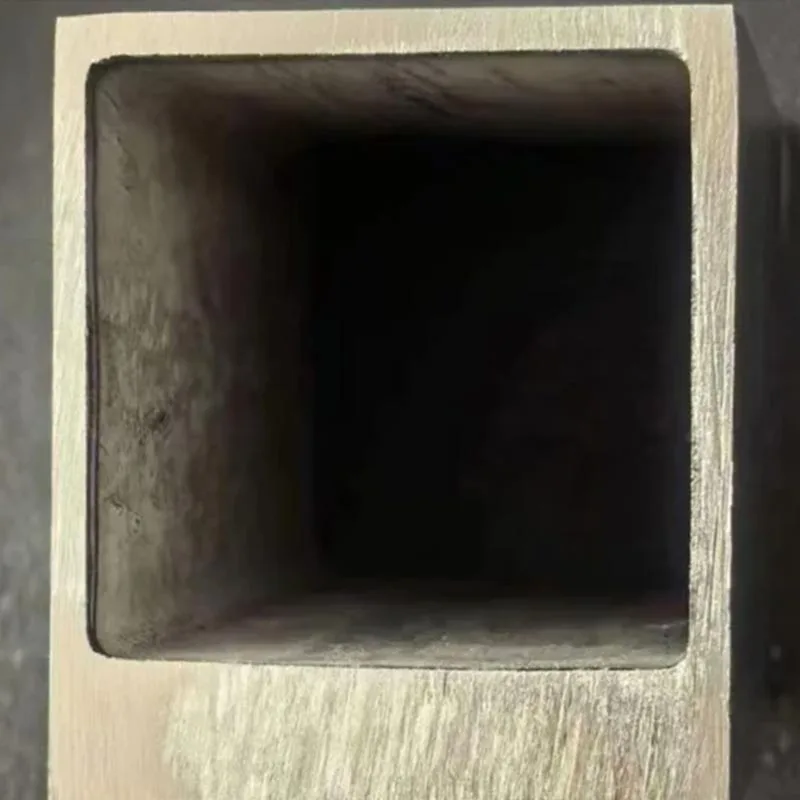
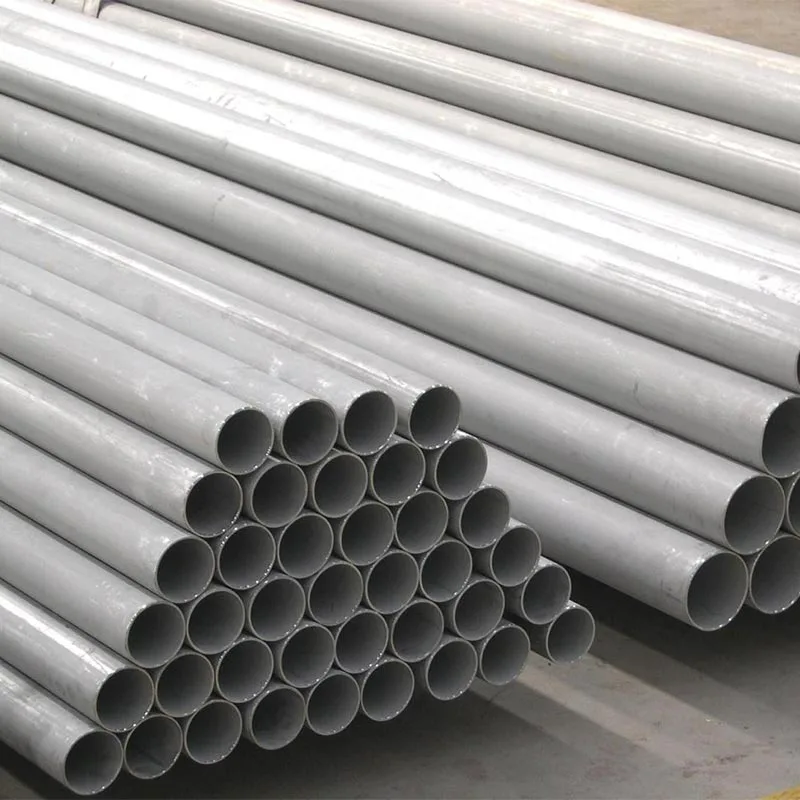
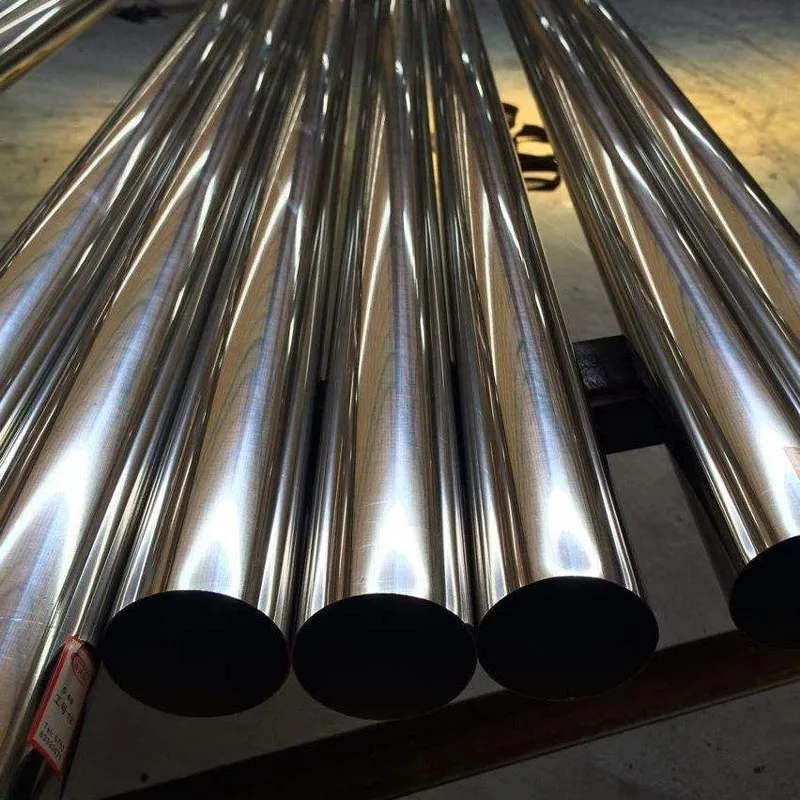
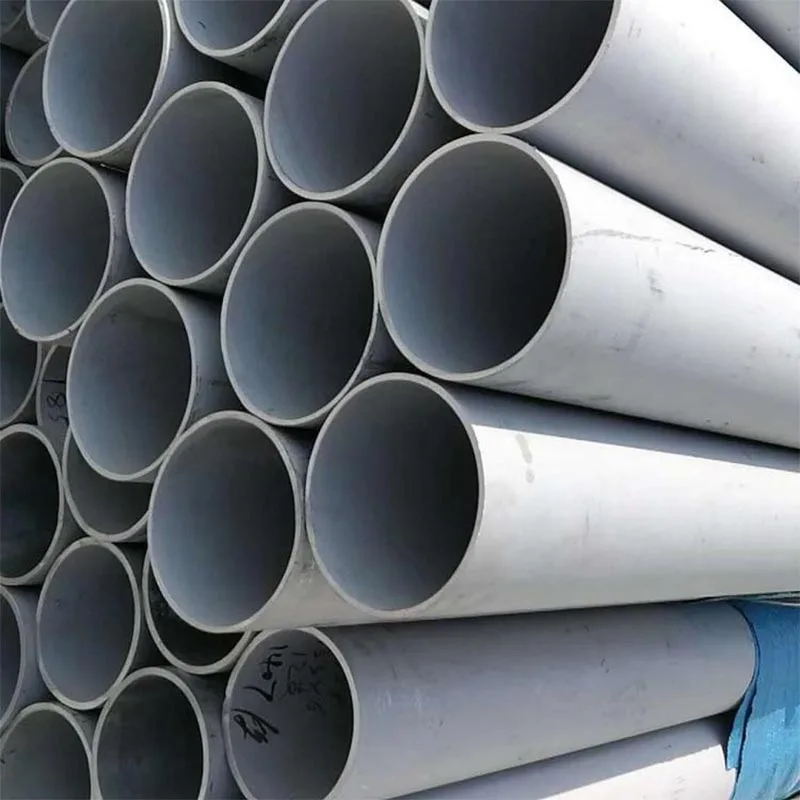
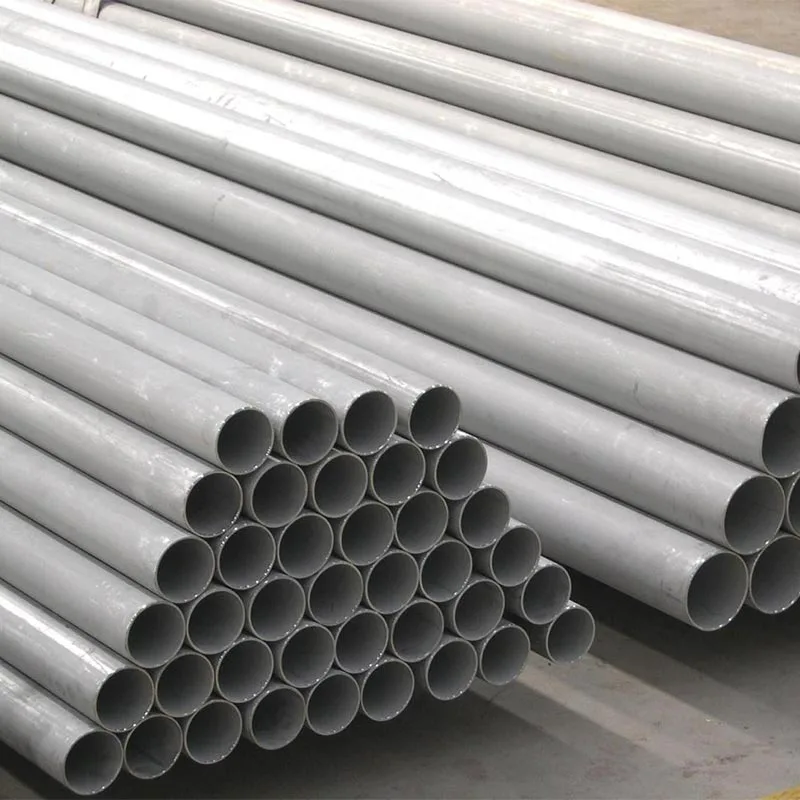
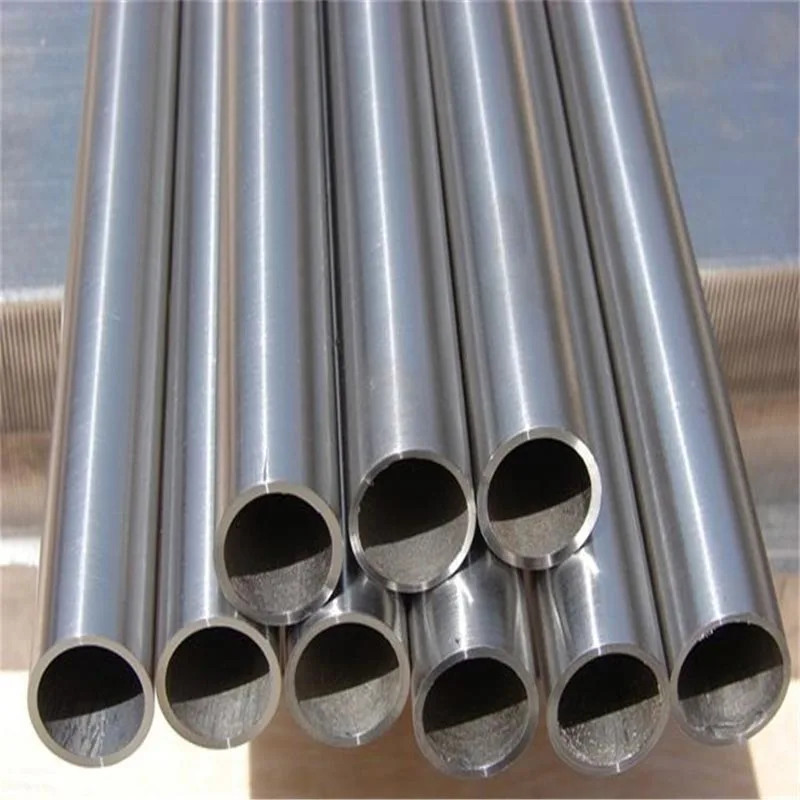
Buy quality X20Н25 Hot Extruded Seamless Round Pipe from Ji lai da, a professional manufacturer in China. Manufactured by hot extrusion above 1,100°C, Х20Н25 seamless pipes feature a uniform austenitic structure, low residual stress, excellent chloride stress corrosion cracking resistance, and reliable performance between 316 stainless steel and premium nickel alloys. Available in customized dimensions with EN 10204 3.1 MTC, full heat traceability, and factory-direct pricing, our Х20Н25 pipes are widely used in desalination, petrochemical, offshore, and acid processing industries.
JILAIDA manufactures X20Н25 Hot Extruded Seamless Round Pipe in China for industrial applications requiring high-nickel alloy materials and seamless construction. The alloy's chromium and nickel content makes it relevant to applications where corrosion resistance and material stability are important. Produced by hot extrusion, the pipe is intended for industrial piping, process equipment, and further tube processing where the specified alloy composition and pipe dimensions meet the application requirements.
For engineers and industrial purchasers, the value of this product lies in the combination of high-nickel alloy selection and a seamless manufacturing route. JILAIDA supplies seamless pipe products from its China factory, with production and inspection requirements addressed according to the specified material, dimensions, surface finish, and intended use.
When Nickel Content Matters in Corrosive Service
Chloride stress corrosion cracking is a concern in certain stainless steel applications, particularly when chloride exposure, elevated temperature, and tensile stress occur together. Deposits beneath insulation, stagnant process fluids, and concentrated chloride solutions can increase the risk of localized corrosion or cracking.
Х20Н25 is a high-chromium, high-nickel alloy designation. Its nickel-rich composition makes it relevant when evaluating alternatives to conventional stainless steel for applications where chloride-related stress corrosion cracking is a design concern.
Material selection should account for the complete operating environment rather than nickel content alone. Temperature, chloride concentration, applied stress, process chemistry, and the condition of the pipe surface all influence service performance. The selected alloy should match the actual corrosion and mechanical requirements of the installation.
Why Use Hot Extrusion for This Alloy?
High-alloy materials require appropriate forming temperatures and controlled processing conditions. During hot extrusion, a heated billet is forced through a die and over a mandrel to form a hollow section. This produces a seamless pipe without a longitudinal welded joint.
For X20Н25 Hot Extruded Seamless Round Pipe, the manufacturing method offers several practical benefits:
- No Longitudinal Weld Seam: The pipe body is formed without a longitudinal welded joint or its associated weld heat-affected zone.
- Suitable for Thick-Wall Hollow Sections: Hot extrusion provides a manufacturing route for producing hollow sections with substantial wall thickness relative to their outside diameter.
- Defined Starting Dimensions: Outside diameter and wall thickness provide a basis for dimensional inspection, machining allowances, and further tube processing.
- Potential for Cold Drawing: Extruded hollows can serve as parent material for cold drawing when the alloy condition, dimensions, and surface quality suit the downstream process.
The final pipe's dimensional accuracy, mechanical properties, and surface condition depend on the material and the production and finishing processes. These characteristics are evaluated against the applicable product requirements rather than inferred from the seamless structure alone.
Product Parameters
| Item | Range | Detail |
| OD | 6 – 89 mm | Standard extrusion window |
| Wall | 3 – 9 mm | ±0.3 mm tolerance |
| Length | 3000 – 10000 mm | Cut to requirement |
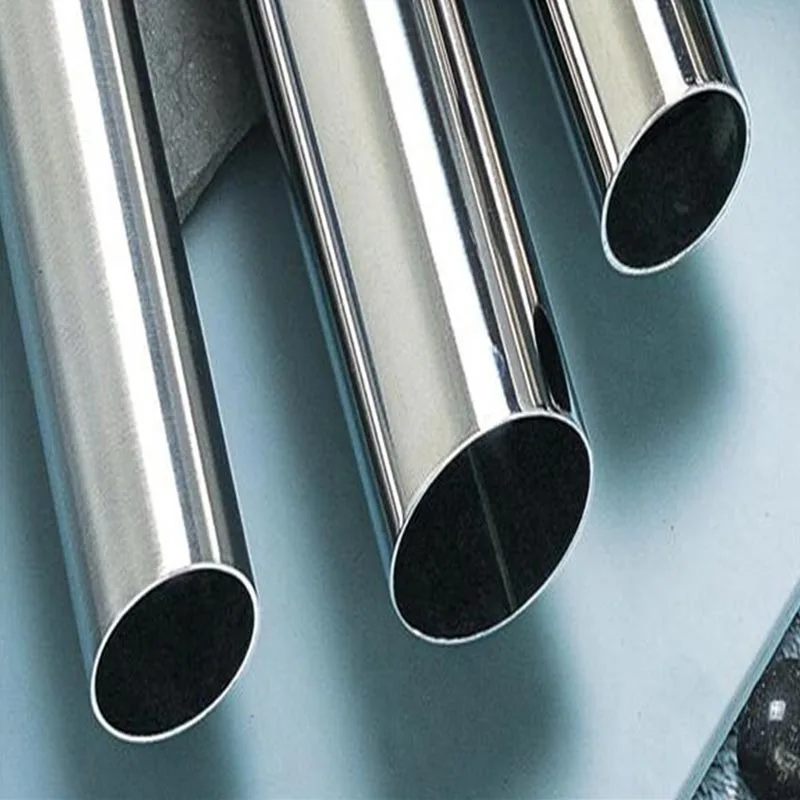
| Surface | Pickled / Polished | Pickled standard |
| Drawing stock | OD 89 × WT 9 mm | Cold-draw parent hollow |
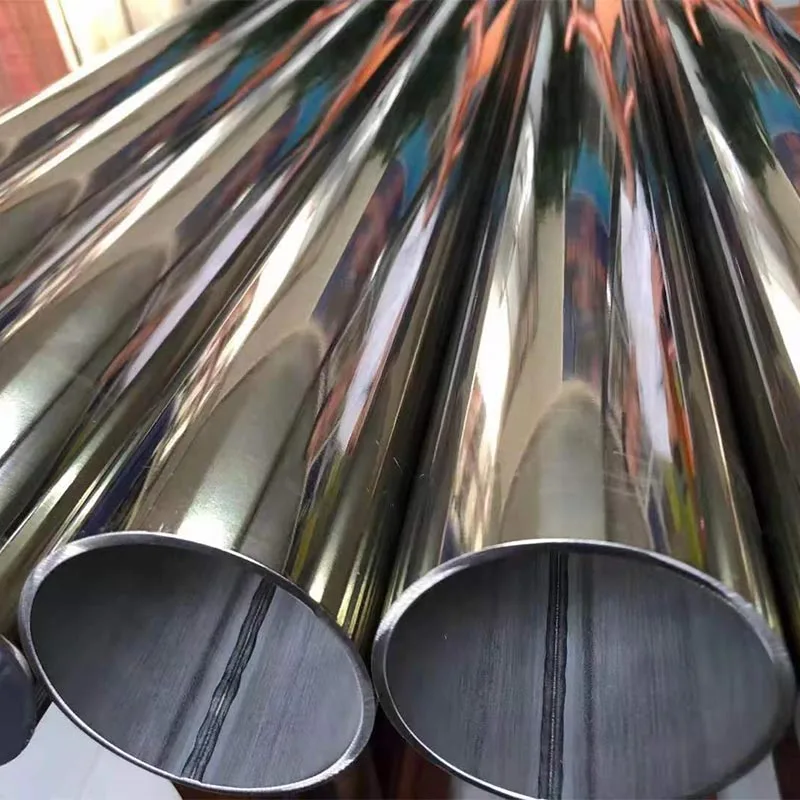
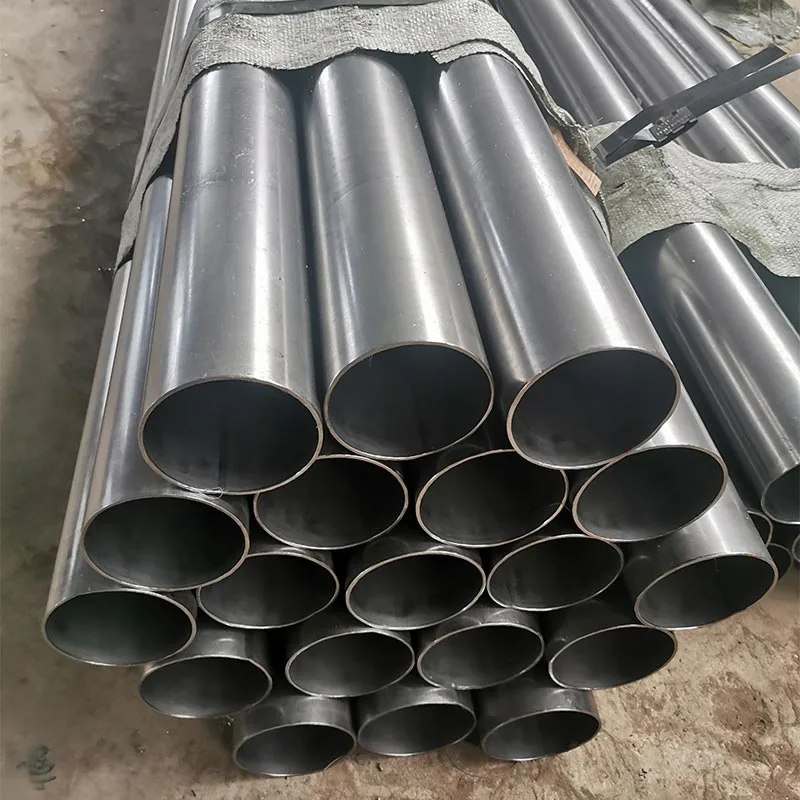
The standard size range covers finished pipe and semi-finished hollow requirements. For downstream cold drawing, the starting outside diameter, wall thickness, surface condition, and machining allowance are important factors in determining how efficiently the material can be processed.
Material Designation and Equivalent Grades
When specifying Х20Н25, distinguish between a material designation, a pipe manufacturing standard, and a proposed alternative material. Similar chromium or nickel contents do not establish full equivalence between different alloy grades.
| Market | Standard | Designation | UNS / EN No. |
| Russia / CIS | GOST 5632 / GOST 9940 | Х20Н25 | — |
| UAE / GCC | ASTM A312 / A790 | N08926 / TP317L* | N08926 |
| Saudi Arabia | ASTM A312 / SASO | TP317L* | S31703 |
| India | IS 6911 / ASTM | Alloy 20 / N08825* | N08825 |
| Singapore | ASTM A312 / SS 269 | TP317L* | S31703 |
| Malaysia | MS / ASTM A312 | TP317L* | S31703 |
| Indonesia | SNI / ASTM A312 | TP317L* | S31703 |
| Vietnam | TCVN / ASTM A312 | TP317L* | S31703 |
| Egypt | EOS / ASTM A312 | TP317L* | S31703 |
For projects based on Russian or other international specifications, provide the exact material standard, its revision where applicable, and the required pipe product specification. If an alternative grade is being considered, the proposed material should be evaluated against the project's chemical composition, mechanical properties, corrosion conditions, and inspection requirements before substitution.
How JILAIDA Supports Production Requirements
JILAIDA operates a China manufacturing facility for stainless steel seamless pipes and nickel-based alloy seamless pipes. The company's published factory information identifies large extrusion presses, supporting production machinery, and a dedicated inspection department. These resources support the production of seamless hollow sections for industrial applications.
For special alloy pipe orders, production planning involves more than selecting a nominal grade. The material specification, billet requirements, extrusion dimensions, finishing method, and inspection scope all affect the finished product.
- Extrusion-Based Manufacturing: JILAIDA's hot-extrusion production route is suited to customers sourcing seamless hollow sections rather than welded pipe.
- Dimension-Focused Production: Outside diameter, wall thickness, and length form the basis for defining the required pipe configuration and inspection criteria.
- Inspection Coordination: Dimensional and surface requirements can be incorporated into the inspection scope for the order.
- Support for Further Processing: Customers sourcing parent hollows for cold drawing can specify their intended reduction process and target finished tube dimensions.
For purchasers, these manufacturing considerations help align the supplied pipe with the intended fabrication or processing route. They also provide a clear basis for discussing material documentation and inspection requirements with JILAIDA before production.
Applications and Material Selection
Х20Н25 Hot Extruded Seamless Round Pipe is intended for applications where its specified alloy composition and seamless construction fit the service conditions. Potential application areas include:
- Chemical processing equipment and industrial process piping
- Selected chloride-containing service environments
- Industrial equipment exposed to demanding corrosion conditions
- Semi-finished hollow stock for cold drawing and precision tube manufacturing
The choice between conventional stainless steel and higher-alloy materials depends on the corrosive medium, temperature, pressure, mechanical loading, and required service life. In particularly aggressive reducing acids or severe mixed-acid environments, alloys with specifically designed molybdenum or other alloying additions may be more suitable. Alloy selection should therefore follow the actual process conditions rather than a general ranking by nickel content.
Information for Your RFQ
When requesting a quotation for X20Н25 Hot Extruded Seamless Round Pipe, provide the material designation, applicable material specification, outside diameter, wall thickness, length, quantity, and surface finish. Include the operating medium and temperature where corrosion resistance is a key selection factor.
For cold-drawing applications, state the target finished tube dimensions and the intended downstream process. For project supply, specify the required material test certificate, chemical analysis, mechanical test results, dimensional inspection, or additional nondestructive examination in the inquiry.
This information helps JILAIDA assess production requirements and align the offered pipe with the project's material, dimensional, and documentation needs.
FAQ
Q1: What is the main advantage of Х20Н25 over conventional 316 stainless steel?
A: Х20Н25 is a high-nickel alloy designation that can be relevant when evaluating materials for service involving chloride-related stress corrosion cracking. However, corrosion performance depends on the complete alloy chemistry and operating conditions, including temperature, chloride concentration, and applied stress.
Q2: Is Х20Н25 interchangeable with Alloy 825, N08926, or TP317L?
A: These grades should not be treated as interchangeable. Alloy 825, N08926, and TP317L have different specified chemical compositions and material requirements. Substitution must be based on the applicable material specification and the project's corrosion, mechanical, and inspection requirements.
Q3: Can this pipe be used as cold-drawing stock?
A: Hot-extruded hollow sections can be used as parent material for cold drawing when their dimensions, material condition, and surface quality suit the intended reduction process. Specifying the target finished tube dimensions helps define the required starting hollow.
Q4: What information is needed to order Х20Н25 seamless pipe?
A: Provide the material designation, applicable specification, outside diameter, wall thickness, length, quantity, and surface finish. For industrial projects, also include the service medium, operating temperature, and required inspection documents so the supply requirements can be defined before production.
Request a Quotation
Send your grade, dimensions, quantity and documentation requirements — our team will confirm specification and lead time.
Contact JILAIDA →
Send Inquiry
Contact Info
-
Address
No. 521 Zhonghui Road, Huishan District, Wuxi City, Jiangsu Province, China
-
Tel
-
Email
Request a quotation from JILAIDA, a professional stainless steel and nickel based alloy seamless pipes and nickel based alloy forged round bar manufacturer in China. Get factory price, customized solutions and reliable supply.
Related Products
News Recommendations