Products
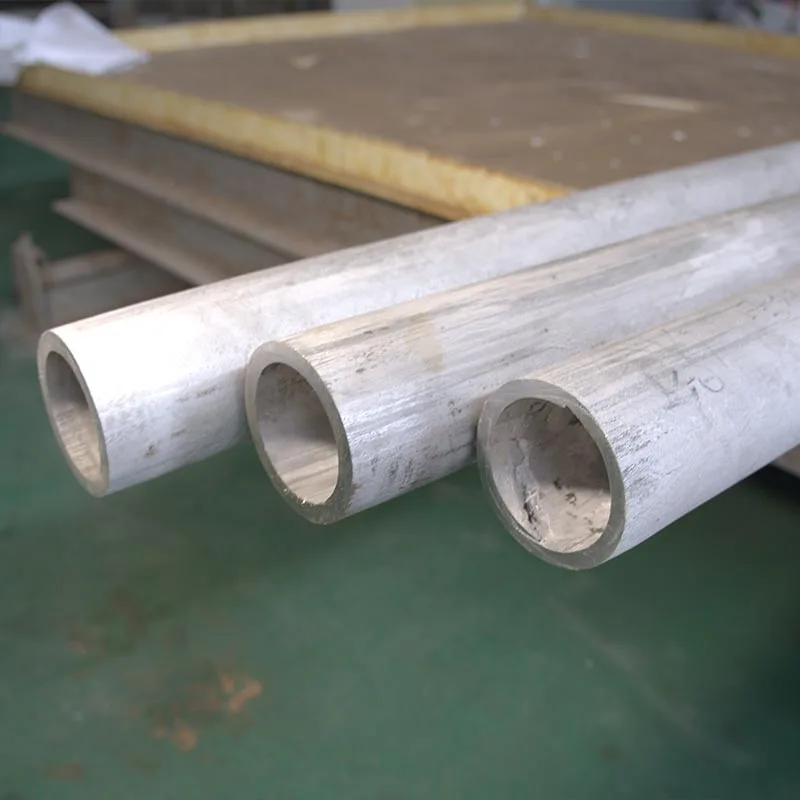
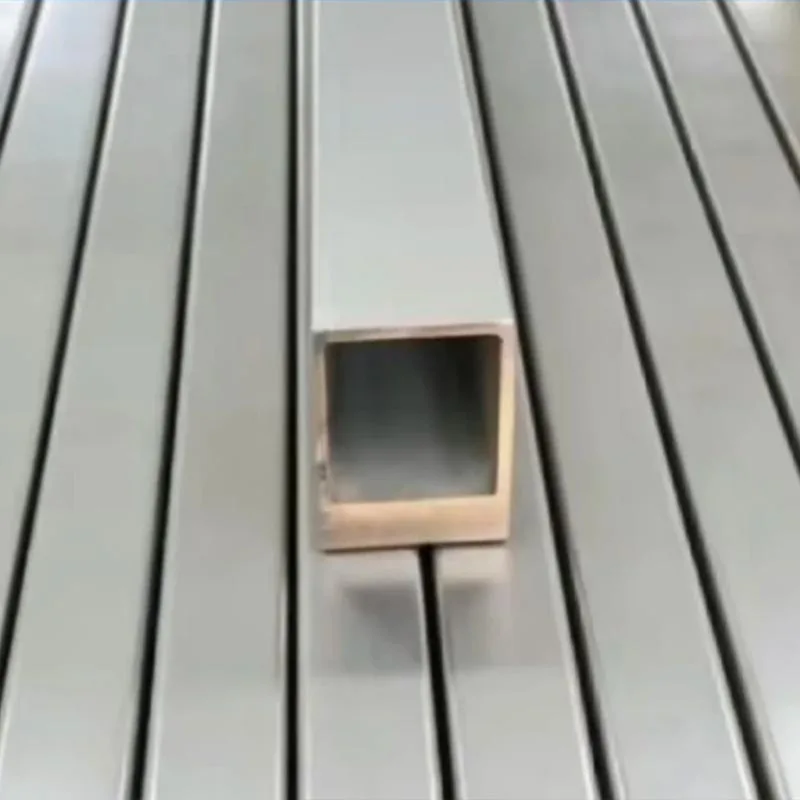
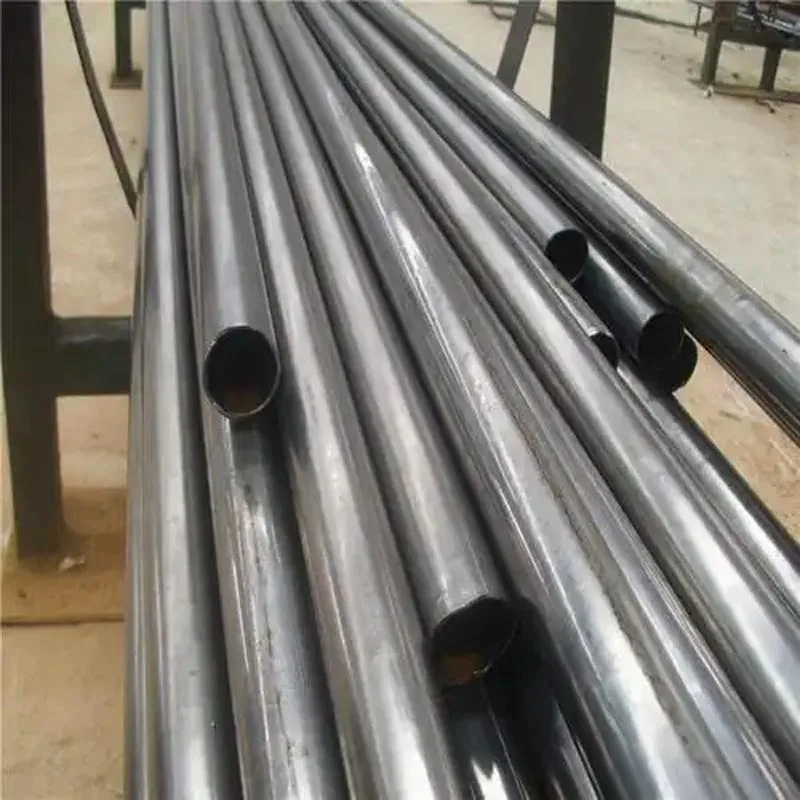
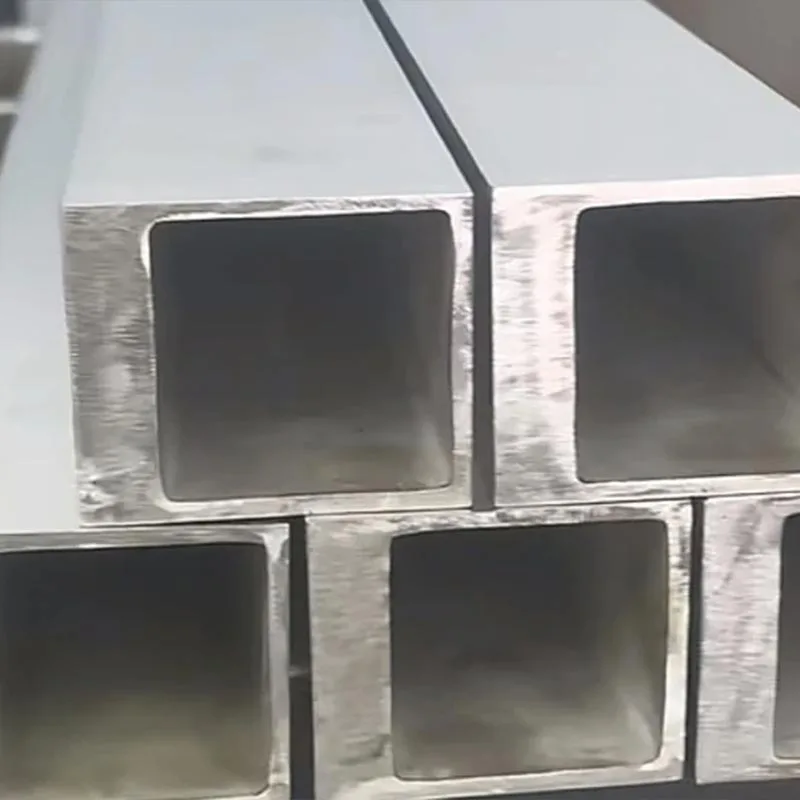
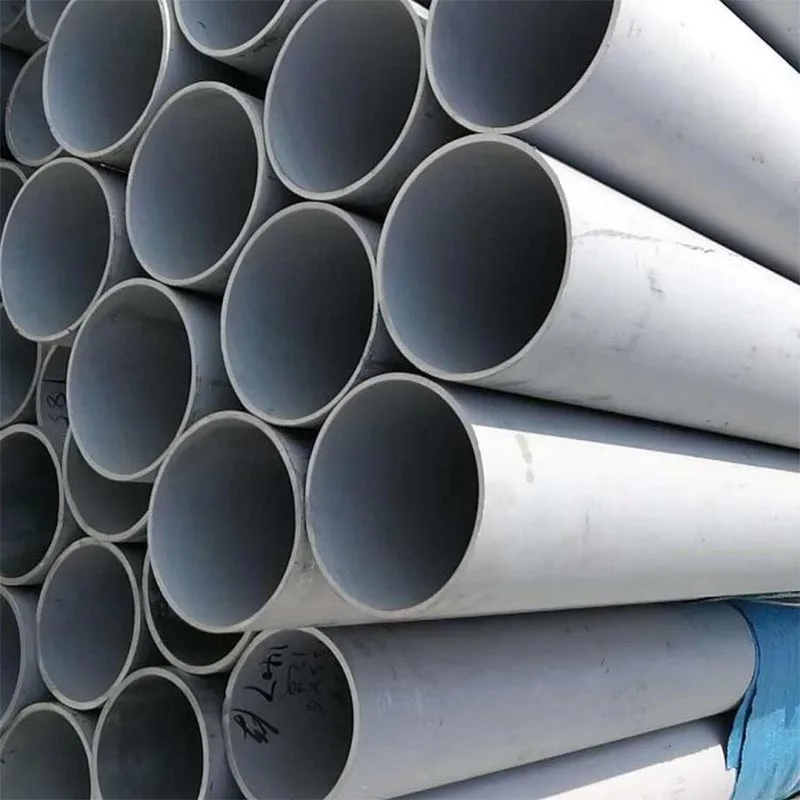
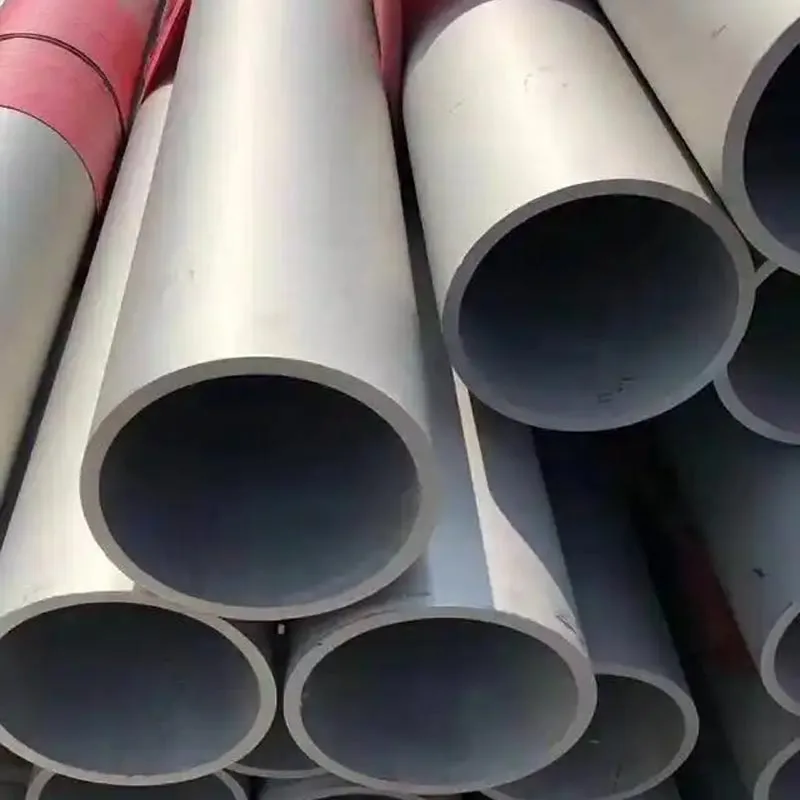
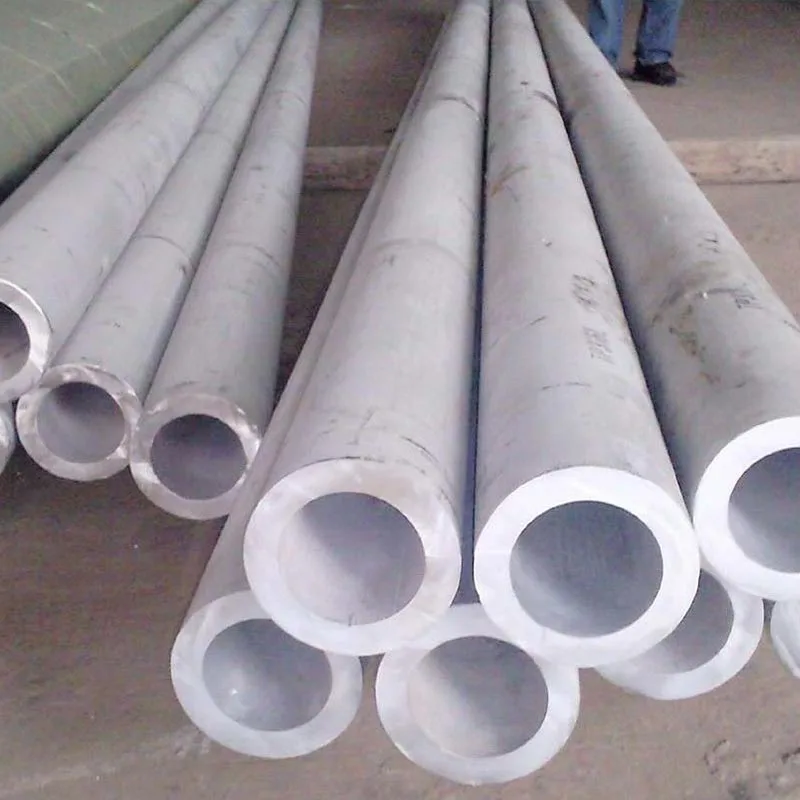
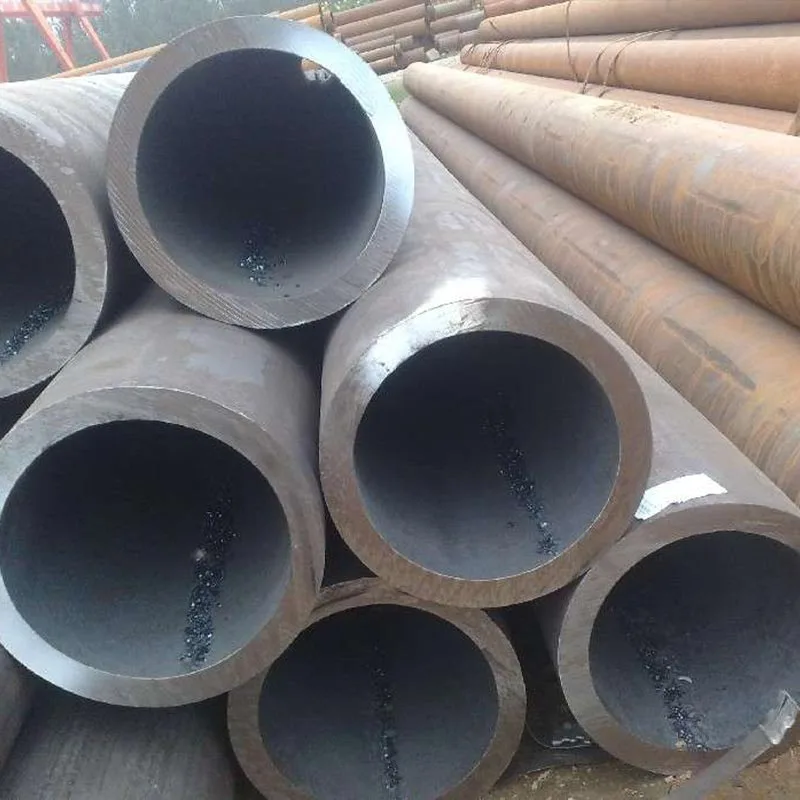
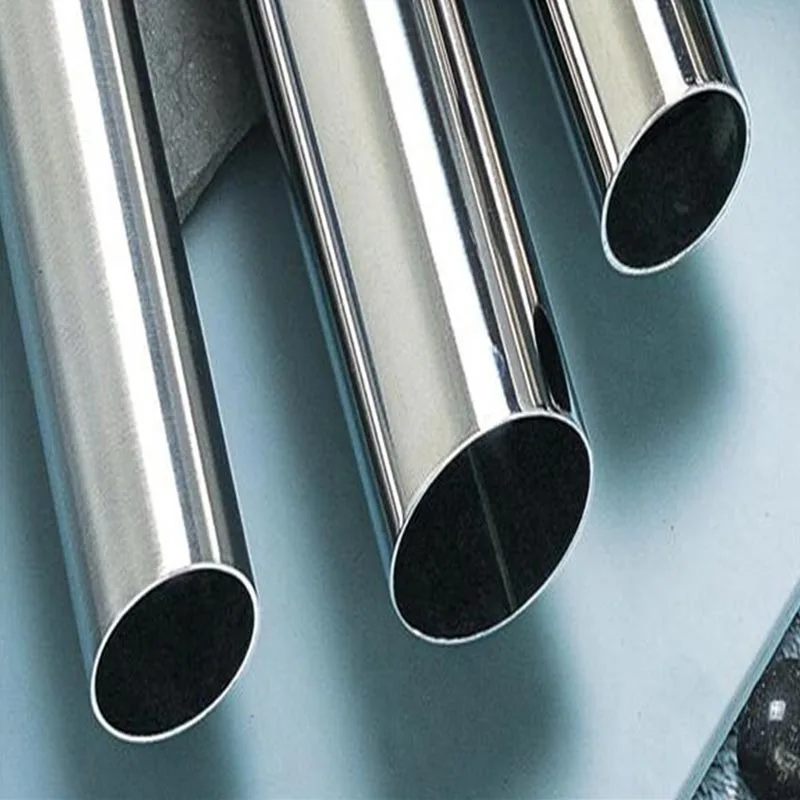
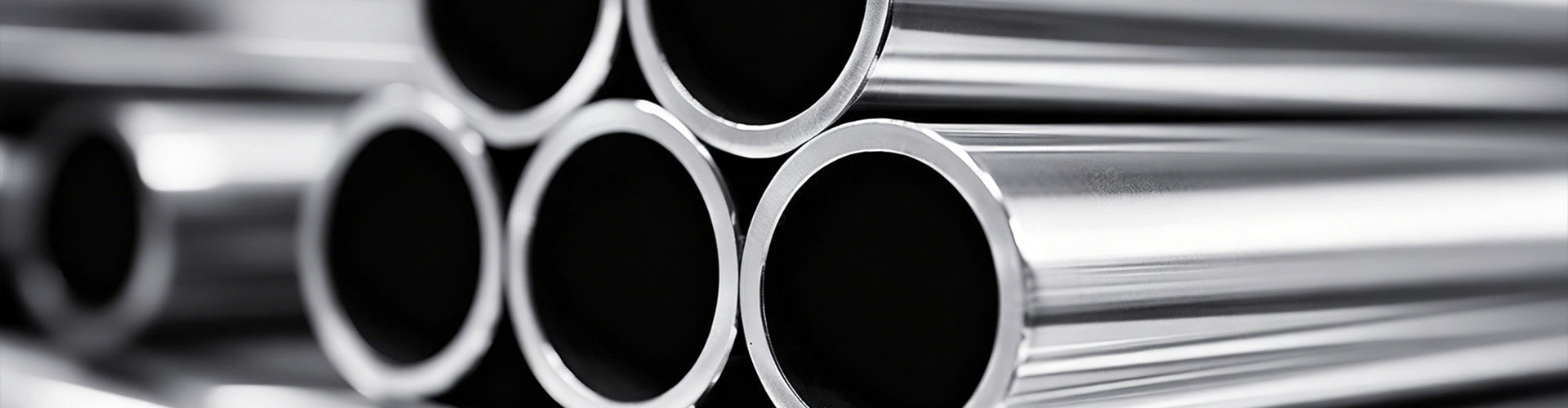
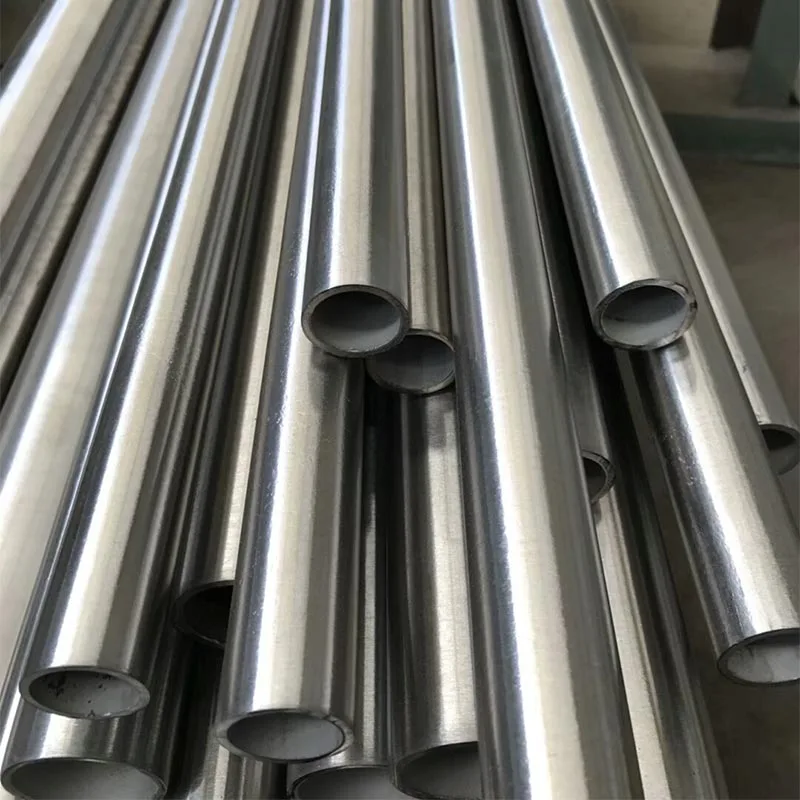
Semi-finished 316 Stainless Steel Tube
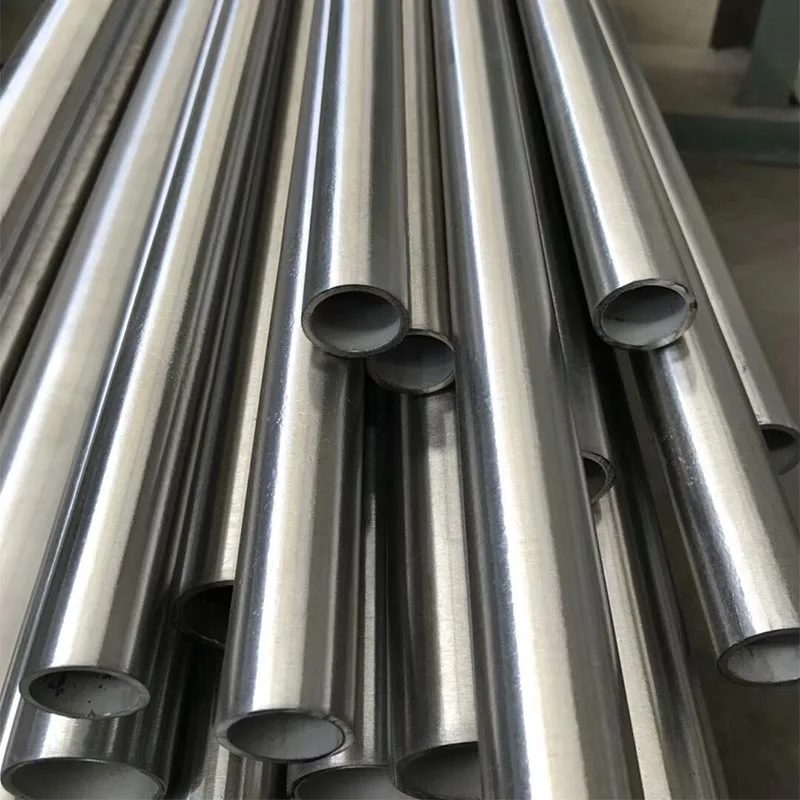
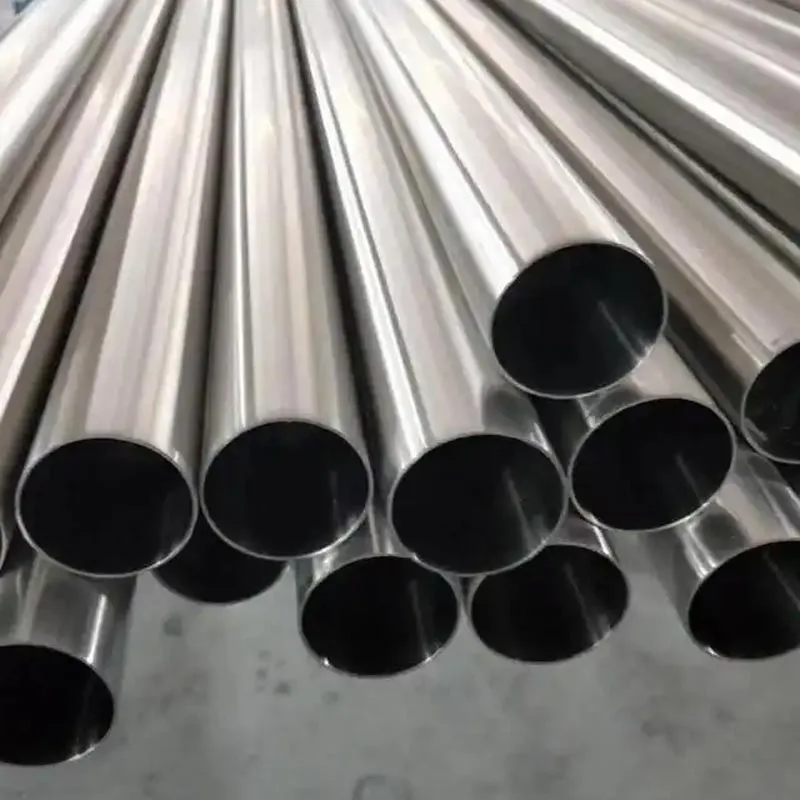
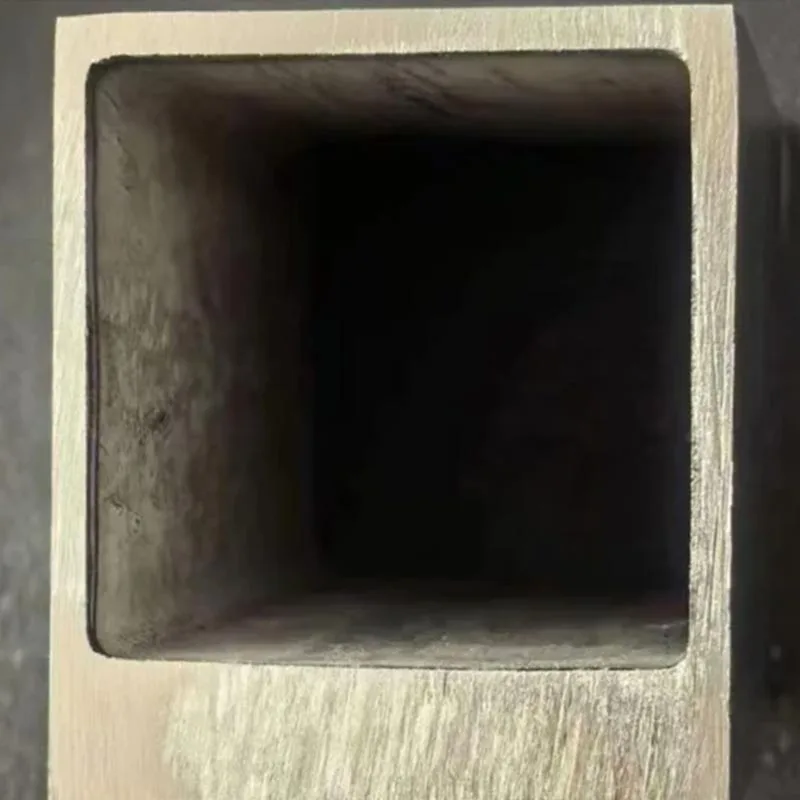
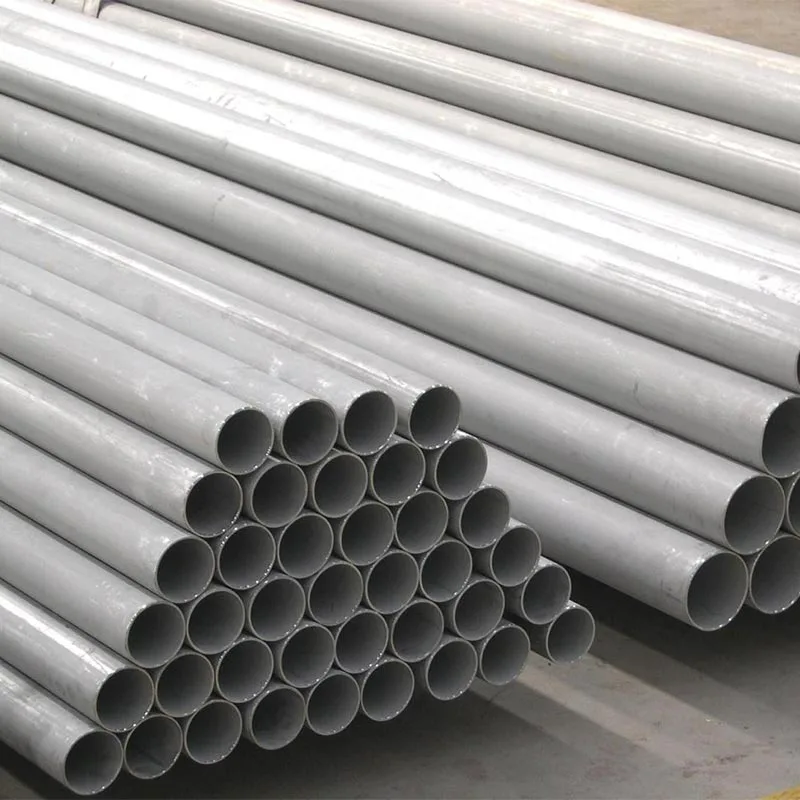
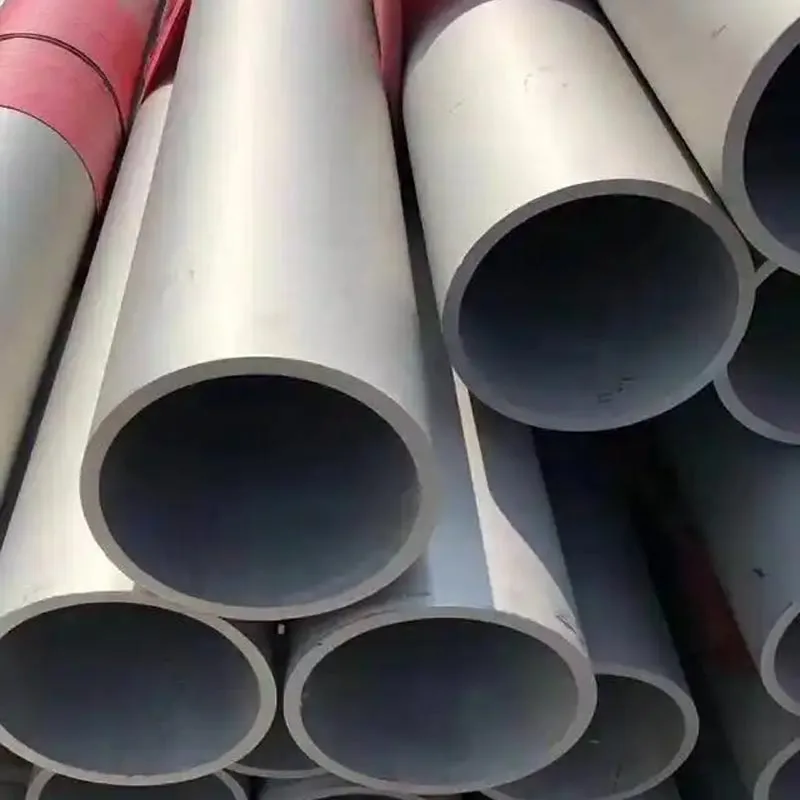
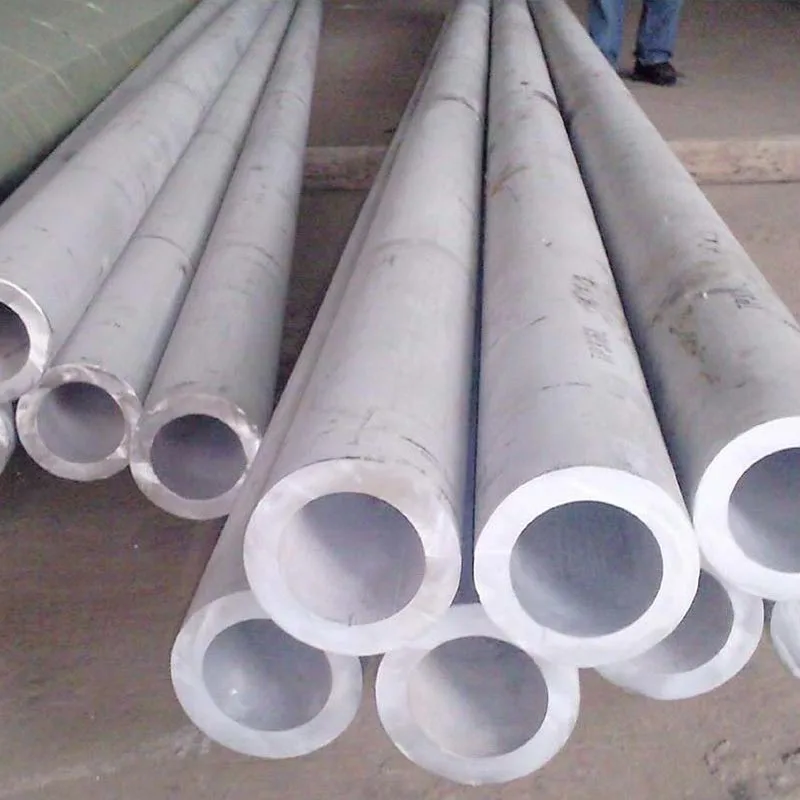
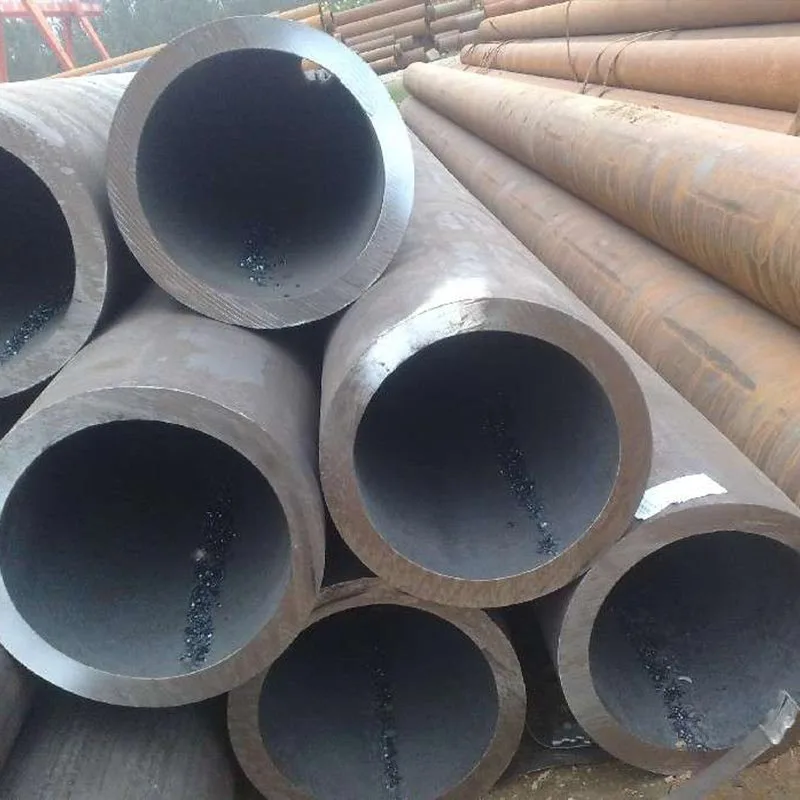
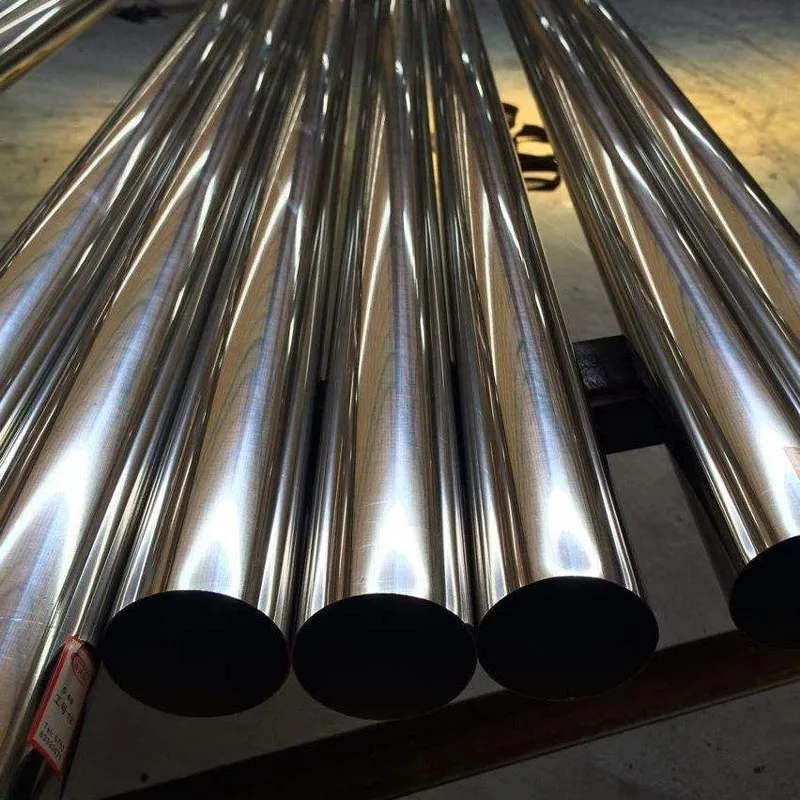
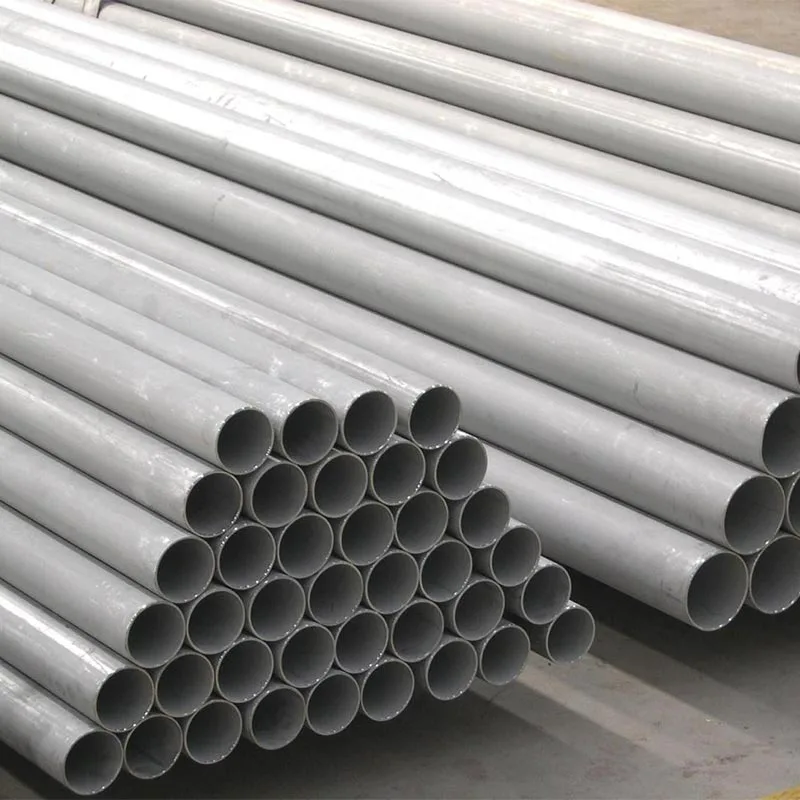
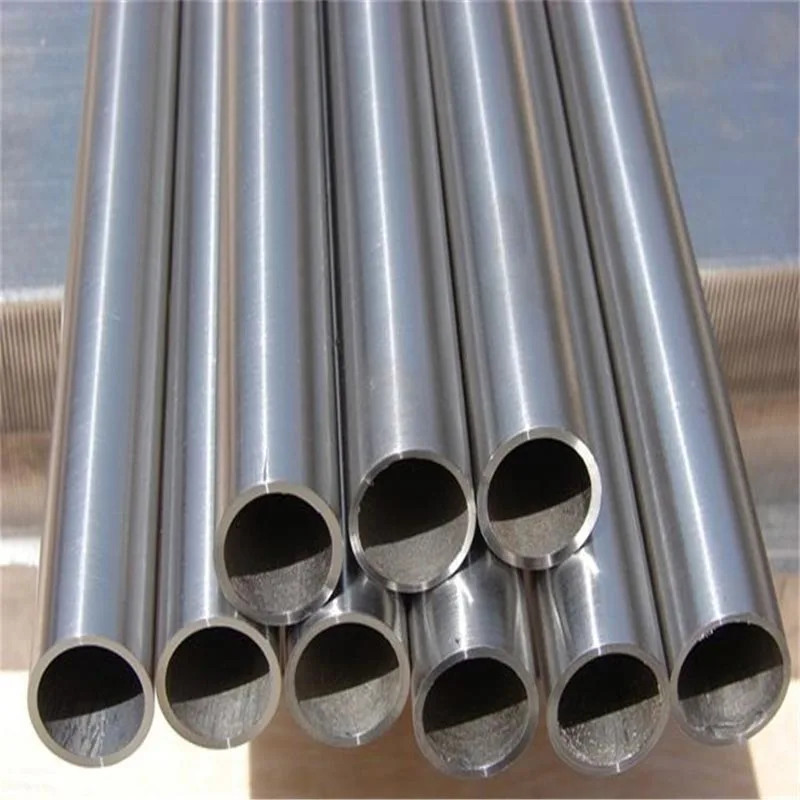
Jilaida, a professional stainless steel tube manufacturer in China, supplies Semi-finished 316 Stainless Steel Tube as a hot-extruded seamless tube blank for subsequent cold drawing, sizing, straightening, re-extrusion and machining. The product is intended as an intermediate material rather than a finished precision tube, so the starting OD, wall thickness, length, grade and downstream target dimensions should be confirmed before production.
JILAIDA is a China-based manufacturer and supplier of stainless steel seamless tube blanks. The Semi-finished 316 Stainless Steel Tube is produced through hot extrusion and supplied as an intermediate hollow billet for further cold drawing, cold rolling, sizing, straightening, re-extrusion or machining. It is not a finished precision tube with final dimensions. The standard stock specification is 89 mm outside diameter × 9 mm wall thickness, with lengths of 3,000–3,500 mm.
The starting tube dimensions need to match the requirements of the next manufacturing operation. For tube processors, this means considering the initial outside diameter, wall thickness, length and surface condition together with the target dimensions of the finished tube.
Why Choose 316 Stainless Steel for Tube Blanks?
316 stainless steel contains molybdenum, which improves its resistance to localized corrosion, particularly pitting and crevice corrosion, compared with 304 stainless steel in many chloride-containing environments. This makes 316 a suitable material option for downstream tube products intended for moist, chloride-containing or chemically demanding service conditions.
Material selection point: The corrosion performance of 316 stainless steel depends on chloride concentration, operating temperature, media composition, surface condition and final product design. The required grade should be checked against the actual service environment rather than selected by material designation alone.
316 vs. 316L: Material Grade Selection
316 and 316L belong to the same stainless steel alloy family, but their carbon limits differ. The choice between them should take account of the subsequent manufacturing process, particularly whether welding is involved.
| Selection Factor | 316 Stainless Steel | 316L Stainless Steel |
|---|---|---|
| Carbon Content | Higher carbon limit than 316L | Lower carbon limit |
| Corrosion Resistance | Molybdenum-containing grade with improved resistance to localized corrosion compared with 304 in many chloride environments | Similar basic corrosion-resistant alloy family, with lower carbon content |
| Subsequent Welding | Welding conditions and post-weld requirements need evaluation | Commonly preferred where subsequent welding is required because its lower carbon content reduces the risk of sensitization in the heat-affected zone |
| Mechanical Processing | Can be considered for cold drawing, sizing, flaring and other processing according to specification | Can also be considered for mechanical processing according to specification |
For products mainly undergoing cold drawing, cold rolling, sizing, flaring or swaging, either grade may be considered according to the applicable material standard and final product requirements. JILAIDA can review the downstream process before the material grade is confirmed. The 316L option is subject to order confirmation.
Hot Extrusion Production Process
JILAIDA uses billet piercing and hot extrusion to manufacture the seamless hollow tube. The main forming operation is carried out using a 2,000-ton forward extrusion press.
01. Billet Preparation and Heating
316 stainless steel round billets are prepared and heated to the temperature required for hot extrusion. The heating condition is controlled according to the material and extrusion requirements.
02. Piercing and Extrusion
The heated round billet is pierced and extruded through a die using a 2,000-ton forward extrusion press. This forms a hollow seamless tube that serves as the starting material for subsequent cold working or machining.
03. Pickling and Surface Treatment
Pickling removes the oxide scale formed during hot processing. The standard supplied surface is pickled. An as-extruded surface condition can also be discussed for orders that require the original hot-extruded finish.
04. Inspection and Material Documentation
The tube blanks are inspected according to confirmed order requirements. An EN 10204 3.1 Material Test Certificate can be supplied with chemical composition, mechanical information and heat details for the supplied material.
Product Specifications
| Parameter | Specification |
|---|---|
| Product Type | Semi-finished 316 Stainless Steel Tube |
| Material | 316 Stainless Steel |
| Optional Grade | 316L, subject to order confirmation |
| Forming Process | Hot Extrusion |
| Extrusion Equipment | 2,000-ton Forward Extrusion Press |
| Standard Outside Diameter | 89 mm |
| Standard Wall Thickness | 9 mm |
| Standard Length | 3,000–3,500 mm |
| Custom Outside Diameter | 6–89 mm, subject to drawing and production review |
| Custom Wall Thickness | 3–9 mm, subject to drawing and production review |
| Maximum Custom Length | Up to 10,000 mm, subject to production and transport conditions |
| Standard Surface Condition | Pickled |
| Optional Surface Condition | As-extruded, subject to order confirmation |
| Quality Documentation | EN 10204 3.1 MTC |
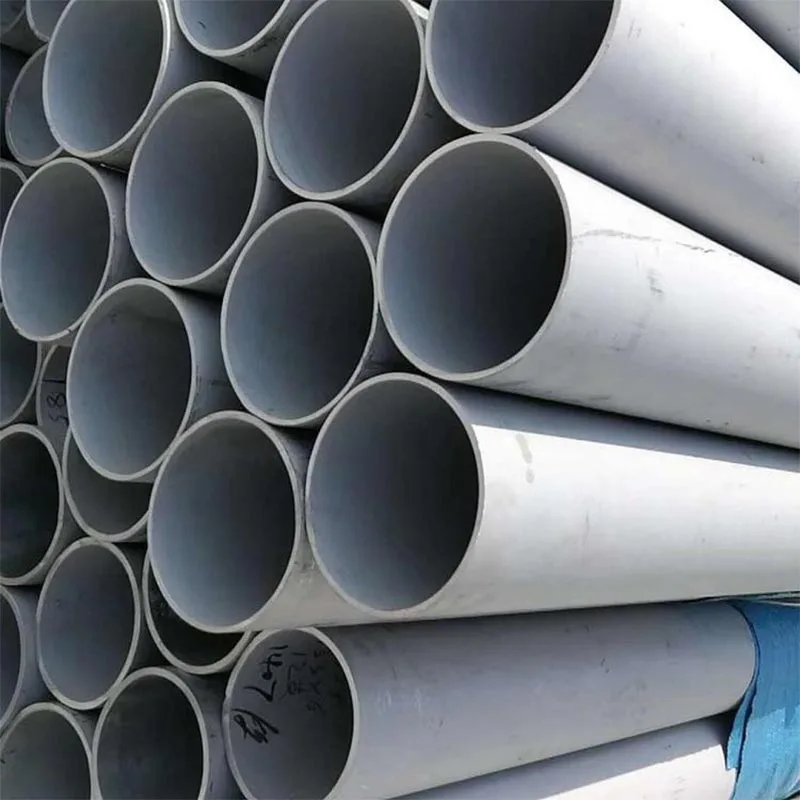
Suitable Downstream Processing
The Semi-finished 316 Stainless Steel Tube is intended for manufacturers that need to convert a hot-extruded hollow billet into a finished tube or machined component. The following processes can be considered according to the final dimensions and production requirements.
Cold Drawing
Reduces the outside diameter and wall thickness to produce precision tubing with controlled dimensions.
Cold Rolling
Further reduces tube dimensions for smaller-diameter and thin-wall precision tubing applications.
Sizing and Straightening
Additional processing stages can be used to bring the tube closer to the dimensional and straightness requirements of the finished product.
Re-extrusion
Further reduces the tube outside diameter through an additional extrusion operation.
Machining
Selected tube sections can be used as stock for fittings, sleeves and other machined tubular components.
Downstream Product Applications
After further drawing, rolling or machining, the material can be used as a starting blank for the following stainless steel products:
Precision Instrumentation Tubing
Used as intermediate material for manufacturing precision instrumentation tubes through cold drawing and sizing. The final tube dimensions and tolerances are determined by the finished product specification.
Hydraulic and Control Tubing
Suitable as starting stock for hydraulic and control tubing where 316 stainless steel is specified for the operating environment and the finished dimensions are achieved through subsequent processing.
Heat Exchanger Tubing
Can be further reduced and sized as starting material for thin-wall heat exchanger tubes, subject to the applicable dimensional, mechanical and service requirements.
Capillary and Precision Tubing
Multiple cold-working stages can be used to reduce the initial tube dimensions for smaller-diameter capillary and other precision tubing applications.
Fittings and Machined Components
Selected tube sections can serve as machining stock for fittings, sleeves and other tubular components when the material and starting dimensions are compatible with the component design.
Manufacturing and Quality Capabilities
JILAIDA coordinates extrusion, pickling and inspection within its production process. This allows the starting tube dimensions, surface condition and material documentation to be handled according to the confirmed order requirements.
- Extrusion Equipment: A 2,000-ton forward extrusion press for billet piercing and hot extrusion.
- 316 and 316L Grades: Both grades can be discussed for the same general tube-blank dimensions, subject to order confirmation and material requirements.
- Quality Management: Seamless tube extrusion production operates under an ISO 9001-certified quality management system, with a dedicated inspection department.
- Material Traceability: EN 10204 3.1 material certificates can be supplied with relevant chemical, mechanical and heat information.
- Drawing-Based Customization: Custom outside diameter, wall thickness and length can be reviewed from customer drawings or detailed specifications.
How to Prepare an RFQ
When purchasing a semi-finished tube blank, the starting dimensions should be considered together with the target dimensions of the finished tube. For a Semi-finished 316 Stainless Steel Tube order, provide the following information:
Starting Dimensions
Specify the initial outside diameter and wall thickness required for the next processing stage, if already determined.
Finished Tube Dimensions
Provide the target OD and wall thickness after drawing, rolling or sizing. These details help evaluate the starting blank specification.
Material Grade
Confirm whether 316 or 316L is required according to the downstream process and final application.
Length and Surface
Specify the required tube length and whether pickled or as-extruded surface condition is preferred.
Quantity and Destination
State the required order quantity and destination port or delivery location.
Technical Documents
Include any applicable material standards, inspection requirements or finished product drawings.
If the final tube drawing is available, sending it directly allows JILAIDA to review the required starting dimensions against the intended processing route. This makes technical specification confirmation more efficient.
Frequently Asked Questions
What is a semi-finished 316 stainless steel tube?
It is a hot-extruded seamless hollow tube billet supplied for further cold drawing, cold rolling, sizing, straightening, re-extrusion or machining. It is an intermediate product rather than a finished precision tube.
What is the standard stock size?
The standard specification is 89 mm outside diameter × 9 mm wall thickness, with a length of 3,000–3,500 mm. Other dimensions can be reviewed according to customer drawings and production requirements.
Why choose 316 instead of 304 stainless steel?
316 contains molybdenum, which improves resistance to pitting and crevice corrosion compared with 304 in many chloride-containing environments. The final grade should be selected according to the actual operating conditions.
What is the difference between 316 and 316L?
316L has a lower carbon limit than 316 and is commonly preferred when subsequent welding is required because it reduces the risk of sensitization in the heat-affected zone.
Is the tube produced by welding or extrusion?
It is produced by billet piercing and hot extrusion. The hollow tube is formed without a longitudinal welding operation.
Can the starting tube dimensions be customized?
Yes. Custom outside diameters of 6–89 mm, wall thicknesses of 3–9 mm and lengths up to 10,000 mm can be reviewed according to drawings and production conditions.
What surface condition is available?
The standard surface condition is pickled. An as-extruded surface can also be discussed when specified during the inquiry.
Can JILAIDA provide an EN 10204 3.1 material certificate?
Yes. An EN 10204 3.1 MTC can be supplied with the order, including relevant chemical composition, mechanical information and heat details for the supplied material.
Need 316 Stainless Steel Tube Blanks for Further Processing?
Send your drawings, target dimensions and processing requirements to JILAIDA for technical review and a quotation.
Send Inquiry
Send Inquiry
Contact Info
-
Address
No. 521 Zhonghui Road, Huishan District, Wuxi City, Jiangsu Province, China
-
Tel
-
Email
Request a quotation from JILAIDA, a professional stainless steel and nickel based alloy seamless pipes and nickel based alloy forged round bar manufacturer in China. Get factory price, customized solutions and reliable supply.
Related Products
News Recommendations