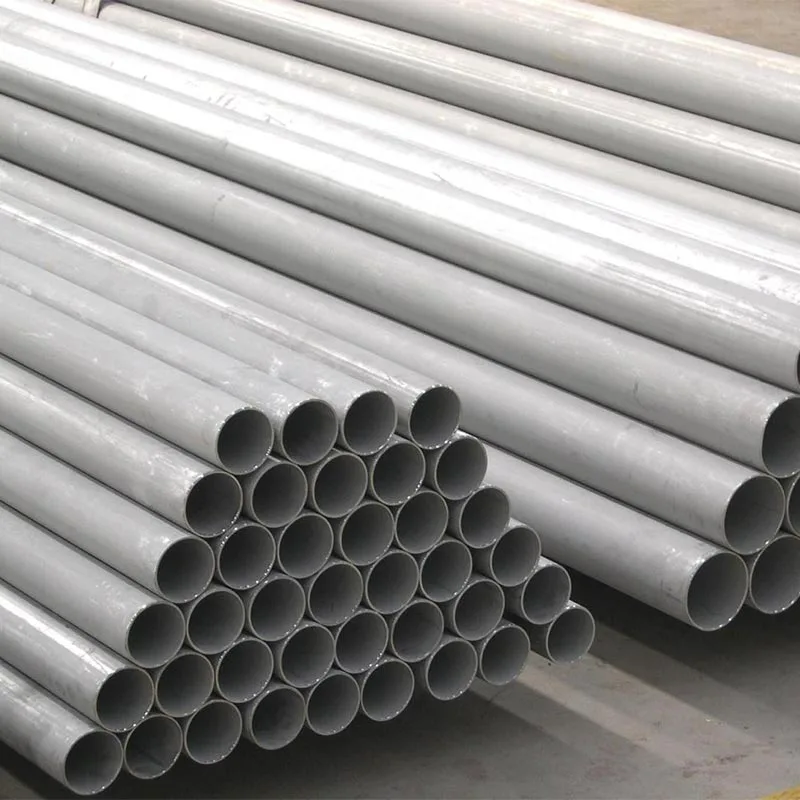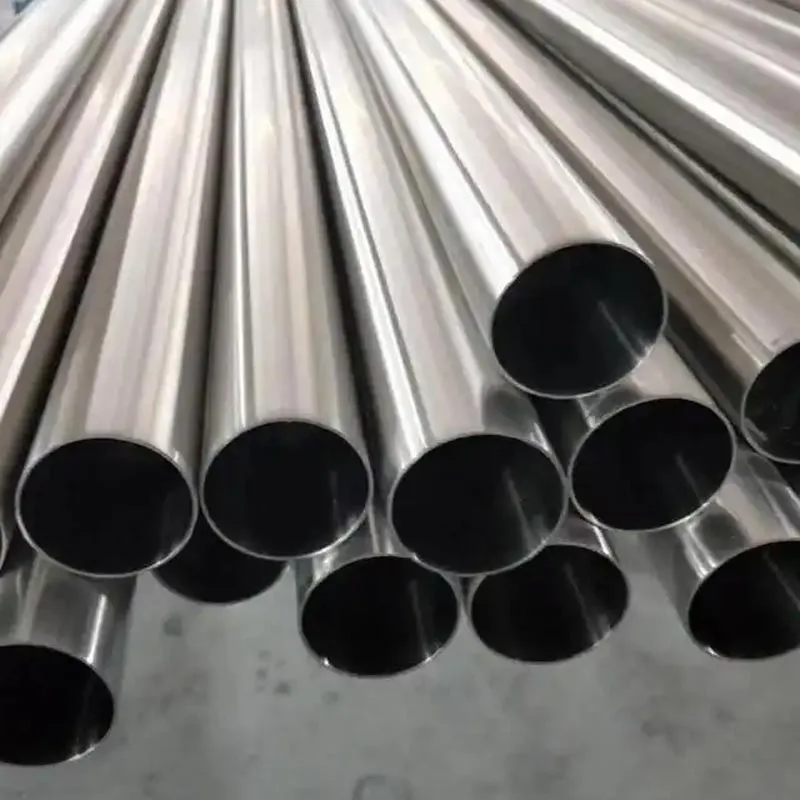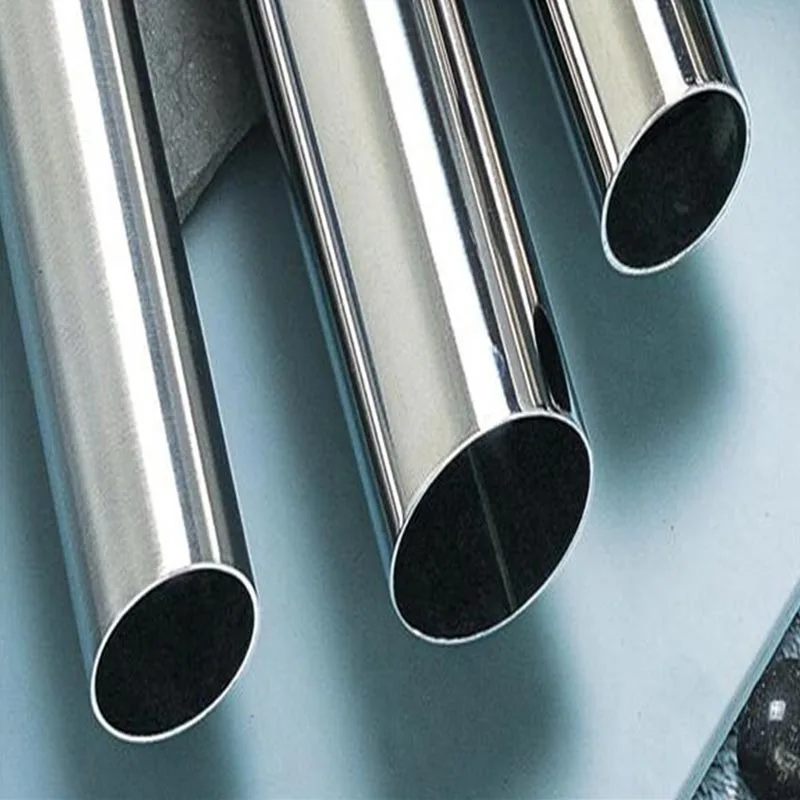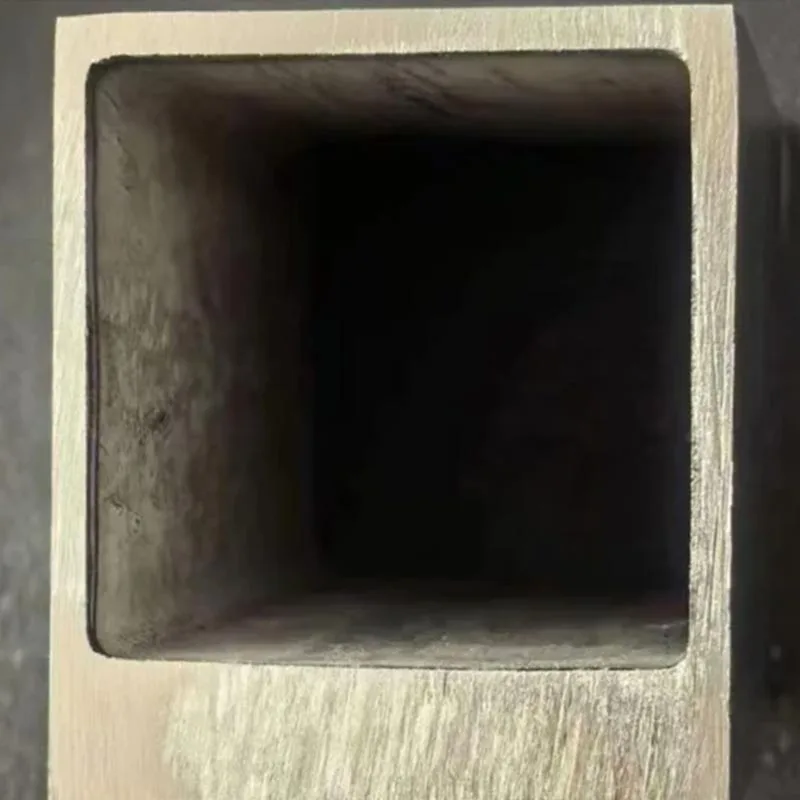

Selecting the right stainless steel square extruded pipe involves more than comparing dimensions and prices. Material grade, extrusion quality, dimensional accuracy, corrosion resistance, surface finish, mechanical properties, and manufacturing consistency all influence the final product's performance. This guide explains how square extruded stainless steel pipes are manufactured, what distinguishes them from other tubular products, how to choose the right specifications, and which quality factors buyers should evaluate before placing an order. Whether you are sourcing components for industrial equipment, architectural structures, machinery, or custom fabrication projects, understanding these factors can help reduce material waste, avoid compatibility problems, and achieve more reliable long-term results.
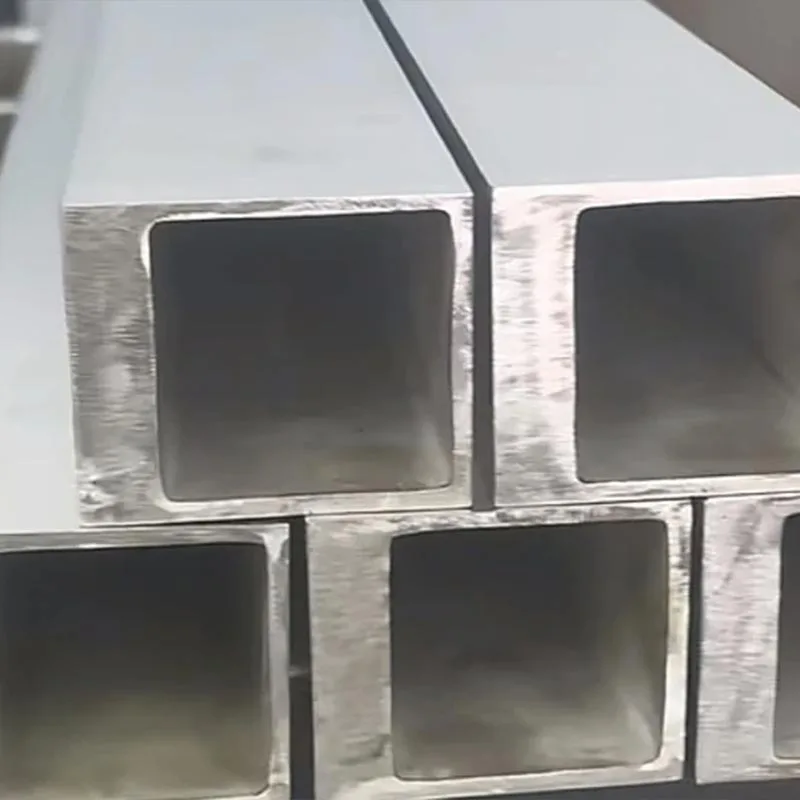
1. Understanding Stainless Steel Square Extruded Pipe
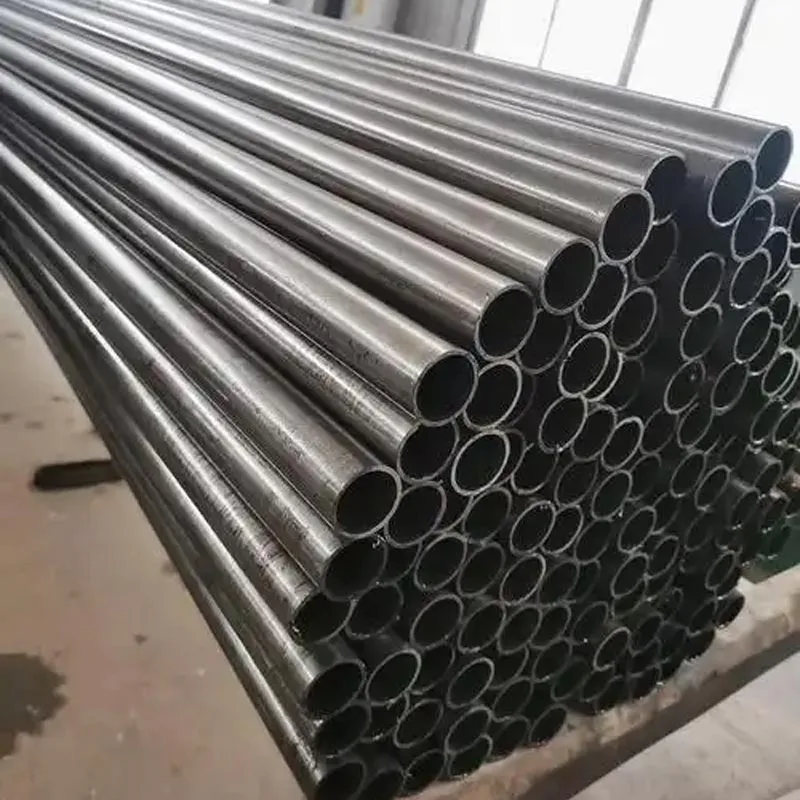
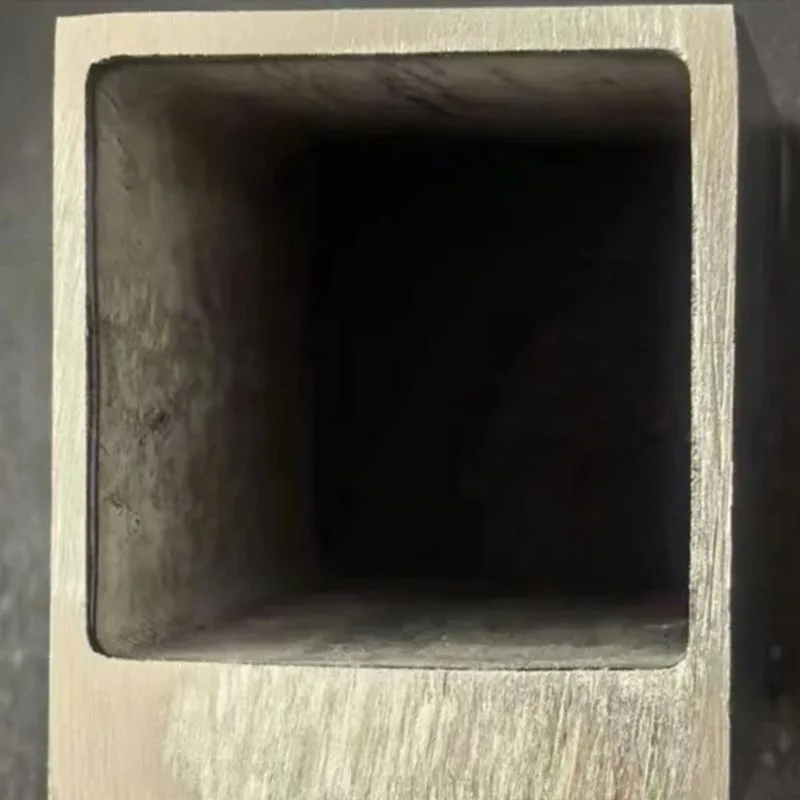
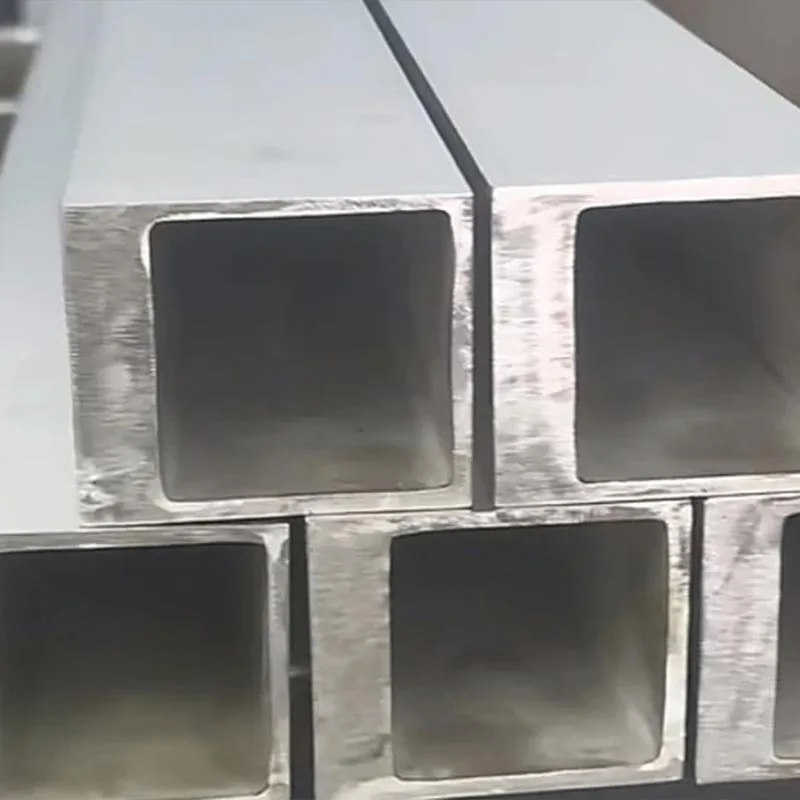
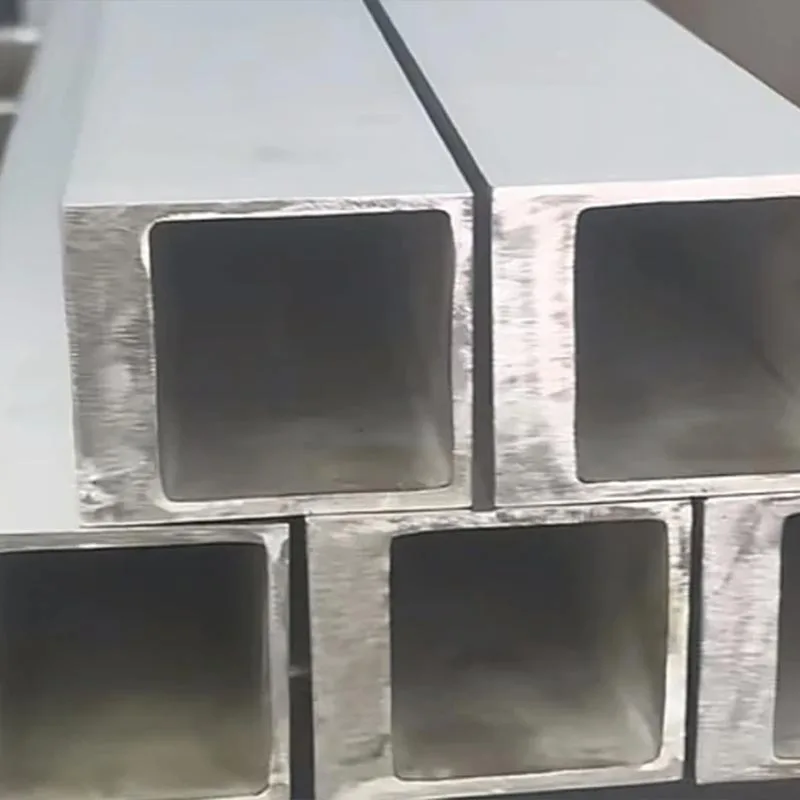
A stainless steel square extruded pipe is a hollow metal product featuring a square cross-section, manufactured through an extrusion process or other suitable forming techniques depending on the product specification. Unlike conventional round pipes, its four-sided geometry provides flat surfaces and defined corners, making it particularly useful in applications that require structural stability, precise assembly, or a distinctive appearance.
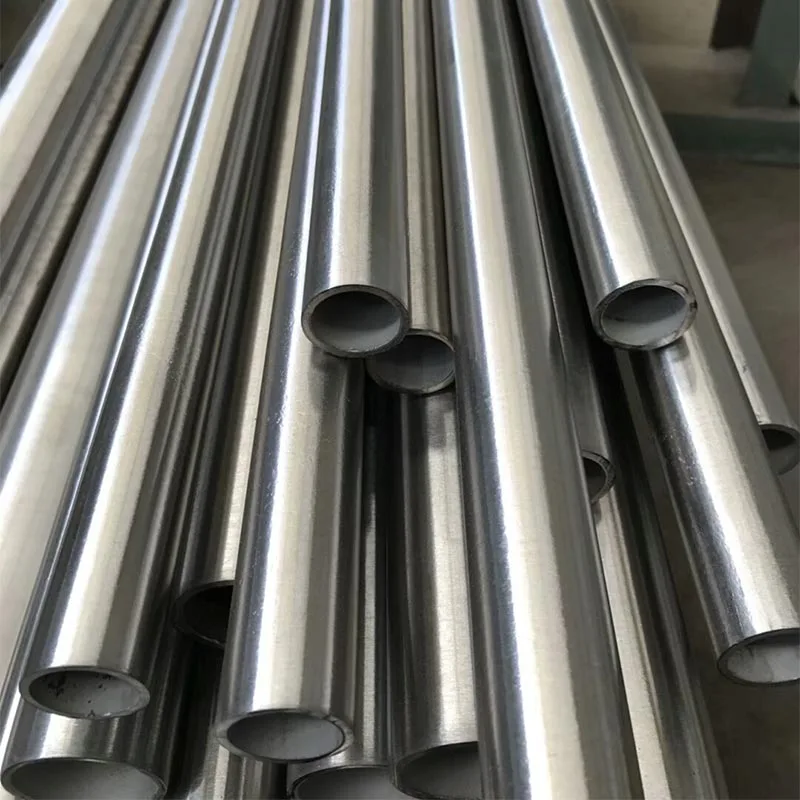
Stainless steel is widely selected for its combination of corrosion resistance, mechanical strength, durability, and relatively low maintenance requirements. When these material properties are combined with a square profile, manufacturers can produce components suitable for structural frameworks, industrial equipment, architectural installations, and specialized engineering projects.
However, not every square stainless steel tube is manufactured in the same way. Differences in forming processes, material composition, wall thickness, and finishing methods can significantly affect performance. Buyers should therefore distinguish between extruded hollow profiles, welded square tubes, and other formed products before specifying their requirements.
2. How Are Square Extruded Pipes Manufactured?
The manufacturing process has a direct influence on dimensional consistency, surface quality, mechanical properties, and the suitability of a stainless steel square profile for its intended application.
Step 1: Raw Material Selection
Production begins with selecting stainless steel raw materials according to the required grade, chemical composition, and mechanical properties. Common considerations include chromium and nickel content, carbon levels, and resistance to the expected service environment.
Step 2: Heating and Extrusion
In an extrusion process, the prepared metal billet is heated to an appropriate processing temperature and forced through a specially designed die. The die determines the cross-sectional geometry of the product. For hollow profiles, the tooling arrangement must also create the required internal opening.
Process control is essential. Improper temperature, extrusion speed, or tooling conditions can contribute to surface defects, dimensional variation, and inconsistent material properties.
Step 3: Cooling and Straightening
After forming, the product undergoes controlled cooling and subsequent straightening when necessary. These operations help achieve the required shape and dimensional stability.
Step 4: Cutting and Surface Finishing
The profiles are cut to specified lengths and may undergo additional finishing processes, including polishing, grinding, pickling, or other surface treatments depending on the required application.
Step 5: Inspection and Packaging
Finished products are inspected for dimensions, surface condition, straightness, and other agreed quality requirements. Suitable packaging helps protect the profiles from scratches, contamination, and handling damage during transportation.
A reliable production process should include documented inspection procedures rather than relying solely on visual checks at the end of manufacturing.
3. Key Advantages of Square Extruded Stainless Steel Pipes
Square stainless steel profiles offer several practical advantages, although their suitability depends on the material grade, geometry, manufacturing quality, and operating conditions.
3.1 Corrosion Resistance
Stainless steel contains chromium, which forms a passive surface layer that helps protect the material against corrosion. Different grades provide different levels of resistance. Selecting the correct grade is particularly important in humid, coastal, chemical, and outdoor environments.
3.2 Structural Efficiency
The square cross-section provides flat sides that can simplify positioning, alignment, and connection with other components. Hollow square sections can offer a useful balance between structural performance and material consumption.
3.3 Convenient Fabrication
Flat surfaces make square profiles practical for cutting, drilling, joining, and assembly. They can be incorporated into frames, support structures, equipment housings, and custom fabricated products.
3.4 Attractive Appearance
Stainless steel offers a clean metallic appearance that suits modern architectural and decorative designs. Different finishing options can provide brushed, polished, or other specified surface effects.
3.5 Long-Term Durability
When properly selected and maintained, stainless steel profiles can provide long service life. Their resistance to many common environmental conditions can reduce the frequency of replacement and maintenance.
4. How to Choose the Right Stainless Steel Grade
Material selection is one of the most important decisions when purchasing stainless steel square extruded pipe. Choosing a grade based only on its initial price can lead to unnecessary costs if the product does not perform well in its actual operating environment.
The following grades are frequently encountered in stainless steel product sourcing:
| Stainless Steel Grade | Main Characteristics | Typical Applications |
|---|---|---|
| 304 / 304L | Good general corrosion resistance, formability, and weldability | General industrial equipment, architectural components, and equipment frames |
| 316 / 316L | Improved resistance to chloride-related corrosion due to molybdenum content | Marine-related equipment, chemical facilities, and demanding outdoor environments |
| 201 | Manganese-containing austenitic grade with different corrosion performance from 304 | Selected decorative and general-purpose applications in suitable environments |
| 430 | Ferritic stainless steel with magnetic properties and moderate corrosion resistance | Indoor equipment, decorative components, and selected appliance applications |
| 2205 Duplex | High strength and enhanced resistance to various corrosion mechanisms | Specialized industrial and chemical processing applications |
These grades are not interchangeable. For example, 304 stainless steel may be sufficient for many general indoor applications, while 316L may be more appropriate where chloride exposure is a significant concern.
Buyers should evaluate the following factors before confirming the grade:
- Operating environment: Consider humidity, temperature, salt exposure, and chemical contact.
- Mechanical requirements: Determine the necessary strength, hardness, and load-bearing capacity.
- Fabrication requirements: Check whether the material needs welding, machining, bending, or polishing.
- Service life: Evaluate expected operating conditions and maintenance frequency.
- Budget: Compare total lifecycle costs rather than focusing exclusively on the initial purchase price.
5. Dimensions, Wall Thickness, and Tolerances
Even when two stainless steel square pipes use the same material grade, differences in dimensions and tolerances can make them unsuitable for the same project.
5.1 Outer Dimensions
Square profiles are generally specified by their external width and height. Common descriptions include 20 × 20 mm, 30 × 30 mm, 40 × 40 mm, and larger custom dimensions. These are illustrative sizes, not a guarantee that every size is available in every grade or manufacturing process.
5.2 Wall Thickness
Wall thickness affects the weight, stiffness, strength, and fabrication characteristics of the pipe. A thicker wall may be required for demanding structural applications, while lighter sections may be more suitable for decorative or non-load-bearing components.
5.3 Length Requirements
Standard commercial lengths may not always match a project's requirements. Custom cutting can reduce on-site processing and material waste, but buyers should confirm cutting tolerances and the supplier's available length range.
5.4 Dimensional Tolerances
Dimensional tolerances determine how much variation is acceptable in the finished product. For precision assemblies, even relatively small deviations in outer dimensions, wall thickness, squareness, or straightness may affect installation.
- Outer dimensions: width × height
- Nominal wall thickness
- Required product length
- Dimensional and thickness tolerances
- Corner radius and squareness requirements
- Surface finish and appearance
- Applicable inspection and testing requirements
Providing a technical drawing is often the most effective way to prevent misunderstandings when sourcing customized square stainless steel profiles.
6. Common Industrial and Commercial Applications
The combination of stainless steel properties and square-profile geometry makes these products useful across a variety of industries.
Construction and Architectural Projects
Square stainless steel pipes are used in handrails, support frameworks, partitions, decorative structures, and selected building components. Their clean appearance and corrosion resistance make them suitable for many indoor and outdoor architectural designs when the correct grade is selected.
Industrial Equipment and Machinery
Manufacturers may use square profiles in machine frames, protective structures, equipment supports, and assembly systems. Consistent dimensions can simplify fabrication and improve component alignment.
Food Processing and Pharmaceutical Facilities
Stainless steel is widely used in hygienic environments because it can be cleaned effectively when the appropriate material grade and surface finish are specified. The actual suitability of a square pipe depends on sanitation requirements, surface quality, weld design, and the applicable industry regulations.
Transportation and Marine Equipment
Selected stainless steel square profiles are used in vehicle components, marine-related structures, and equipment exposed to demanding environments. Grade selection is especially important where saltwater or chemical exposure is expected.
Custom Fabrication and Furniture
Square stainless steel tubes are frequently incorporated into furniture frames, display systems, commercial fixtures, and custom metalwork. Their flat sides make them convenient for joining with plates and other structural components.
For every application, the final design should consider load conditions, connection details, corrosion exposure, and applicable engineering requirements.
7. Extruded Pipe vs. Welded Square Tube: Key Differences
One common purchasing challenge is determining whether an extruded hollow profile or a welded square tube is more appropriate. Both can provide square cross-sections, but their manufacturing processes and resulting characteristics differ.
| Comparison Factor | Extruded Square Profile | Welded Square Tube |
|---|---|---|
| Manufacturing method | Metal is forced through a shaped extrusion die | Formed strip or sheet is shaped and joined through welding |
| Weld seam | No longitudinal weld seam from tube fabrication | Normally contains a longitudinal weld seam |
| Cross-section | Determined by extrusion tooling | Determined by forming rolls and welding process |
| Production considerations | Depends on extrusion equipment, tooling, and material processability | Depends on strip availability, forming equipment, and weld quality |
| Typical selection factors | Profile geometry, material condition, and process suitability | Weld integrity, dimensional consistency, and production efficiency |
Neither process is automatically superior in every situation. Welded tubes can be a practical and economical solution for many standard applications. Extruded profiles may be advantageous when their manufacturing characteristics align with particular design requirements.
Buyers should compare actual product specifications, test results, manufacturing capabilities, and total costs rather than making a decision based solely on the product name.
8. Quality Inspection and Standards to Consider
Product quality should be evaluated through measurable requirements and documented inspection procedures. A professional supplier should be able to explain how its products are checked and which specifications apply to the order.
8.1 Chemical Composition Verification
Material composition can be verified through appropriate chemical analysis. Depending on the order and inspection requirements, buyers may request a material test certificate, such as an EN 10204 3.1 certificate where applicable.
8.2 Mechanical Property Testing
Mechanical tests may include tensile strength, yield strength, elongation, and hardness measurements. The required values depend on the selected material grade, product form, and applicable specification.
8.3 Dimensional Inspection
Measurements should cover outer dimensions, wall thickness, length, straightness, and squareness. The inspection method and sampling frequency should be agreed upon before production.
8.4 Surface Inspection
Visual examination helps identify scratches, dents, cracks, pits, and other visible imperfections. For applications requiring a specific finish, buyers should define acceptable surface conditions in advance.
8.5 Relevant Standards
Depending on the material, manufacturing method, and destination market, buyers may need to consider specifications such as:
- ASTM A554: A specification associated with welded stainless steel mechanical tubing.
- ASTM A312: A specification covering seamless, welded, and heavily cold-worked austenitic stainless steel pipes for specified service conditions.
- EN 10204: A standard concerning types of inspection documents for metallic products.
- ASTM A240: A specification covering chromium and chromium-nickel stainless steel plate, sheet, and strip for pressure vessels and general applications.
These standards have different scopes. They should not be treated as universally interchangeable requirements for every stainless steel square extruded pipe. Always confirm that the selected standard actually covers the product form and intended application.
9. How to Select a Reliable Stainless Steel Square Pipe Supplier
Choosing a supplier involves more than finding a competitive quotation. The supplier's technical understanding, manufacturing capabilities, quality control, and communication practices all influence the success of a procurement project.
Evaluate Manufacturing Capabilities
Ask whether the supplier manufactures the product directly or sources it from another producer. Confirm available material grades, dimensions, production methods, finishing options, and customization capabilities.
Request Technical Documentation
Relevant documents may include material certificates, inspection reports, dimensional records, and product specifications. For projects with strict requirements, clarify documentation before ordering.
Check Sample Quality
When practical, request samples before committing to a large order. Inspect the dimensions, surface finish, material identification, and suitability for your fabrication process.
Discuss Production and Delivery Schedules
Lead times can vary depending on raw material availability, tooling, customization, order quantity, and inspection requirements. Confirm production milestones and packaging arrangements to avoid unexpected delays.
Compare the Complete Quotation
A useful quotation should clearly identify the product specifications, material grade, quantity, unit price, surface treatment, tolerances, packaging, and delivery terms.
- Which manufacturing process is used for this square hollow profile?
- Can you provide documentation confirming the stainless steel grade?
- What dimensional tolerances can you guarantee?
- Can you produce customized sizes and lengths?
- What inspection procedures are performed before shipment?
- How do you handle nonconforming products or quality disputes?
10. Common Purchasing Mistakes to Avoid
Even experienced buyers can encounter problems when technical requirements are not communicated clearly. The following mistakes are worth avoiding.
Choosing Material Based Only on Price
A lower-priced grade may not provide sufficient corrosion resistance or mechanical performance. Always match the material to the actual operating environment.
Ignoring Wall Thickness Tolerances
Nominal wall thickness alone does not describe the complete product specification. Confirm the acceptable tolerance range, especially for precision applications.
Assuming All Square Pipes Are Extruded
Products with similar appearances may be manufactured through different processes. Verify the production method if it is important to your application.
Overlooking Surface Requirements
Surface finish affects appearance, cleaning, and sometimes the performance of the finished assembly. Specify the required finish and acceptable defect limits.
Failing to Confirm Documentation
Missing or incomplete material certificates and inspection records can create problems during project acceptance. Agree on documentation requirements before production begins.
Not Considering Transportation and Packaging
Long stainless steel profiles can be vulnerable to scratches, bending, and handling damage. Packaging should be suitable for the dimensions, transportation method, and destination.
11. Frequently Asked Questions
Q1: What is a stainless steel square extruded pipe?
A stainless steel square extruded pipe is a hollow stainless steel profile with a square cross-section produced through an extrusion process. Its geometry and material properties make it suitable for selected structural, industrial, architectural, and fabrication applications.
Q2: Is stainless steel square pipe stronger than round pipe?
Not necessarily. Strength depends on material grade, dimensions, wall thickness, loading direction, and structural design. Square and round profiles distribute loads differently, so their performance should be evaluated according to the actual application.
Q3: Which stainless steel grade is best for outdoor applications?
304 stainless steel can be suitable for many general outdoor environments. For coastal locations or environments with significant chloride exposure, 316 or 316L may offer better corrosion resistance. The final selection should consider actual exposure conditions and maintenance requirements.
Q4: Can stainless steel square extruded pipes be customized?
Customization may be available depending on the manufacturer's equipment and production capabilities. Buyers should provide the required dimensions, wall thickness, length, grade, tolerances, and surface finish to determine feasibility.
Q5: What is the difference between an extruded pipe and a welded square tube?
An extruded profile is formed by forcing metal through a die, while a welded square tube is generally produced by forming stainless steel strip or sheet and joining the seam through welding. Their structural characteristics and manufacturing considerations differ.
Q6: How can buyers verify stainless steel material quality?
Buyers can request material test certificates, review chemical composition and mechanical test results, and conduct appropriate third-party inspections when necessary. Material identification and traceability procedures can also help confirm product consistency.
Q7: What information should be included in an inquiry?
A complete inquiry should include the material grade, square dimensions, wall thickness, required length, quantity, surface finish, dimensional tolerances, applicable standards, and delivery destination. Technical drawings are particularly helpful for customized products.
Q8: Does stainless steel square pipe require maintenance?
Yes. Although stainless steel generally requires less maintenance than many conventional metals, it should still be cleaned and inspected according to its service environment. Removing accumulated contaminants and avoiding unsuitable cleaning chemicals can help preserve its surface condition.
Q9: Can square stainless steel pipes be welded and machined?
Many stainless steel grades can be welded and machined using suitable processes and tools. However, procedures should be selected according to the material grade, wall thickness, product condition, and required finished quality.
Q10: What determines the price of a stainless steel square extruded pipe?
Pricing is influenced by the stainless steel grade, raw material market conditions, dimensions, wall thickness, production process, order quantity, finishing requirements, inspection requirements, and transportation costs. Comparing quotations with identical specifications provides a more meaningful cost evaluation.
12. Final Considerations: Making a More Informed Purchasing Decision
Selecting the right stainless steel square extruded pipe requires a balanced evaluation of material properties, manufacturing methods, dimensional accuracy, surface quality, and application requirements. A product that looks suitable at first glance may not deliver the expected performance if its material grade, tolerances, or production process do not match the project's technical needs.
For industrial buyers, engineers, distributors, and fabrication companies, the best approach is to establish clear technical specifications before requesting quotations. Confirm the manufacturing method, review material documentation, evaluate inspection procedures, and communicate customization requirements in detail.
Working with an experienced stainless steel manufacturer or supplier can also help reduce sourcing risks and improve consistency across repeat orders.
Looking for a Reliable Stainless Steel Material Partner?
Jiangsu Jilaida Nickel based Alloy Co., Ltd. focuses on nickel-based alloys and related metal material solutions. If you are sourcing stainless steel products or exploring customized metal material requirements, discussing your technical specifications with a qualified supplier is an important first step.
Whether your project requires specific material grades, dimensional requirements, or professional product consultation, clear communication can help identify a suitable solution for your application.
Have a project in mind? Contact us today to discuss your material requirements and explore potential cooperation opportunities.