Products
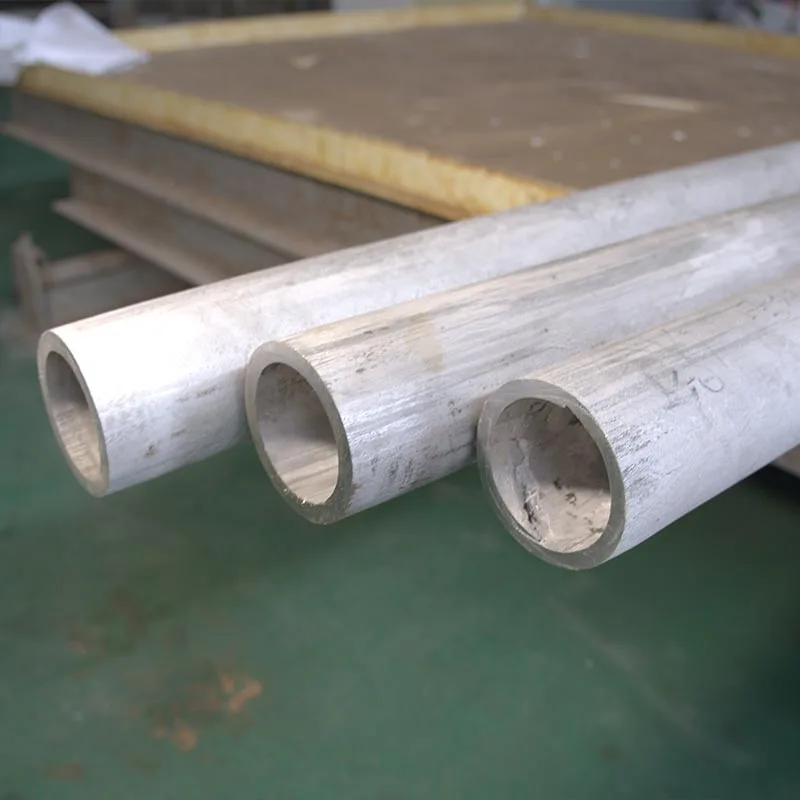
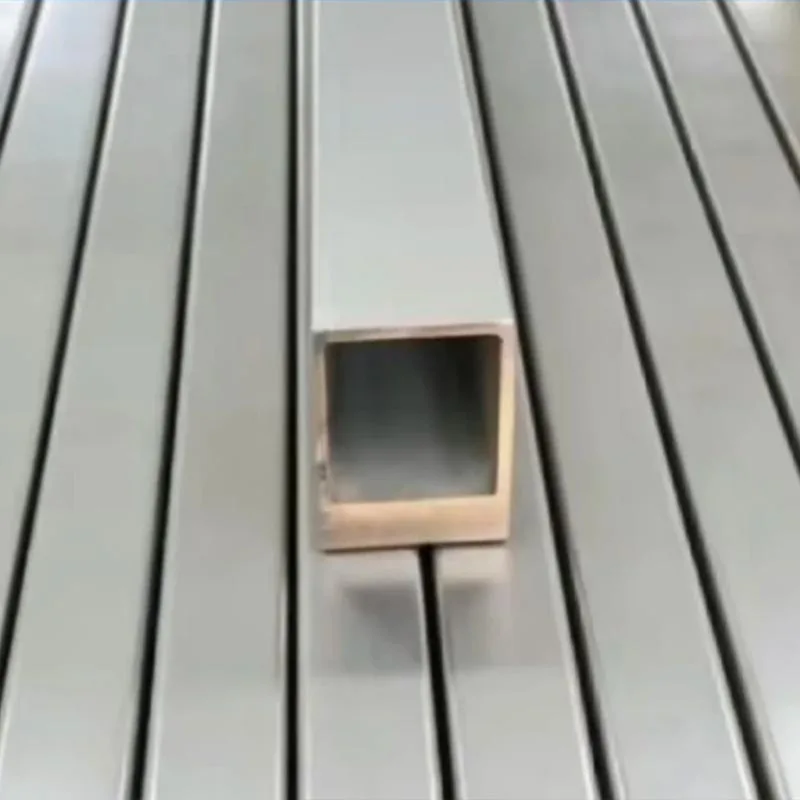
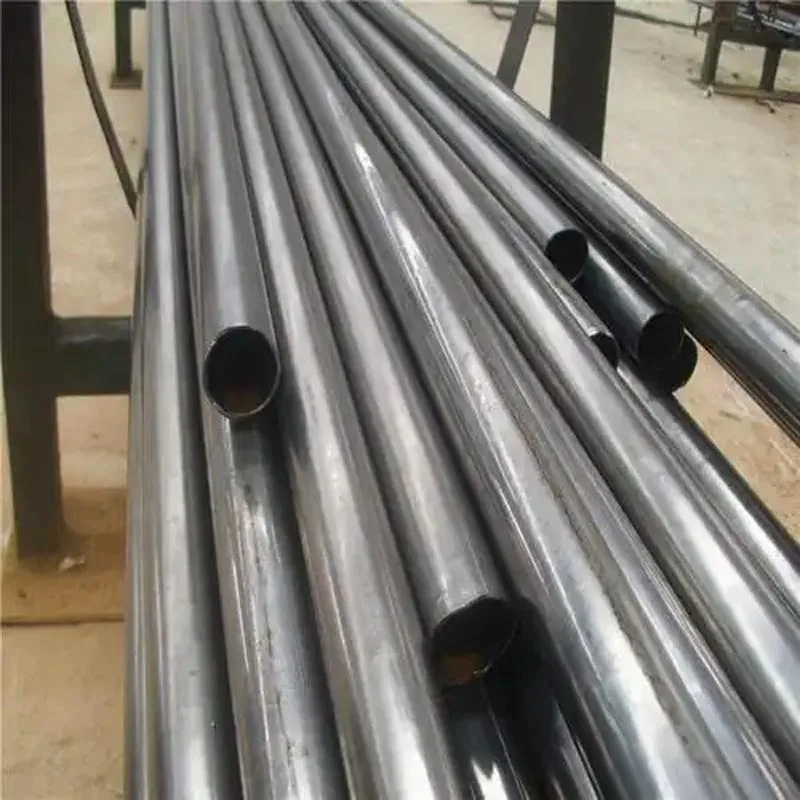
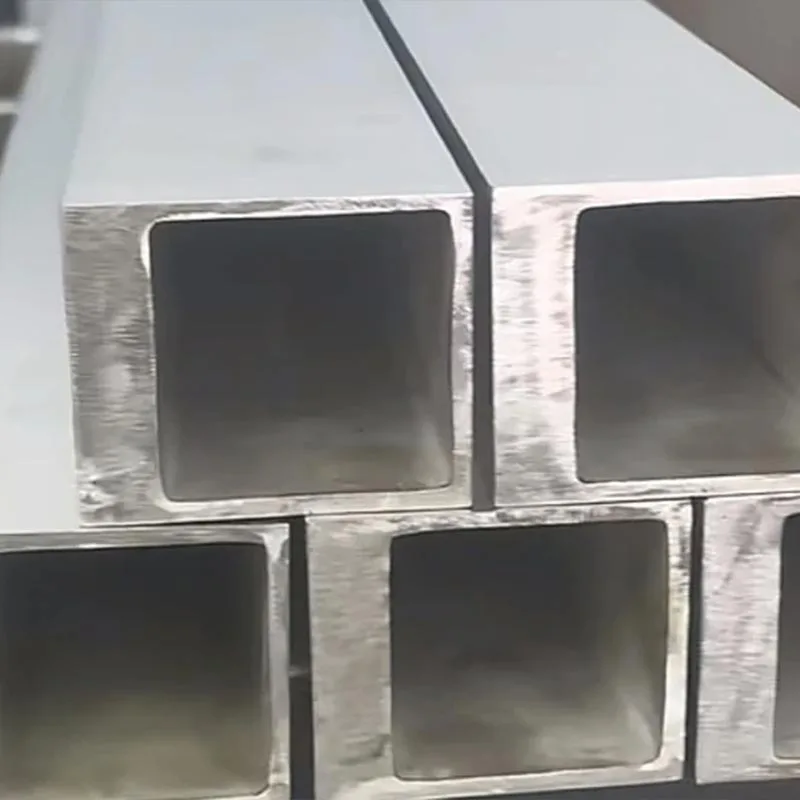
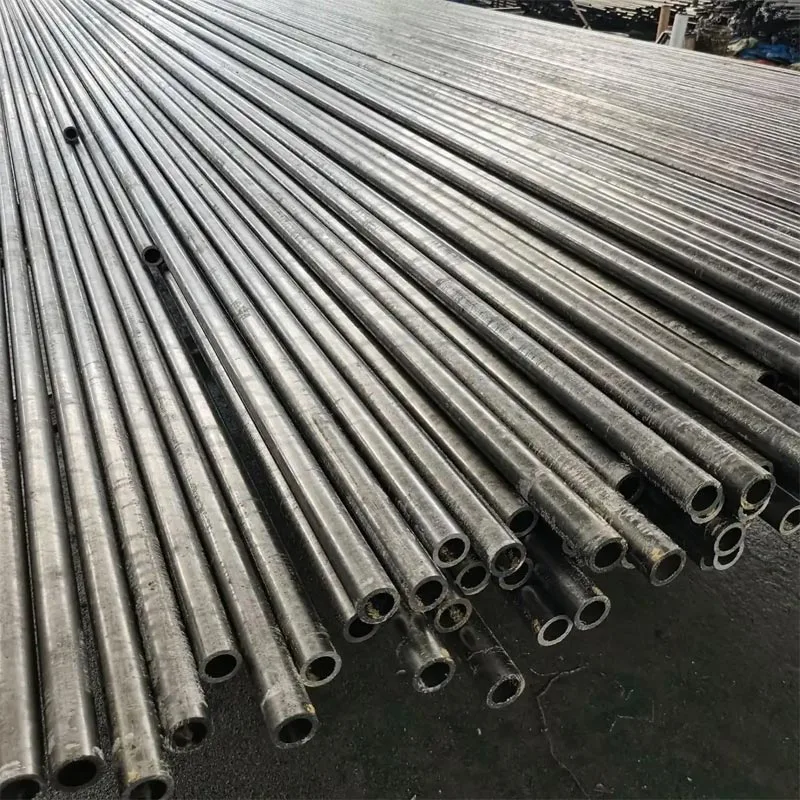
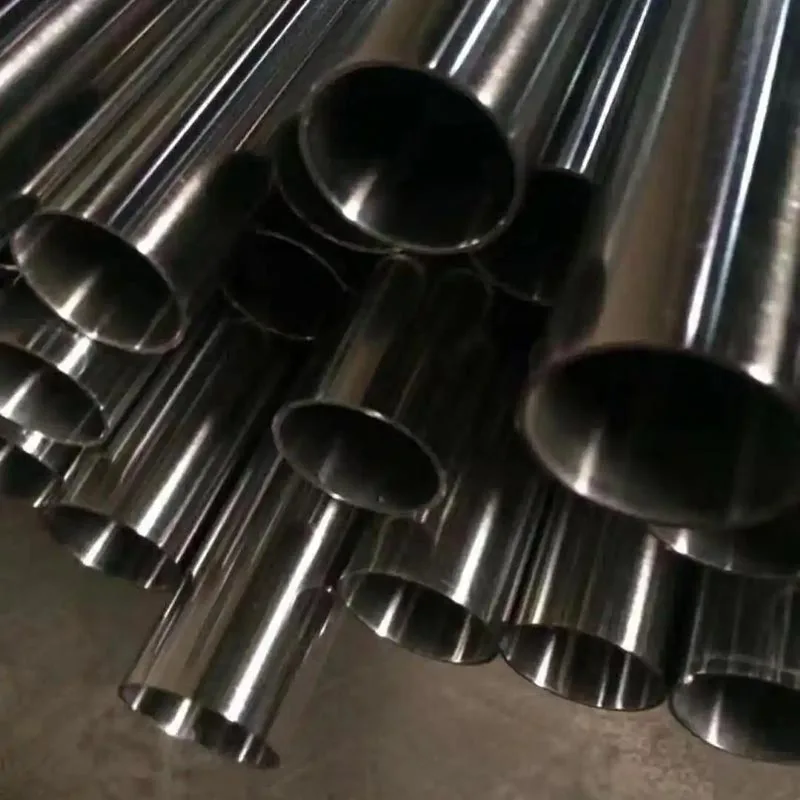
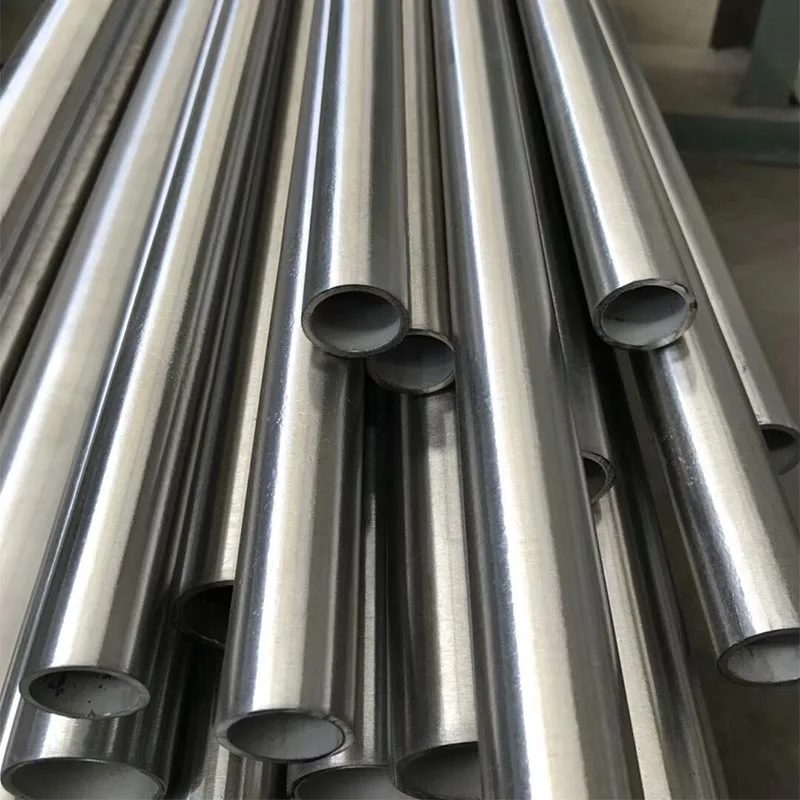
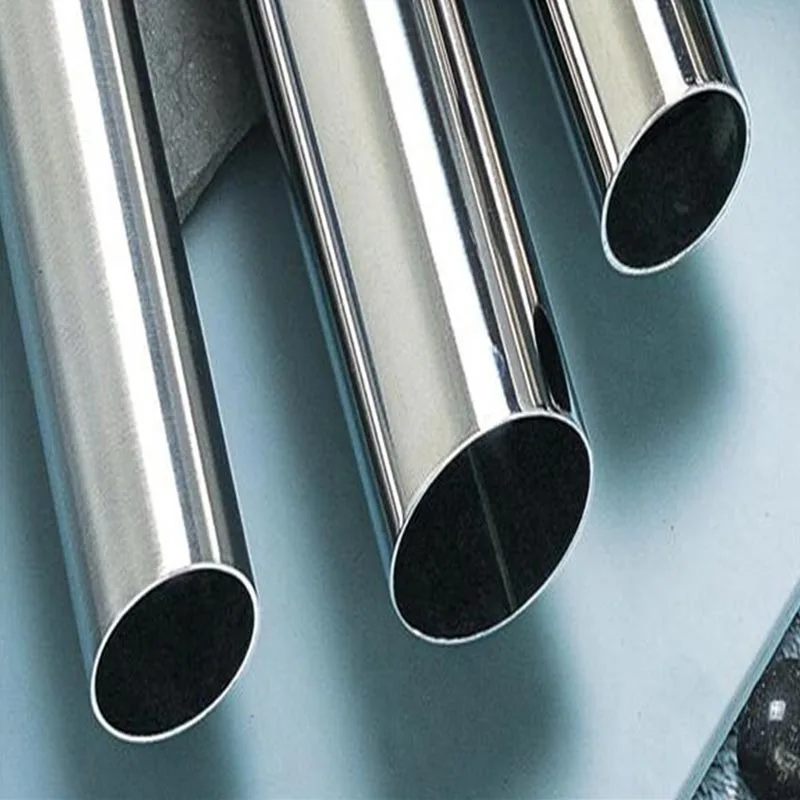
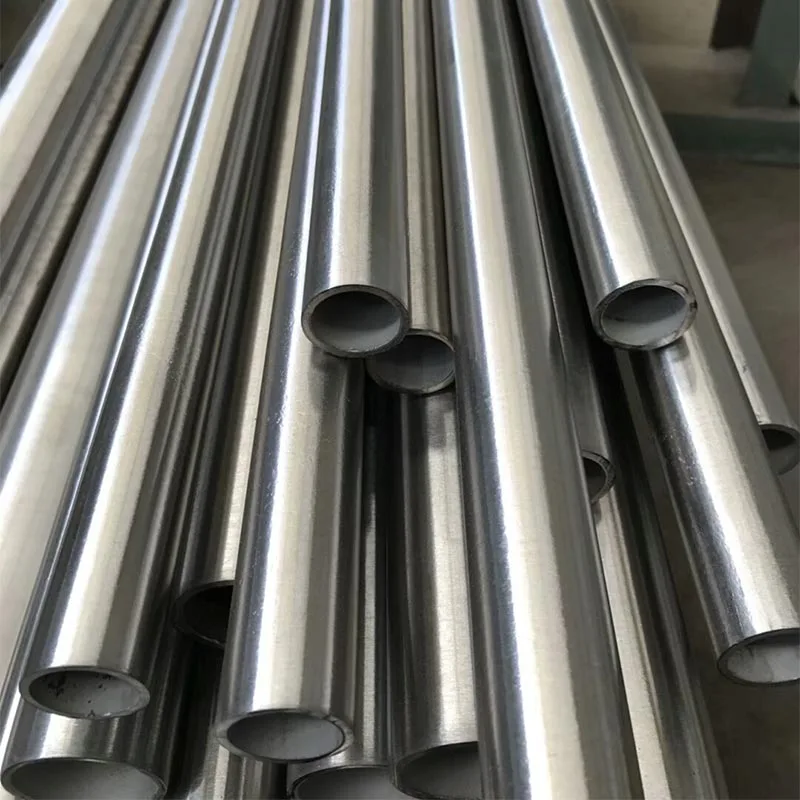
Nuclear Grade Stainless Tube
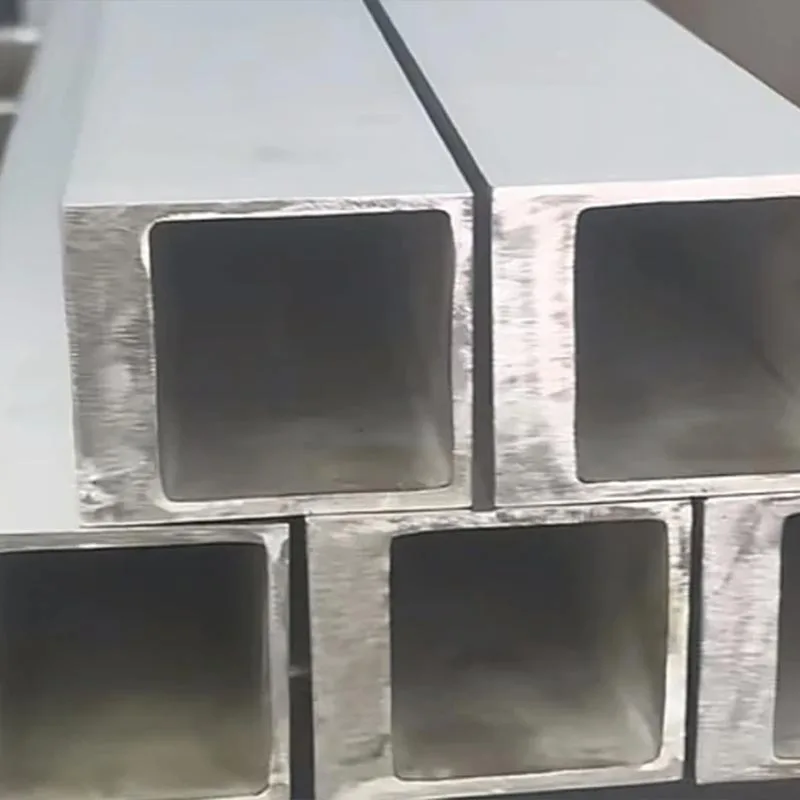
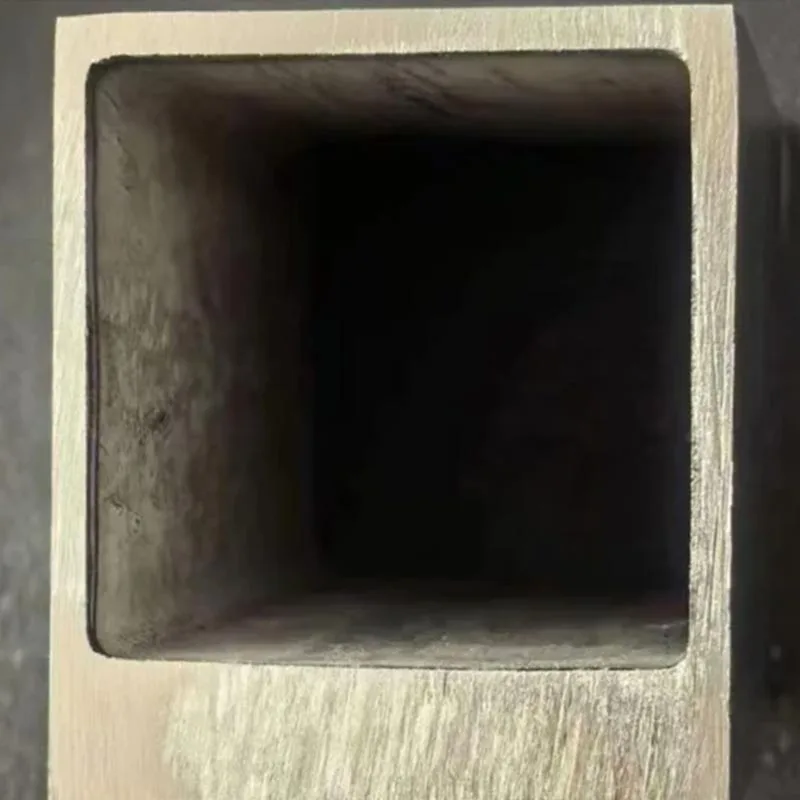
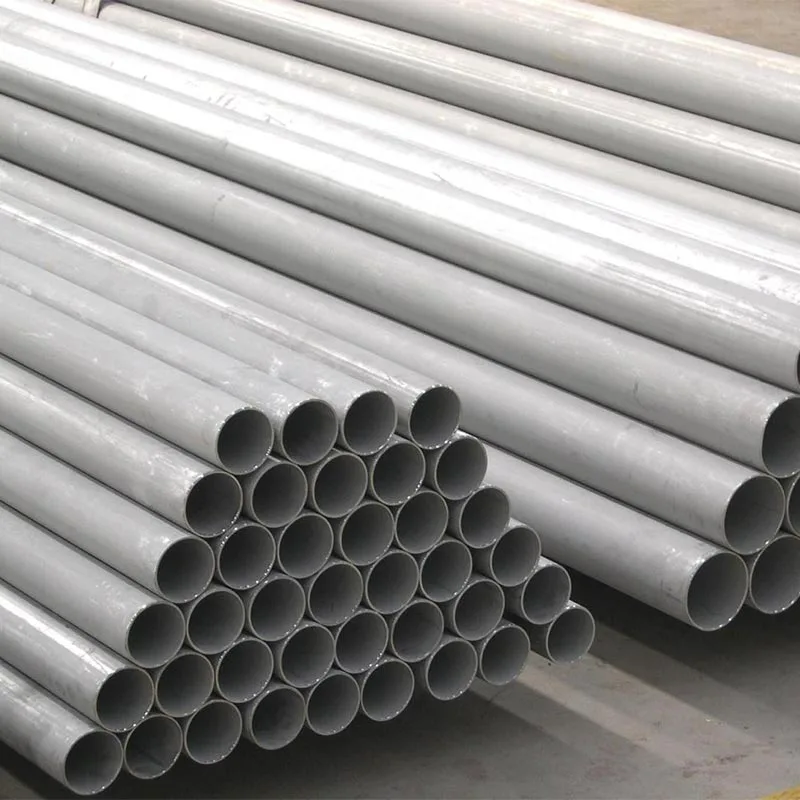
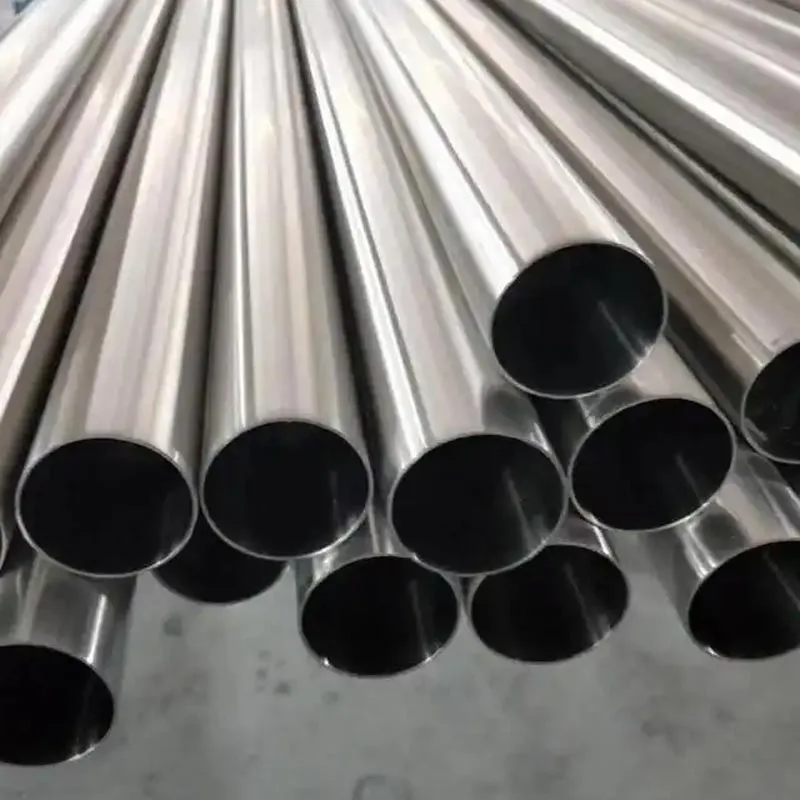
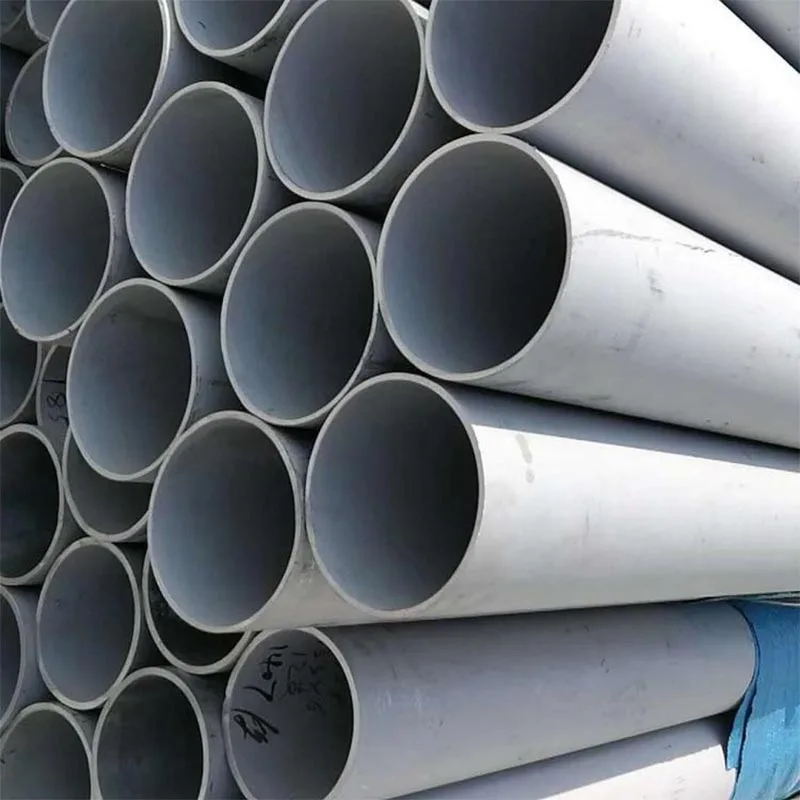
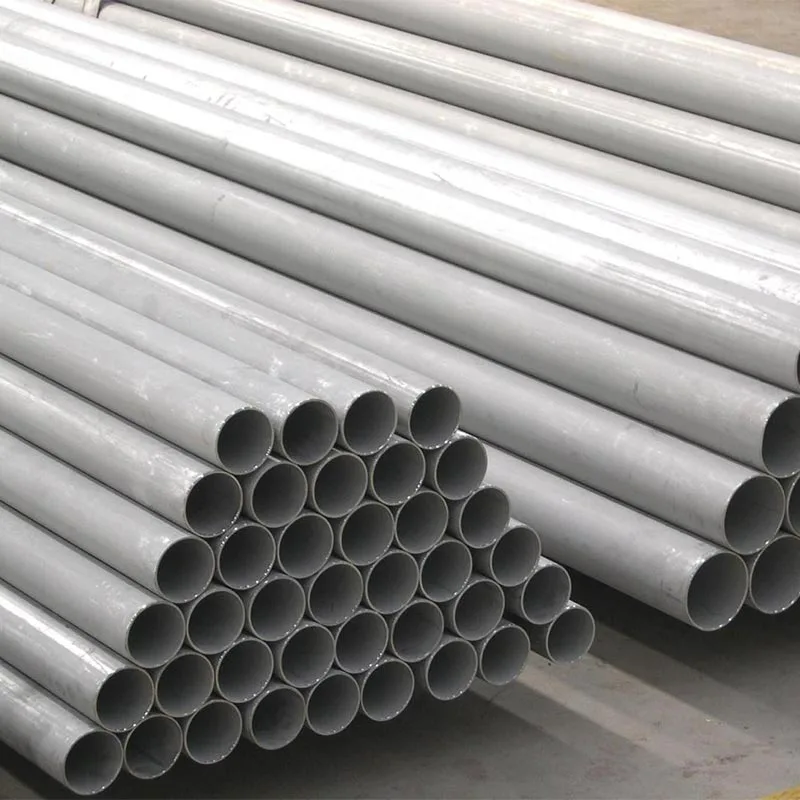
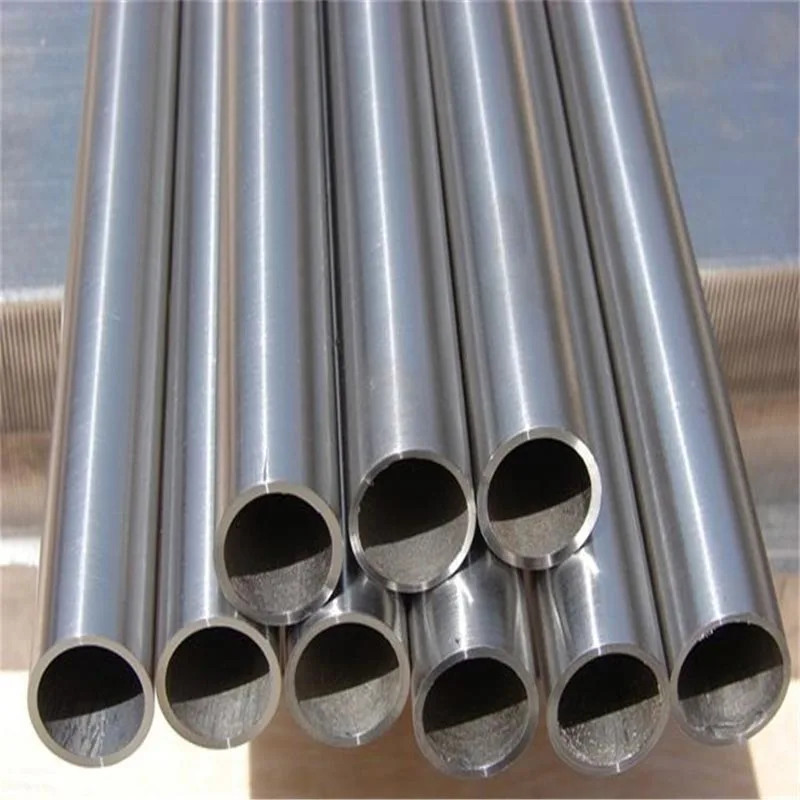
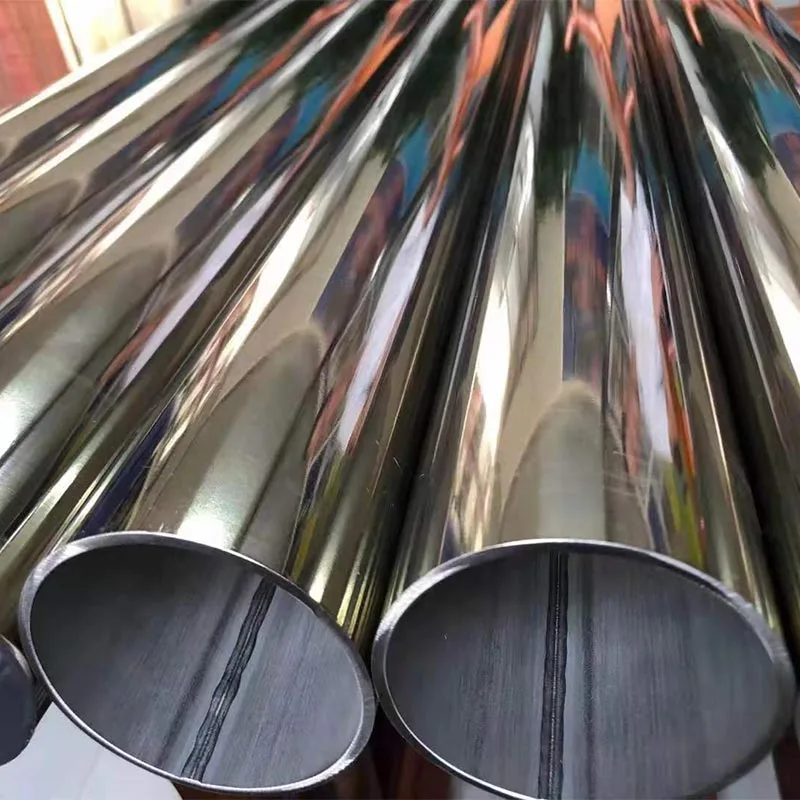
JILAIDA is a China-based manufacturer and supplier of Nuclear Grade Stainless Tube, offering seamless 304L and 316L stainless steel options, with C276 and Alloy 625 nickel-based alloys for specified corrosive services. Hot-extruded from solid billets, tubes are supplied to agreed dimensions, material standards and inspection requirements for nuclear-related projects.
JILAIDA, a China-based manufacturer and supplier, offers Nuclear Grade Stainless Tube for nuclear power-related projects requiring defined material specifications and inspection requirements. The main stainless steel options are 304L and 316L, while Hastelloy C276 and Inconel 625 are available as separate nickel-based alloy options for specified corrosive environments. Produced through a seamless hot extrusion process, the tubes can be supplied with dimensions, material documentation and inspection requirements based on the project specification.
Material Grades and Selection
Material selection depends on the service medium, operating temperature, corrosion conditions, mechanical requirements and applicable project standards. Different grades offer different chemical and mechanical properties.
| Material Grade | Material Characteristics | Typical Considerations |
| 304L Stainless Steel | Low-carbon austenitic stainless steel with good general corrosion resistance and weldability. | General-purpose piping and equipment requiring low-carbon stainless steel. |
| 316L Stainless Steel | Low-carbon austenitic stainless steel containing molybdenum, offering improved resistance to pitting and crevice corrosion in many chloride-containing environments. | Water systems, chemical processing and applications requiring additional corrosion resistance. |
| Hastelloy C276 (N10276) | Nickel-molybdenum-chromium alloy with strong resistance to a range of reducing and oxidizing corrosive media. | Chemical processing and corrosive waste treatment systems. |
| Inconel 625 (N06625) | Nickel-chromium-molybdenum-niobium alloy offering corrosion resistance and high mechanical strength. | Corrosion-resistant process equipment and demanding thermal environments. |
304L and 316L are stainless steel grades, whereas C276 and Inconel 625 are nickel-based alloys. The latter two are alternative material options rather than stainless steel grades. Their suitability should be evaluated against the actual service environment and applicable material specification.
Seamless Manufacturing Process
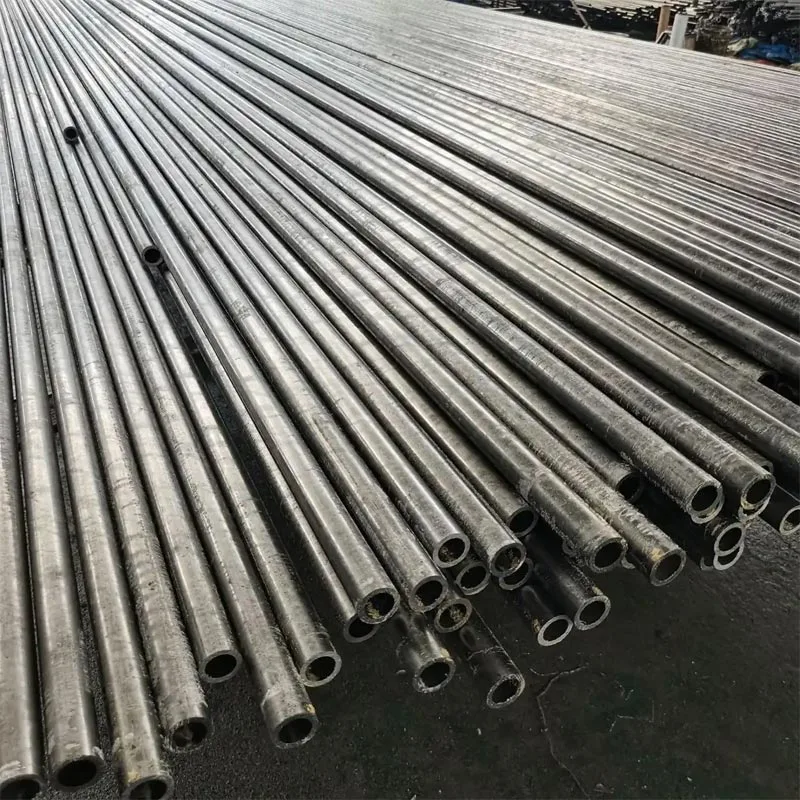
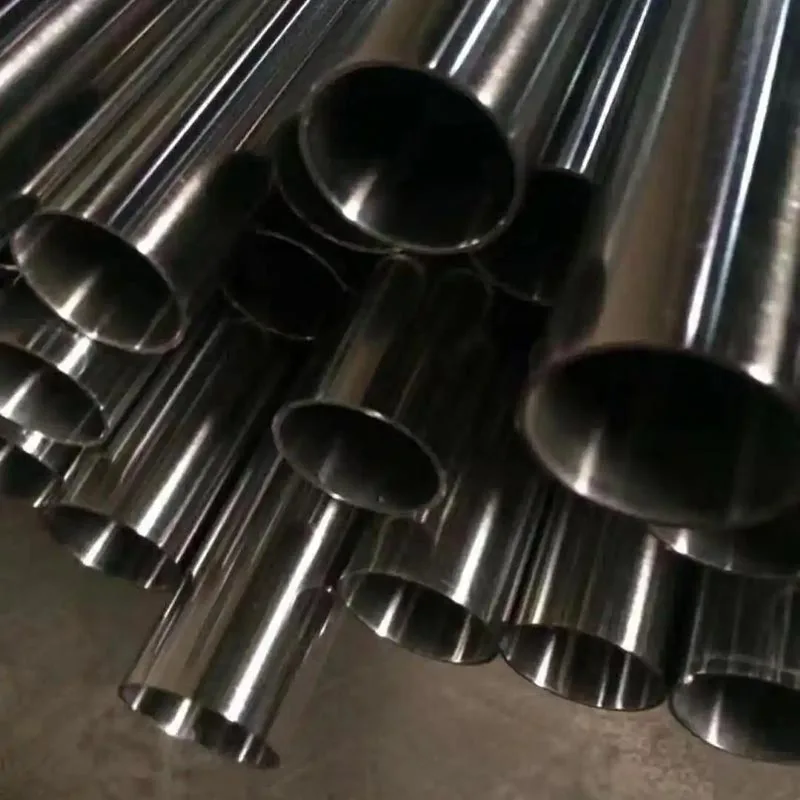
The tubes are manufactured through hot extrusion, starting with a solid metal billet that is heated, pierced and extruded into a hollow tube. Unlike welded tubing, the resulting seamless construction has no longitudinal weld seam.
This manufacturing route supports the production of tubular products in stainless steel and nickel-based alloy grades. Finished dimensions, heat treatment, surface condition and subsequent processing requirements are determined by the selected material and purchase specification.
Material Inspection and Traceability
For nuclear-related procurement, material identification and inspection records should be defined before production. The required documentation depends on the applicable material standard, component classification and purchaser's quality assurance requirements.
- Chemical Composition: Heat-specific chemical analysis to verify the supplied material grade.
- Mechanical Properties: Tensile, hardness and other tests required by the applicable material specification.
- Non-Destructive Testing: UT, ET or other inspection methods according to the specified product standard and acceptance criteria.
- Intergranular Corrosion Testing: Additional corrosion testing, such as applicable ASTM A262 practices, when required by the purchase specification.
- Material Traceability: Heat number identification and links between the supplied material and its corresponding inspection documents.
- Material Certification: EN 10204 3.1 or 3.2 documentation, or other specified certification requirements, as agreed for the order.
Testing scope, sampling frequency, acceptance criteria and document requirements should be specified in the purchase order. Not all supplementary tests apply to every stainless steel grade or tube specification.
Typical Applications
1. Nuclear Power Plant Auxiliary Piping
Seamless stainless steel tubes can be considered for auxiliary piping systems, including applicable cooling water and service-water circuits, according to system design and material requirements.
2. Heat Exchanger Systems
Used as tubular material for heat exchanger and associated equipment where material compatibility, pressure requirements and corrosion conditions are specified.
3. Chemical and Water Treatment Systems
304L, 316L and selected nickel-based alloys can be evaluated for chemical dosing, water treatment and process fluid lines according to the chemical composition of the medium.
4. Radioactive Waste Treatment Equipment
Selected stainless steel and nickel-based alloy tubes may be considered for waste treatment equipment, depending on the process medium, temperature and corrosion requirements.
Project Specifications and Quality Requirements
A nuclear-related tube order involves more than selecting a stainless steel grade. The material specification, manufacturing requirements, inspection plan and documentation scope need to be consistent with the project procurement requirements.
Before ordering, buyers should confirm the following information:
- Material: 304L, 316L or the specified nickel-based alloy.
- Product Standard: Applicable ASTM, ASME, EN or other project-specific material standards.
- Dimensions: Outside diameter, wall thickness and required length.
- Inspection: Required NDT methods, corrosion tests and mechanical testing.
- Documentation: Material certificates, inspection reports and traceability records.
- Project Requirements: Applicable code, edition, component class and purchaser approval requirements.
For ASME Section III, RCC-M, KTA or GOST projects, the applicable code requirements and supplier qualification scope must be reviewed before an order is accepted. A material grade or standard mill test certificate alone does not establish nuclear code qualification.
Frequently Asked Questions
Q1: What makes a Nuclear Grade Stainless Tube different from ordinary industrial tubing?
The difference is not limited to the material grade. Nuclear-related procurement may require additional controls for material identification, heat traceability, inspection, testing and documentation according to the project specification.
Q2: Why are 304L and 316L commonly selected?
Both grades have low carbon content, which reduces the risk of sensitization and associated intergranular corrosion after welding or elevated-temperature exposure. 316L also contains molybdenum, providing improved resistance to pitting and crevice corrosion in many chloride environments.
Q3: What is the difference between C276 and Inconel 625?
C276 is a nickel-molybdenum-chromium alloy commonly selected for demanding chemical corrosion environments. Inconel 625 is a nickel-chromium-molybdenum-niobium alloy offering a different combination of corrosion resistance and mechanical strength.
Q4: Can the tubes be supplied according to ASME Section III or RCC-M?
The applicable material standard, code edition, component class, supplier qualification and quality documentation must first be reviewed. Material compliance and supplier authorization need to be established for the specific project rather than assumed from the alloy designation.
Q5: What inspection documents should be requested?
Typical requirements may include material test certificates, chemical analysis, mechanical test reports, dimensional inspection, applicable non-destructive testing and heat traceability records. The final document list should follow the purchase specification.
Q6: Can custom dimensions and inspection requirements be specified?
Yes. Buyers can submit drawings, material grades, outside diameter, wall thickness, length and inspection requirements for manufacturing feasibility and order review.
Request a Quote for Your Nuclear Project
For a Nuclear Grade Stainless Tube inquiry, please send JILAIDA your required material grade, product standard, dimensions, operating conditions and project inspection requirements. Drawings, applicable code references and required material documentation can also be included to support technical and quotation review.
Send Inquiry
Contact Info
-
Address
No. 521 Zhonghui Road, Huishan District, Wuxi City, Jiangsu Province, China
-
Tel
-
Email
Request a quotation from JILAIDA, a professional stainless steel and nickel based alloy seamless pipes and nickel based alloy forged round bar manufacturer in China. Get factory price, customized solutions and reliable supply.
Related Products
News Recommendations