
Products
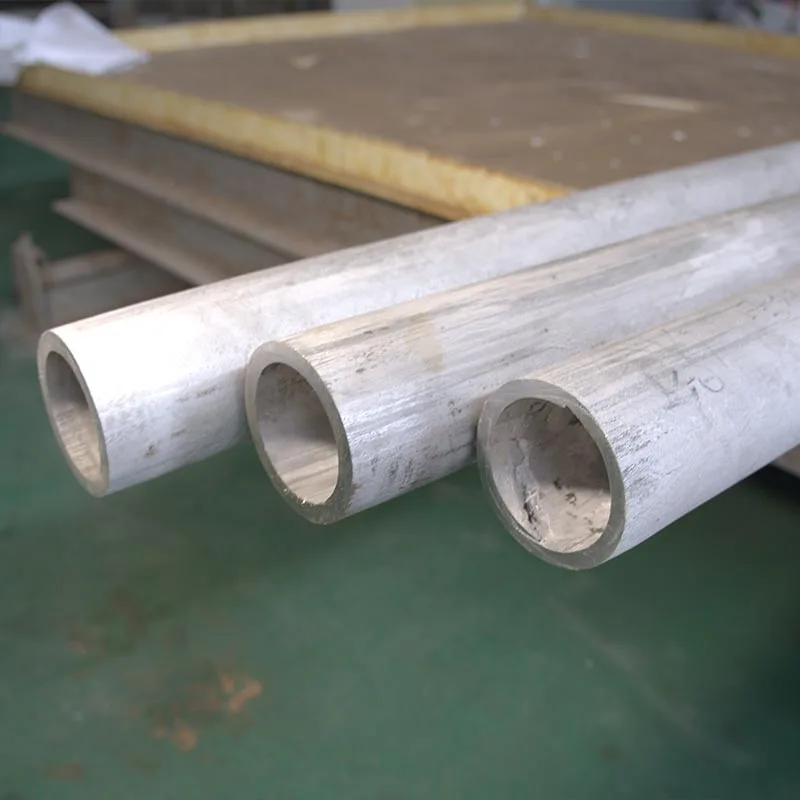
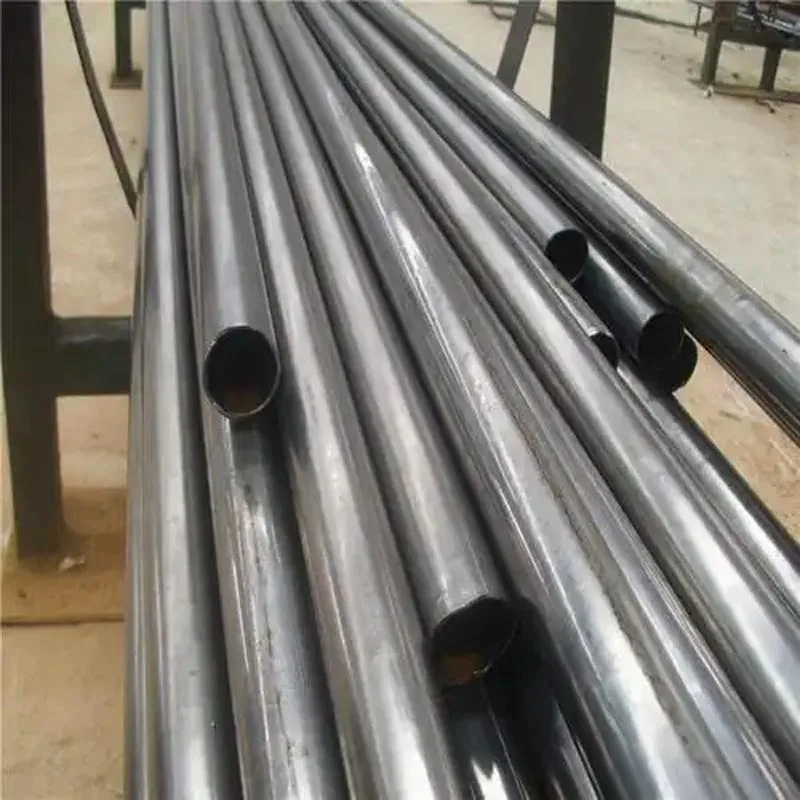
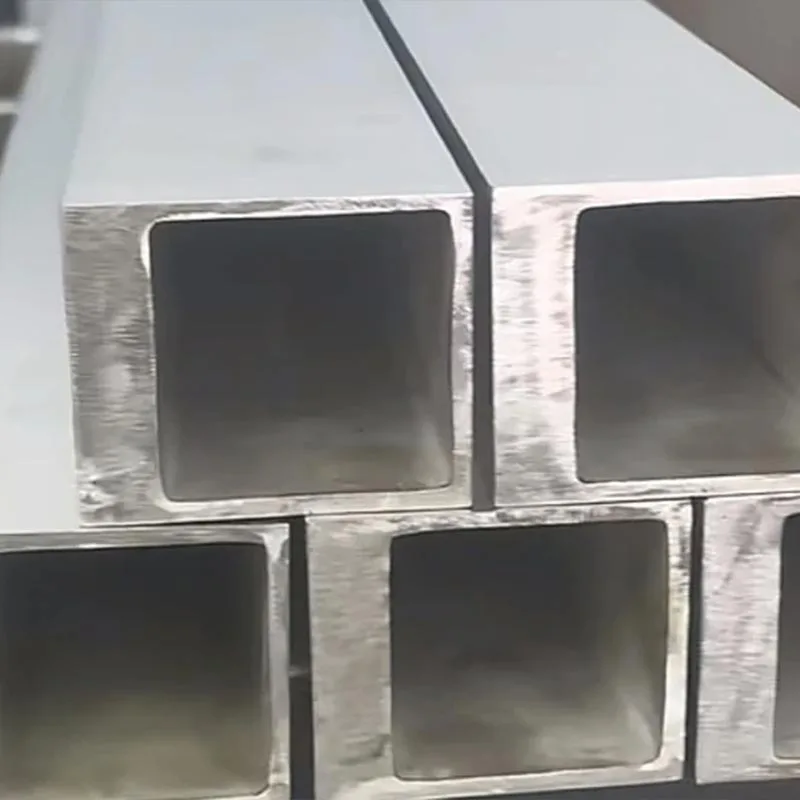
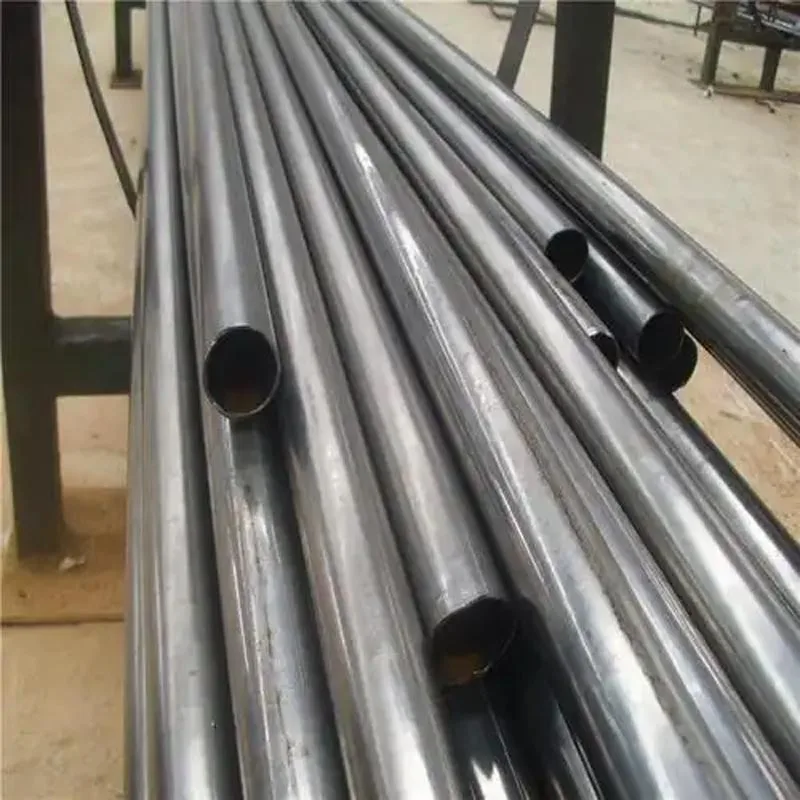
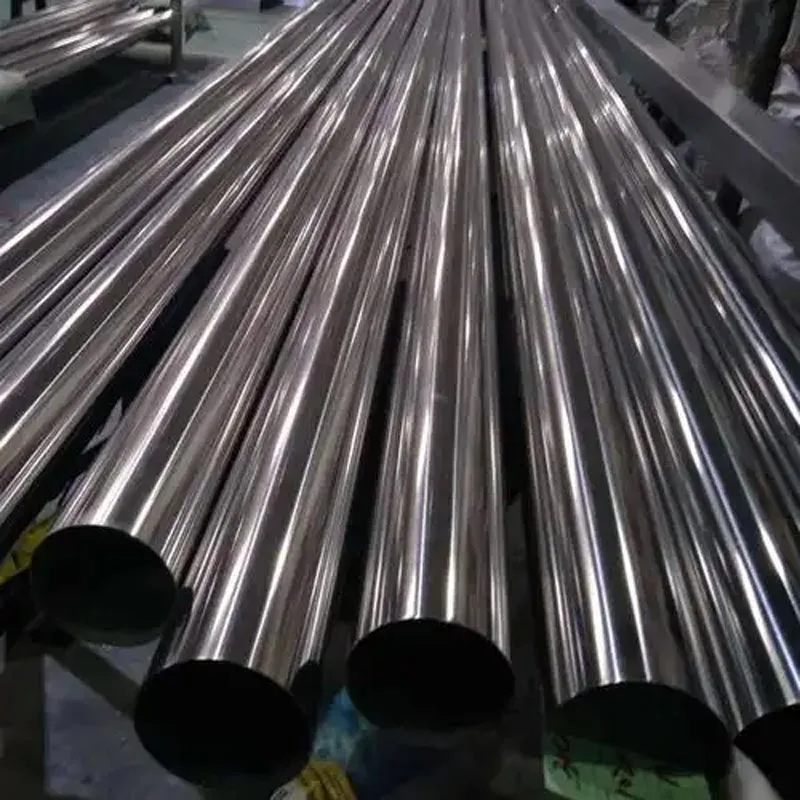
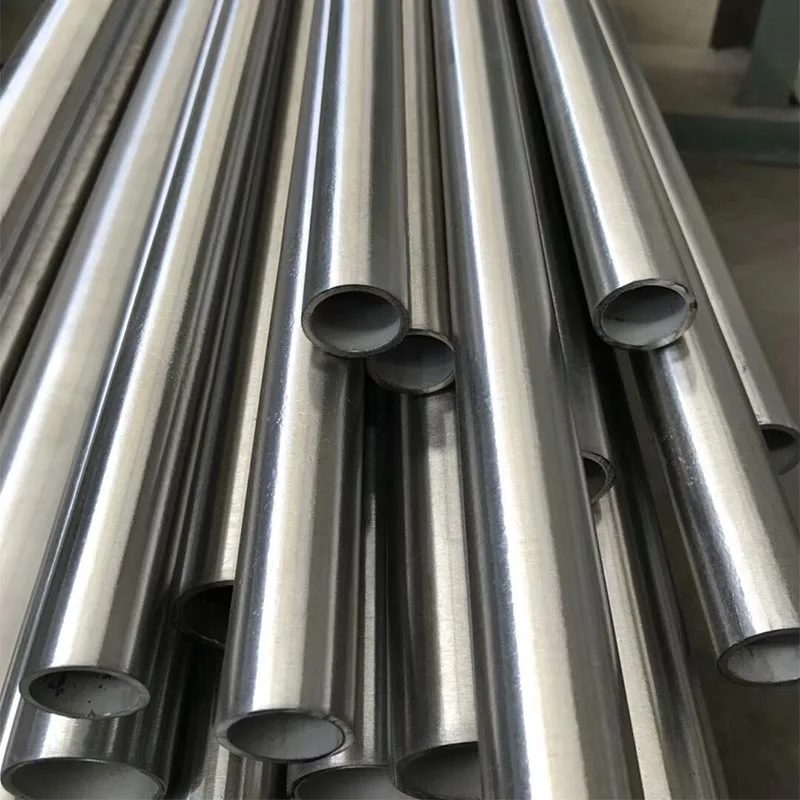
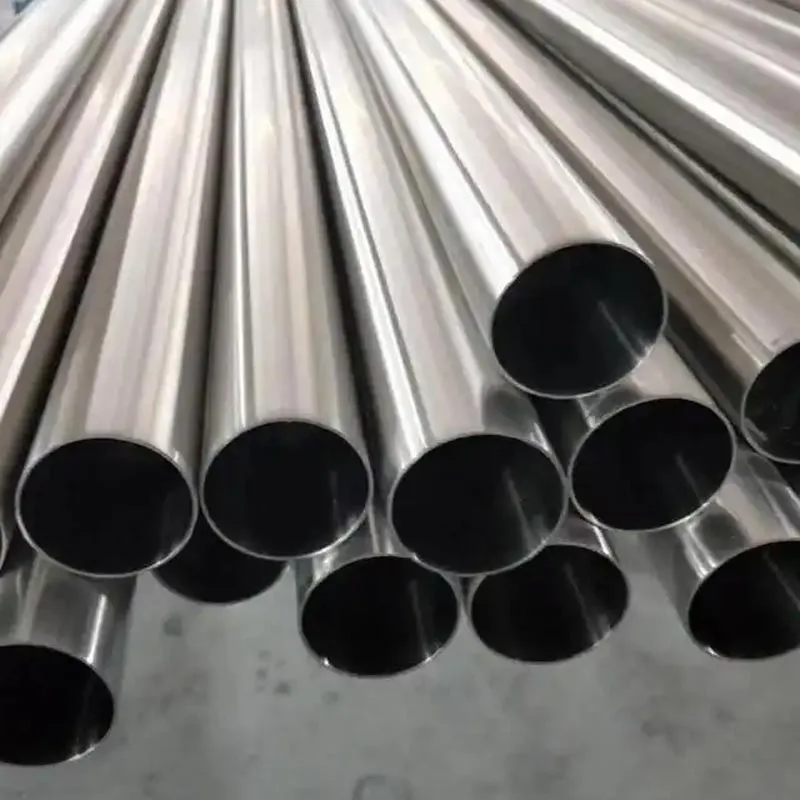
Inconel 718 Nickel Based Alloy Pipe
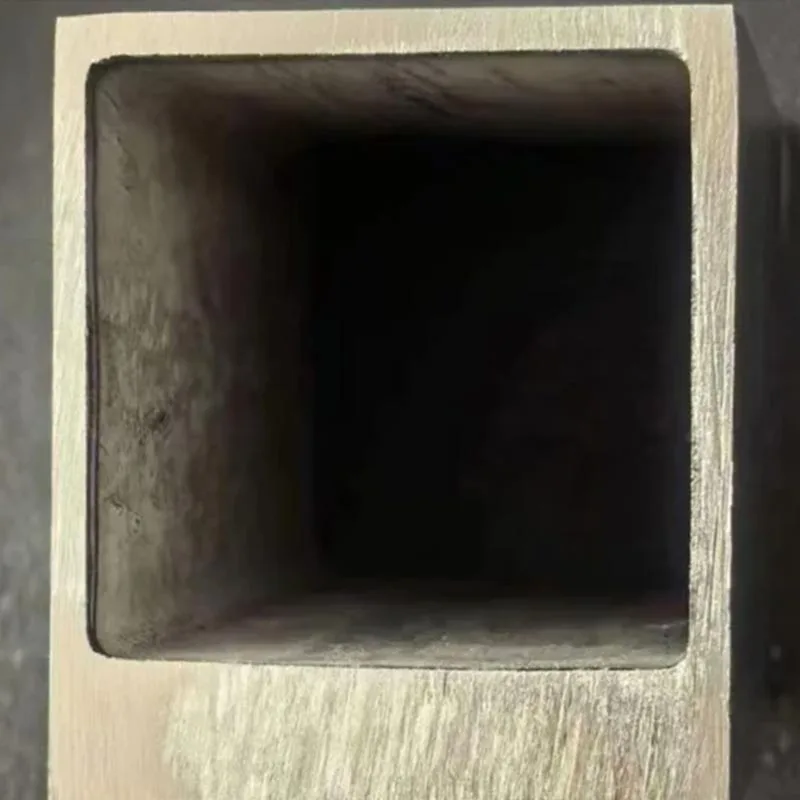
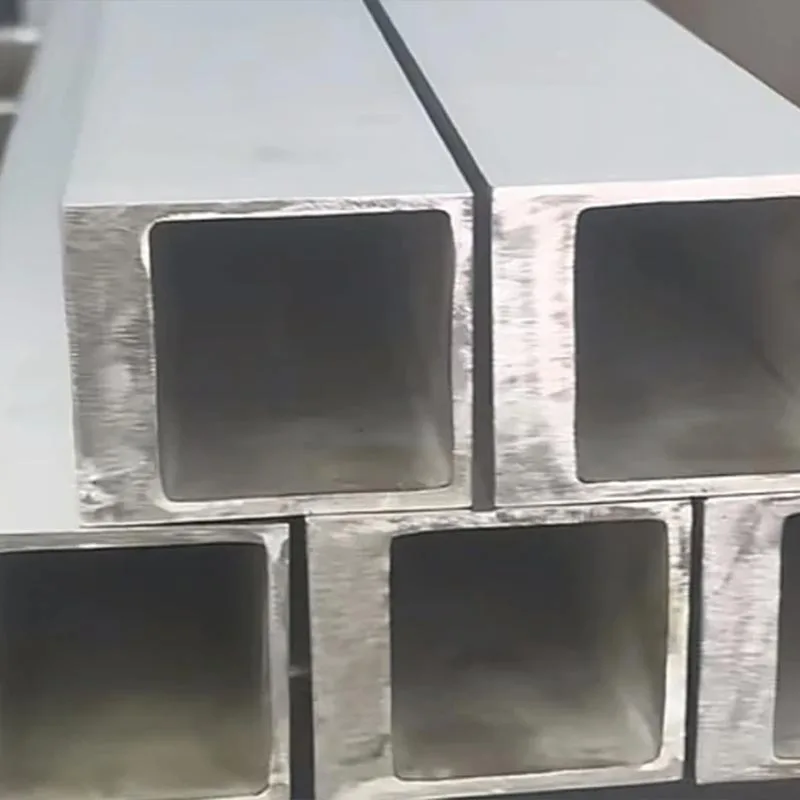
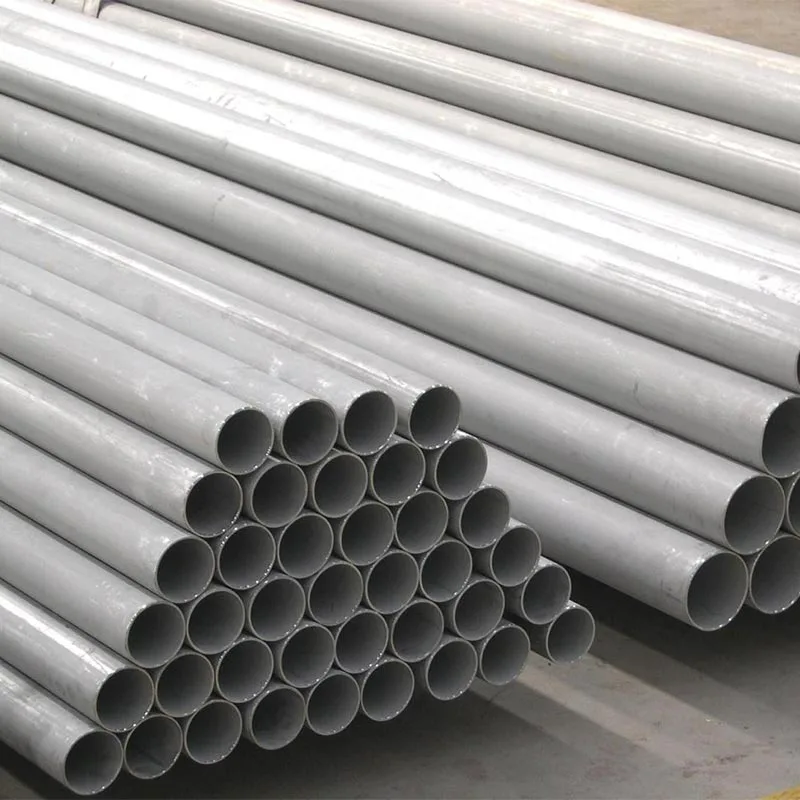
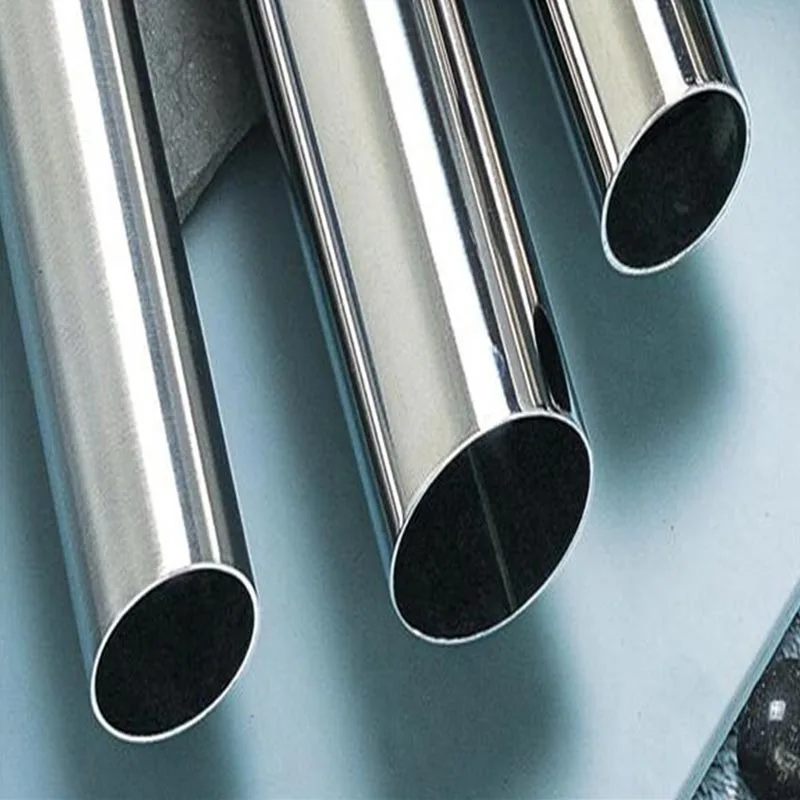
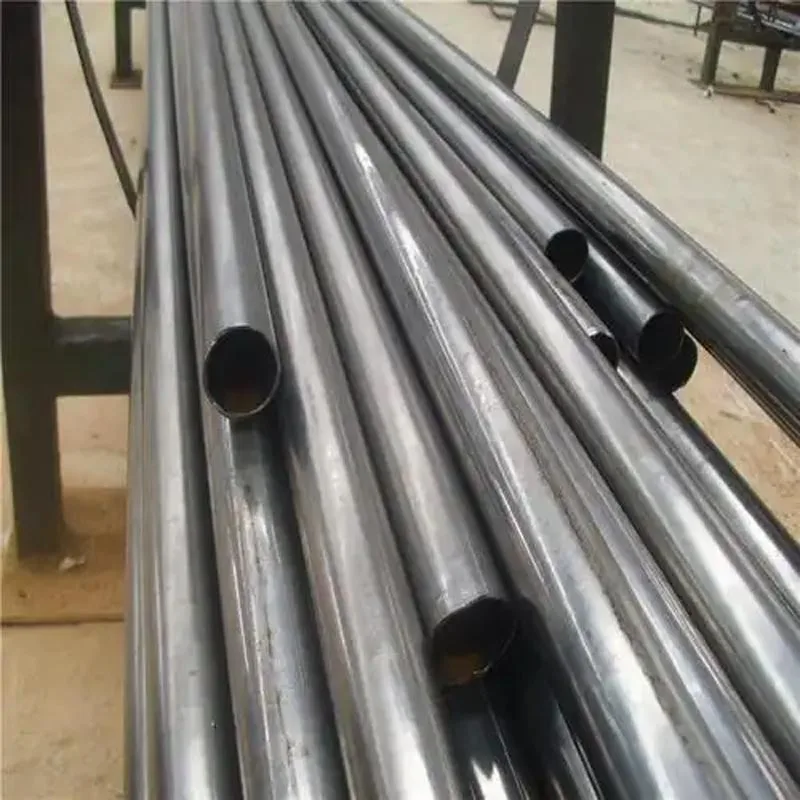
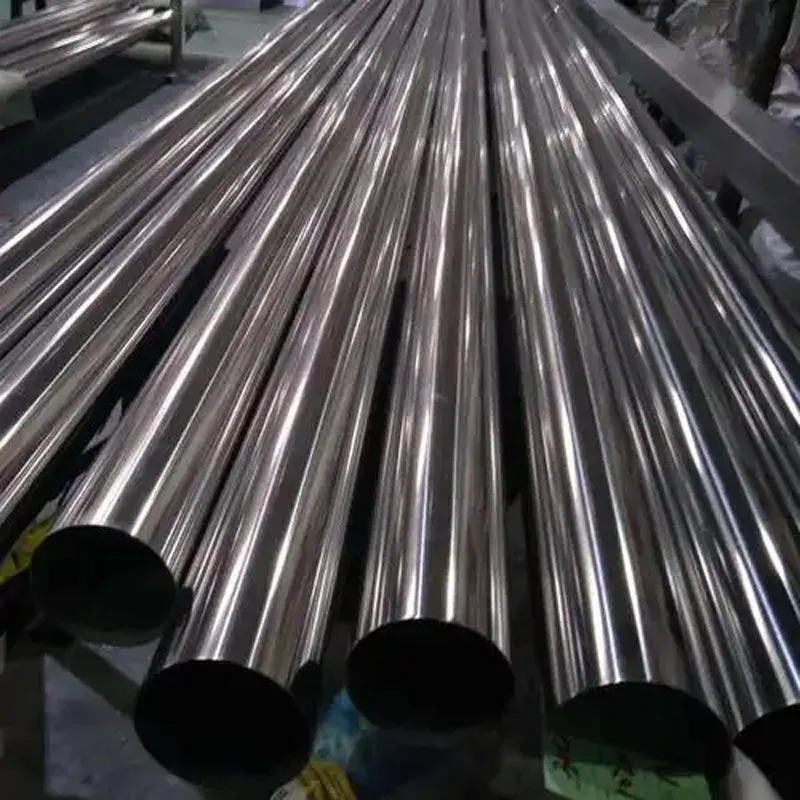
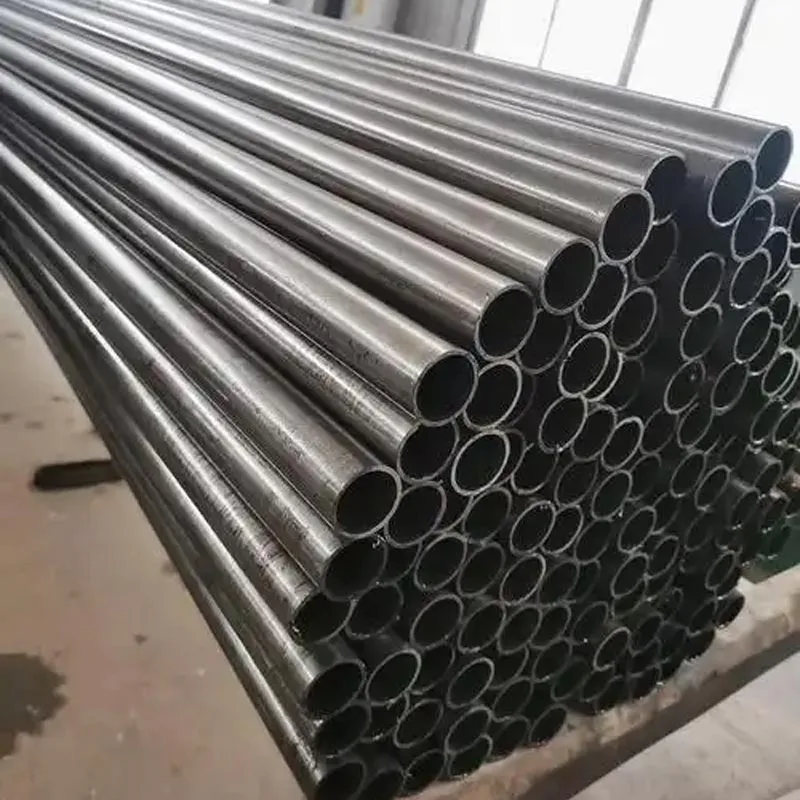
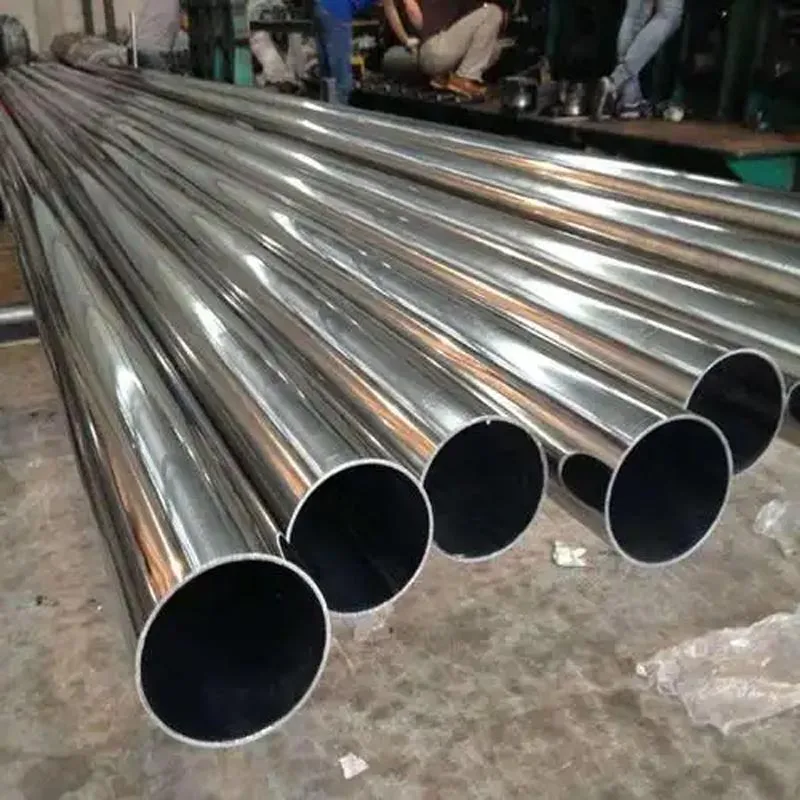
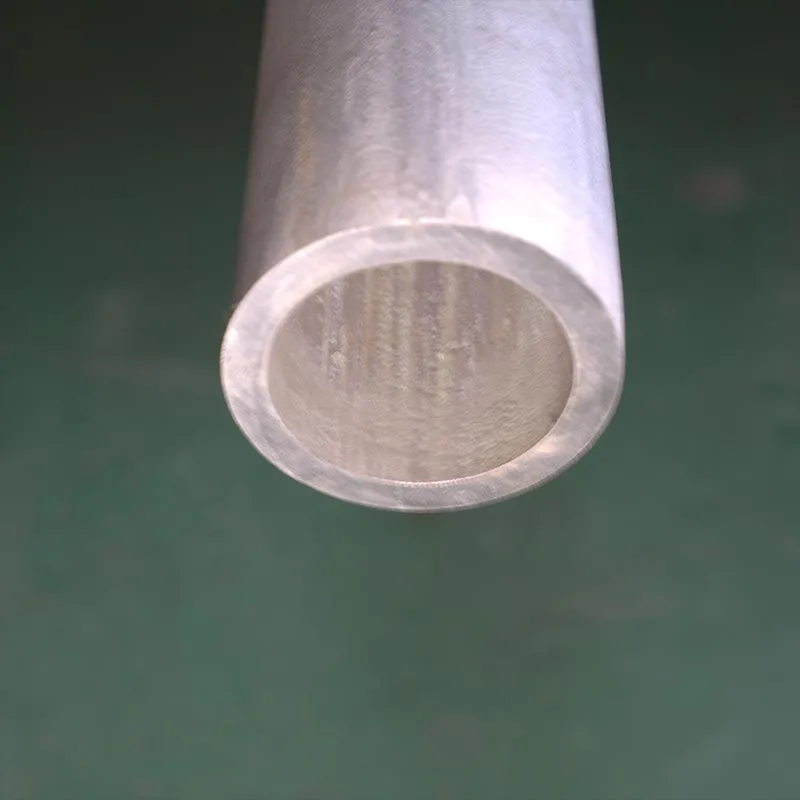
For tubular components exposed to elevated temperatures, pressure fluctuations and cyclic loading, Inconel 718 combines high strength with precipitation-hardening capability. JILAIDA supplies Inconel 718 Nickel Based Alloy Pipe in China, with 6–89 mm OD, 3–9 mm wall thickness and 3,000–10,000 mm lengths for aerospace, energy and industrial equipment applications.
JILAIDA is a China manufacturer of nickel-based alloy pipes, producing Inconel 718 Nickel Based Alloy Pipe through hot extrusion from VIM billet stock. The process forms a seamless hollow section without a longitudinal welded joint. Available sizes cover 6–89 mm outside diameter, 3–9 mm wall thickness and 3,000–10,000 mm lengths. The alloy's precipitation-hardening characteristics make it suitable for tubular components requiring high mechanical strength, fatigue resistance and performance at elevated temperatures.
Key Features
Precipitation-Hardening Strength
Controlled aging develops fine γ' and γ'' strengthening phases, providing high yield strength and resistance to mechanical deformation.
Hot-Extruded Seamless Construction
Formed from solid alloy billet without a longitudinal welded seam or welding-related heat-affected zone.
High-Temperature Strength
Maintains useful mechanical strength and creep-rupture resistance in elevated-temperature applications.
Fatigue Resistance
Offers favorable fatigue performance under repeated mechanical loading and thermal cycling in appropriately designed components.
Cryogenic Performance
Retains useful mechanical properties at very low temperatures, supporting selected low-temperature engineering applications.
Multiple Dimensional Options
Available in 6–89 mm OD, 3–9 mm wall thickness and 3,000–10,000 mm lengths for different tubular component designs.
Precipitation Hardening and Alloy Characteristics
Inconel 718 is a nickel-chromium-iron superalloy containing niobium, molybdenum, titanium and aluminum. Its high mechanical strength is closely related to its precipitation-hardening mechanism rather than solid-solution strengthening alone.
During aging, fine gamma-prime (γ') and gamma-double-prime (γ'') particles develop within the nickel-rich matrix. These precipitates restrict dislocation movement, increasing the material's resistance to deformation and improving its tensile and yield strength.
The gamma-double-prime phase, primarily based on Ni3Nb, plays a major role in the strengthening response of this alloy. This metallurgical characteristic distinguishes Inconel 718 from conventional solid-solution-strengthened nickel alloys such as Inconel 625.
Material Identification
Alloy: Inconel 718
UNS: N07718
Werkstoff Number: 2.4668
Alloy Family: Nickel-Chromium-Iron Superalloy
Strengthening Mechanism: Precipitation Hardening
Main Strengthening Phases: γ' and γ''
This combination of strength and metallurgical stability makes the alloy suitable for tubular components exposed to substantial mechanical loads, cyclic stress and elevated operating temperatures.
Hot Extrusion Manufacturing Process
JILAIDA produces the hollow tube section through hot extrusion using prepared Inconel 718 billet stock. The heated billet passes through specialized extrusion tooling to establish the initial outside diameter, wall thickness and internal bore.
01. VIM Billet Preparation
Vacuum induction melted billet stock is prepared for the specified alloy composition. Material identification and heat traceability are maintained through the production process.
02. Hot Extrusion
The heated billet is formed through extrusion tooling to produce the hollow seamless section. The initial dimensions are established for subsequent heat treatment and finishing operations.
03. Heat Treatment
Solution treatment and precipitation aging establish the metallurgical condition and mechanical properties required for the supplied product.
04. Finishing and Inspection
Straightening, surface inspection and dimensional verification are carried out as part of the finishing and quality-control process.
The hot-extruded construction eliminates the longitudinal welded joint found in strip-formed tubing. It provides a continuous hollow wall structure for components subjected to pressure fluctuations, vibration and repeated mechanical loading.
Heat Treatment and Mechanical Properties
Heat treatment is central to the performance of Inconel 718. Solution treatment establishes the required metallurgical condition, while subsequent precipitation aging develops the strengthening phases responsible for its high mechanical strength.
Solution Heat Treatment
The alloy is heated under controlled conditions to establish the solution-treated state and prepare the material for its subsequent aging treatment.
Precipitation Aging
Controlled aging promotes the formation of γ' and γ'' precipitates, increasing yield strength, tensile strength and resistance to deformation.
In the aged condition, Inconel 718 combines high room-temperature strength with useful mechanical properties at elevated temperatures. The heat-treated condition also contributes to its fatigue and stress-rupture performance in demanding mechanical service.
The supplied material can be described as solution-annealed or solution-annealed and age-hardened according to the specified product condition. Heat treatment documentation and mechanical test results form part of the corresponding material quality records.
High-Temperature and Cryogenic Performance
Inconel 718 is used in components operating across a wide temperature range. Its combination of strength, fatigue resistance and time-dependent deformation resistance makes it relevant to applications where ordinary stainless steel grades may not provide the required mechanical performance.
Elevated-Temperature Strength
The alloy is commonly used in applications around 650°C, where mechanical strength and creep-rupture resistance are important. Its precipitation-strengthened structure helps maintain load-bearing capability during elevated-temperature operation.
Cryogenic Mechanical Properties
Inconel 718 also retains useful strength and toughness at cryogenic temperatures. These characteristics make it suitable for selected low-temperature equipment, aerospace propulsion systems and specialized fluid-handling components.
Fatigue and Stress-Rupture Resistance
Repeated thermal and mechanical loading can lead to fatigue damage and time-dependent deformation in critical components. Inconel 718's strengthening mechanism provides favorable fatigue and stress-rupture characteristics for applications such as turbine-related equipment and high-pressure machinery.
Product Applications
The main applications are concentrated in equipment where high mechanical strength, fatigue resistance and temperature performance are required together.
Aerospace and Jet Engines
Used in selected engine-related tubular components, bleed-air systems and structural assemblies subjected to thermal cycling, vibration and mechanical stress.
Oil and Gas Equipment
Applied in downhole tool bodies, MWD/LWD housings and selected high-pressure equipment components requiring high strength and dimensional integrity.
Gas Turbines and Power Generation
Suitable for selected turbine-related components exposed to elevated temperatures, cyclic operating conditions and mechanical loading.
Cryogenic Equipment
Used in selected low-temperature structures, fluid-handling components and specialized equipment requiring mechanical performance at cryogenic temperatures.
The alloy is particularly recognized for its mechanical strength and high-temperature properties. For applications where severe chemical corrosion resistance is the primary requirement, other nickel-based alloys may be more suitable.
For corrosion-focused oil and gas applications, explore JILAIDA's Inconel 625 Pipe for Oil and Gas. The related GH4169 Seamless Pipe is another product designation associated with the 718 alloy family.
Product Parameters
| Parameter | Value |
| Material | Inconel 718 (UNS N07718 / W.Nr. 2.4668) |
| Outer Diameter | 6 mm – 89 mm |
| Wall Thickness | 3 mm – 9 mm |
| Length | 3,000 mm – 10,000 mm |
| Manufacturing Process | Hot Extrusion (Seamless) |
| Billet Material | VIM Billet Stock |
| Heat Treatment | Solution Annealed + Age Hardened |
| Customization Service | Supported |
Inspection and Material Traceability
Material composition, heat-treatment condition and mechanical test results are important quality characteristics for nickel-based superalloy tubing. JILAIDA's inspection and documentation process covers the specified material and dimensional requirements.
Chemical Composition
Verification of the specified alloy composition, including nickel, chromium, niobium, molybdenum, titanium and aluminum.
Mechanical Testing
Tensile strength, yield strength, elongation and hardness testing according to the applicable material condition.
Dimensional Inspection
Verification of outside diameter, wall thickness, length and other specified dimensional requirements.
Material Documentation
- EN 10204 3.1 MTC: Material test certificate containing the relevant chemical and mechanical test information.
- Heat Number Traceability: Material identification corresponding to the supplied production batch.
- Inspection Records: Agreed dimensional and testing records.
- Non-Destructive Testing: UT, eddy-current or other specified examinations.
- Third-Party Inspection: SGS, BV or TÜV inspection arrangements.
The inspection scope and supporting documentation are supplied according to the agreed product specification and order requirements.
Frequently Asked Questions
Q1: What makes Inconel 718 different from 304 and 316 stainless steel?
Inconel 718 is a precipitation-hardenable nickel-based superalloy. Controlled aging develops γ' and γ'' strengthening phases, providing high mechanical strength and improved creep-rupture performance under demanding temperature and loading conditions.
Q2: What is the typical operating temperature of Inconel 718?
Around 650°C is a commonly referenced elevated-temperature application range. The alloy is also used in selected higher-temperature service conditions, depending on stress, exposure time and component design.
Q3: What is the difference between solution-treated and aged material?
Solution treatment establishes the required metallurgical condition, while precipitation aging develops the strengthening phases that increase mechanical strength. The aged condition is commonly selected for applications requiring higher tensile and yield strength.
Q4: Is the product manufactured by seamless hot extrusion?
Yes. The hollow tube section is formed from billet through hot extrusion. The process produces a continuous tubular structure without a longitudinal welded joint.
Q5: What dimensions are available?
The listed range covers 6–89 mm outside diameter, 3–9 mm wall thickness and 3,000–10,000 mm lengths. Different OD and wall-thickness combinations are available within the production range.
Q6: What inspection documents can be supplied?
EN 10204 3.1 material test certificates, heat number traceability and agreed inspection records can be supplied. Additional non-destructive testing and third-party inspection can also be arranged.
Q7: What information is needed for a quotation?
Provide the required outside diameter, wall thickness, length, material condition, applicable tubing specification, inspection requirements and order quantity. Operating temperature and pressure are also useful for identifying the intended application.
Request an Inconel 718 Pipe Quotation
JILAIDA supplies hot-extruded nickel-based alloy seamless pipes for aerospace-related equipment, oilfield components, turbine systems and specialized industrial applications. Send the required dimensions, heat-treatment condition and technical specification for a product quotation.
Drawings, material requirements and inspection details can be included with the inquiry to establish the production and documentation scope.
Send Your Inquiry
Send Inquiry
Contact Info
-
Address
No. 521 Zhonghui Road, Huishan District, Wuxi City, Jiangsu Province, China
-
Tel
-
Email
Request a quotation from JILAIDA, a professional stainless steel and nickel based alloy seamless pipes and nickel based alloy forged round bar manufacturer in China. Get factory price, customized solutions and reliable supply.
News Recommendations