
News
What Makes 08Х17Н14М2 Extruded Round Pipe a Reliable Choice for Industrial Applications?
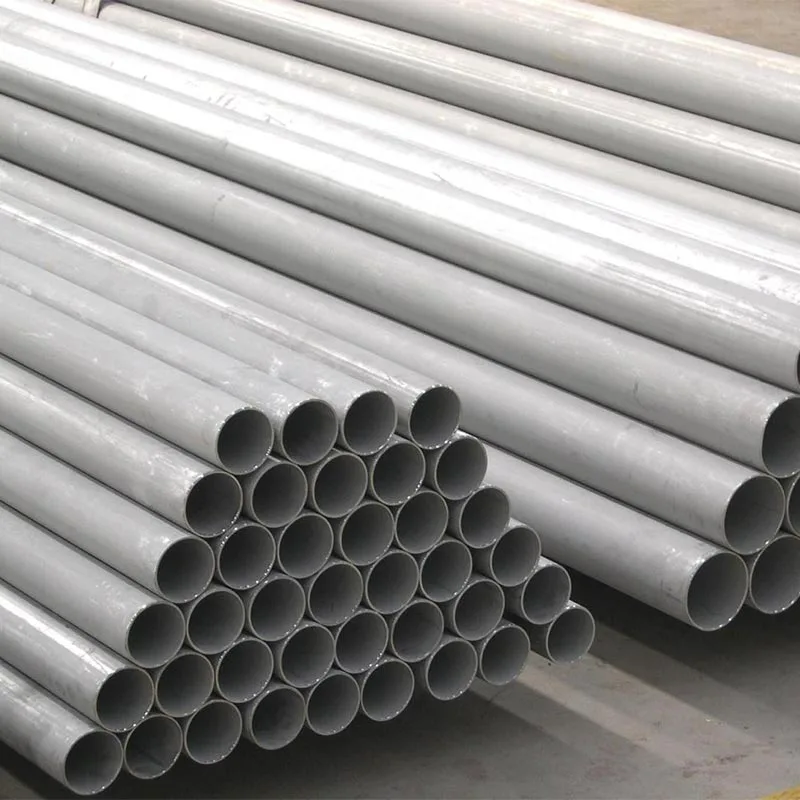
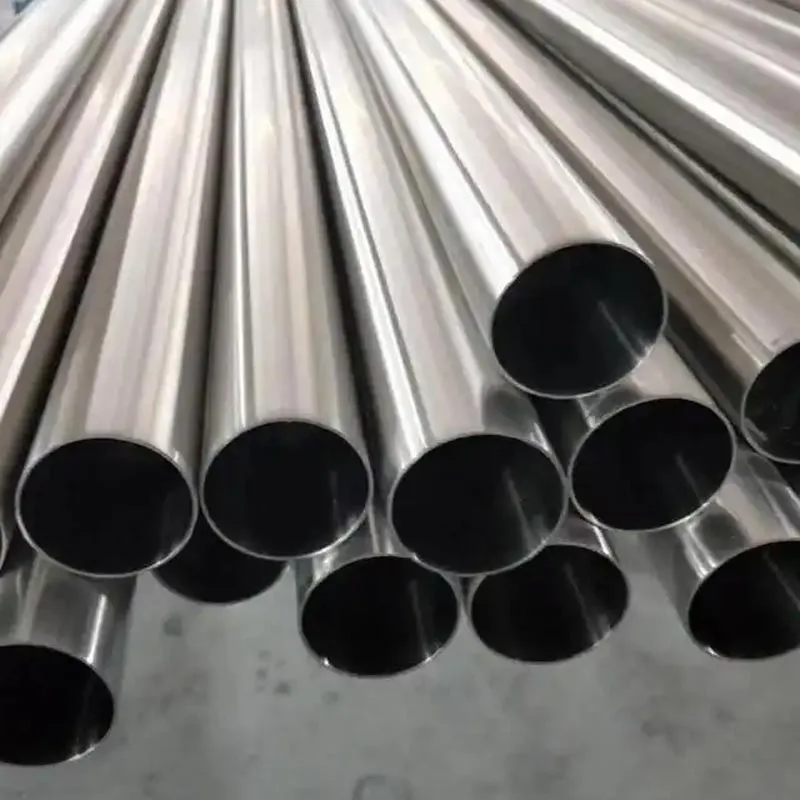
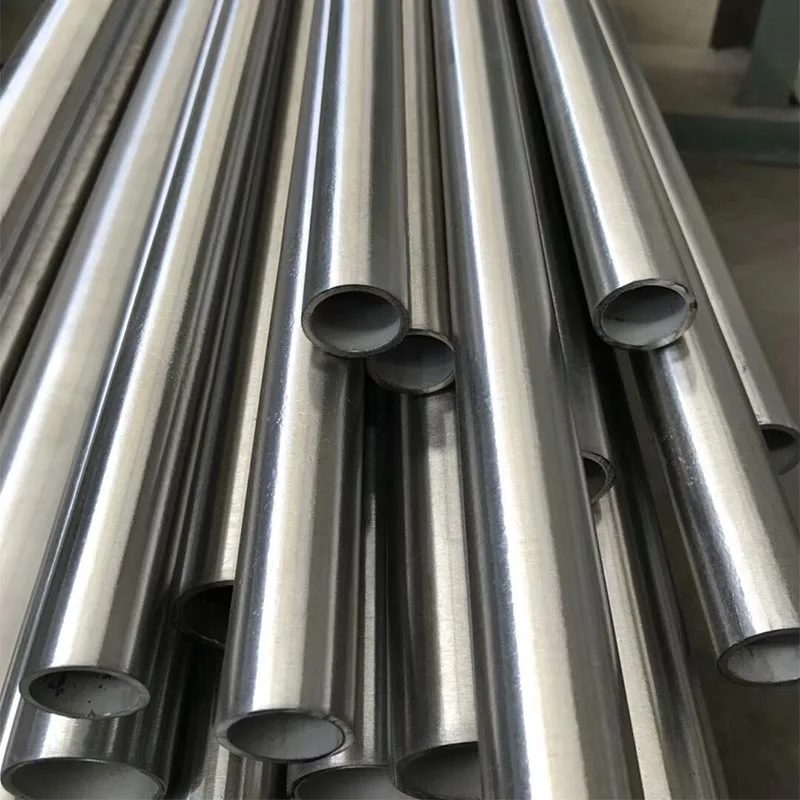
Choosing the right stainless steel pipe is essential for industrial systems exposed to moisture, chemical substances, elevated temperatures, and demanding operating conditions. The 08Х17Н14М2 Extruded Round Pipe is an austenitic stainless steel product associated with the Russian 08Х17Н14М2 grade, commonly compared with AISI 316 and European 1.4401. Its chromium-nickel-molybdenum composition provides a useful combination of corrosion resistance, mechanical performance, and fabrication flexibility. This guide explains its material characteristics, extrusion process, industrial applications, purchasing considerations, and quality requirements to help engineers, procurement specialists, and industrial buyers make informed decisions.
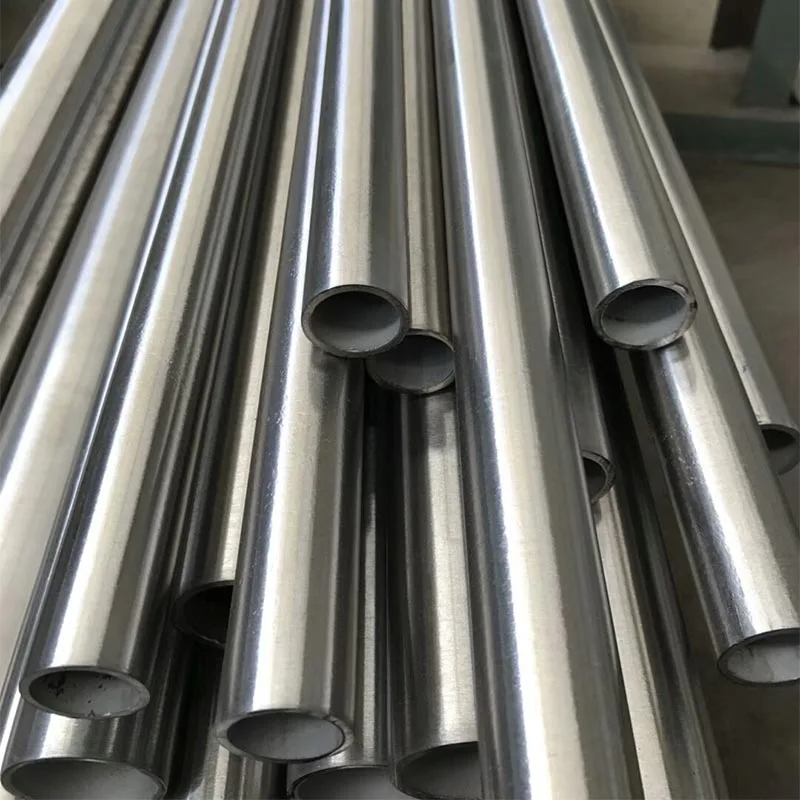
Table of Contents
- Introduction to 08Х17Н14М2 Extruded Round Pipe
- What Is 08Х17Н14М2 Stainless Steel?
- Chemical Composition and Material Characteristics
- How Is an Extruded Round Pipe Manufactured?
- Key Performance Advantages
- Industrial Applications and Use Cases
- 08Х17Н14М2 vs. Other Stainless Steel Grades
- How to Select the Right Extruded Round Pipe
- Quality Inspection and Manufacturing Considerations
- Installation, Maintenance, and Service Life
- Choosing a Reliable Stainless Steel Pipe Supplier
- Frequently Asked Questions
- Conclusion
1. Introduction to 08Х17Н14М2 Extruded Round Pipe
Industrial piping systems must do more than transport liquids and gases. They need to maintain dimensional stability, resist environmental deterioration, withstand mechanical loads, and provide dependable performance throughout their service life. Selecting an unsuitable material can result in premature corrosion, unexpected maintenance costs, production interruptions, and even equipment failure.
The 08Х17Н14М2 Extruded Round Pipe is a stainless steel piping option worth considering for applications requiring a combination of corrosion resistance and structural reliability. Its alloy system contains chromium, nickel, and molybdenum, which contribute to its performance in various industrial environments.
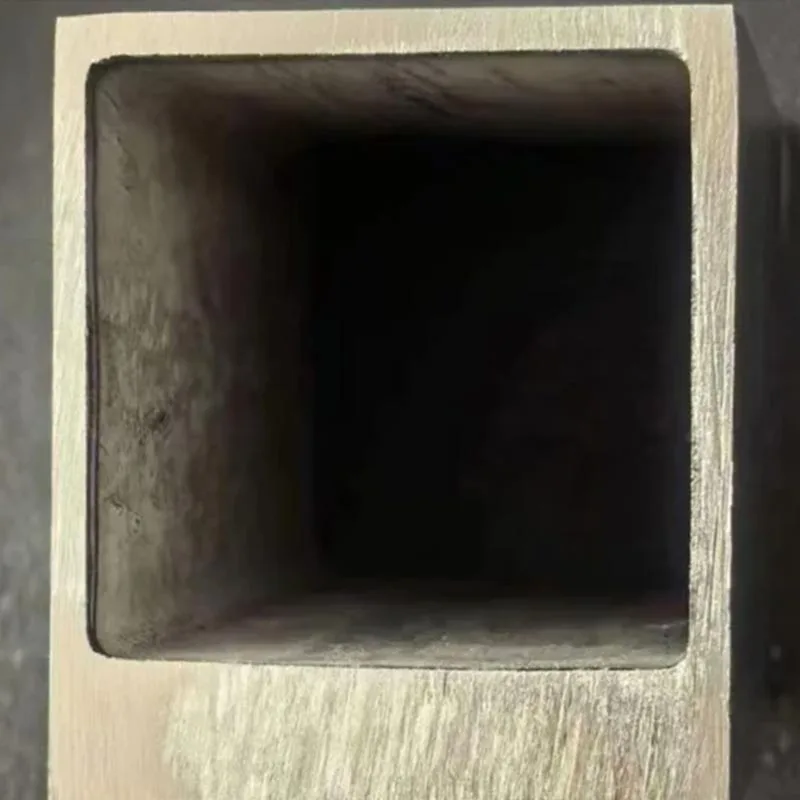
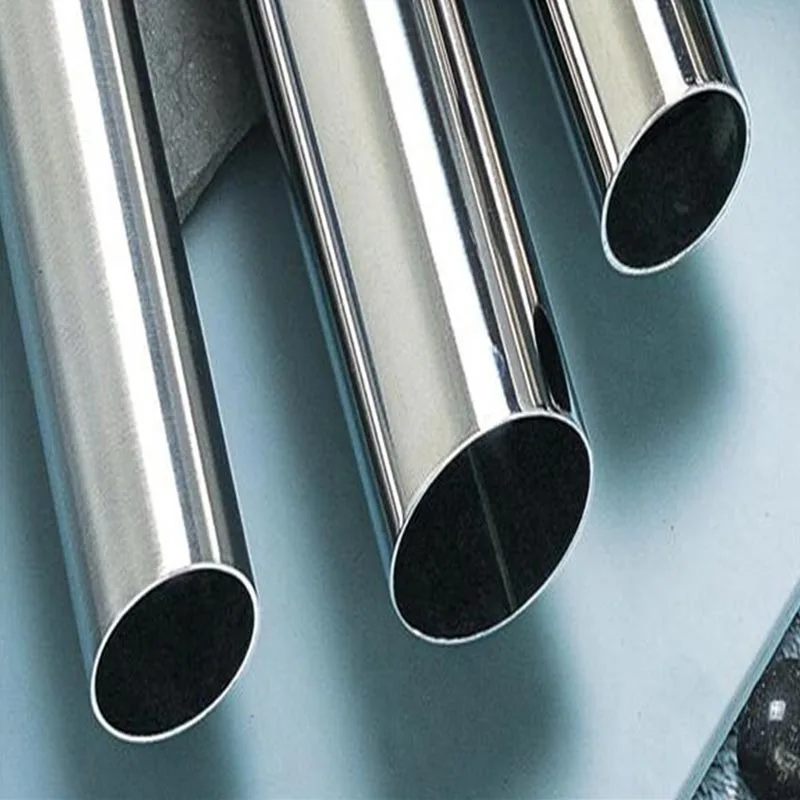
The round cross-sectional design also makes this product suitable for fluid transportation, equipment connections, structural assemblies, and customized industrial components. Depending on the manufacturing specification, extruded pipes can be supplied in different outside diameters, wall thicknesses, and lengths.
For industrial buyers, the most important question is not simply whether a pipe is made from stainless steel. It is whether its chemical composition, manufacturing route, dimensional tolerances, and mechanical properties match the actual operating conditions.
Key purchasing consideration: Material grade and manufacturing process should be evaluated together. A correctly identified alloy with verified inspection documentation provides a more dependable basis for procurement than a product description alone.
2. What Is 08Х17Н14М2 Stainless Steel?
08Х17Н14М2 is a Russian-designated austenitic stainless steel grade. Its designation reflects the approximate alloying characteristics of the material, including chromium, nickel, and molybdenum.
This grade is commonly associated with AISI 316 and European grade 1.4401 based on their general chemical composition. However, these designations should not automatically be considered interchangeable in every application. Individual standards may specify different chemical limits, mechanical properties, product forms, and inspection requirements.
Understanding the Material Designation
- 08: Indicates a relatively low nominal carbon content in the Russian designation.
- Х17: Represents approximately 17% chromium.
- Н14: Represents approximately 14% nickel.
- М2: Indicates approximately 2% molybdenum.
These figures are designation-based indicators rather than substitutes for the applicable material standard. The actual chemical composition must be confirmed through the relevant specification and material test certificate.
Why Does This Alloy Combination Matter?
Chromium contributes to the formation of a protective passive surface film. Nickel helps stabilize the austenitic microstructure and supports ductility and fabrication performance. Molybdenum improves resistance to localized corrosion, particularly pitting and crevice corrosion, in certain chloride-containing environments.
These combined characteristics make the alloy relevant to industrial applications where ordinary carbon steel or standard stainless steel may not provide sufficient environmental resistance.
3. Chemical Composition and Material Characteristics
Understanding chemical composition helps engineers determine whether a particular stainless steel grade is suitable for its intended working environment. The following table presents commonly referenced composition ranges for the 08Х17Н14М2 / 316 material family. Final acceptance must always follow the specified product standard.
| Element | Typical Composition (%) | Main Contribution |
|---|---|---|
| Carbon (C) | Up to 0.08 | Influences strength and metallurgical behavior. |
| Chromium (Cr) | 16.0–18.0 | Supports passive film formation and corrosion resistance. |
| Nickel (Ni) | 10.0–14.0 | Stabilizes austenitic structure and improves ductility. |
| Molybdenum (Mo) | 2.0–2.5 | Improves resistance to pitting and crevice corrosion. |
| Manganese (Mn) | Up to 2.0 | Supports steelmaking and metallurgical characteristics. |
| Silicon (Si) | Typically up to 1.0 | Acts as a deoxidizing element during production. |
Note: The values above are indicative reference figures for the 316-type composition, not a complete contractual chemical specification. Phosphorus, sulfur, and other elements must also be checked against the applicable standard. The exact composition of an ordered pipe should be verified using its material test certificate.
Austenitic Microstructure and Fabrication
Austenitic stainless steel generally offers good ductility, toughness, and formability. These characteristics are valuable when pipes need to undergo cutting, machining, bending, welding, or other downstream fabrication operations.
However, fabrication conditions still matter. Excessive heat input, inappropriate welding consumables, contamination from carbon steel tools, and inadequate post-fabrication cleaning can compromise the surface condition or corrosion performance.
4. How Is an Extruded Round Pipe Manufactured?
Extrusion is a metal-forming process in which heated or appropriately prepared metal is forced through a shaped opening to create a product with a defined cross-section. For hollow pipe production, specialized tooling and piercing or hollow-billet techniques are used to form the internal passage.
The manufacturing route depends on the material, required dimensions, applicable production standard, and final application. An extruded pipe may also undergo subsequent operations to achieve the required surface finish and dimensional accuracy.
Typical Manufacturing Stages
- Raw material selection: Select alloy stock that meets the specified chemical composition and quality requirements.
- Material preparation: Inspect and prepare the billet or hollow billet for the forming process.
- Heating and extrusion: Apply controlled processing conditions and force the material through suitable tooling to form the pipe.
- Cooling and heat treatment: Apply the required thermal processing route to achieve the specified material condition.
- Surface finishing: Remove imperfections and improve the external or internal surface condition where required.
- Sizing and straightening: Control outside diameter, wall thickness, straightness, and overall geometry.
- Inspection and testing: Verify material identity, dimensional conformity, and required mechanical or nondestructive test results.
Why Does the Manufacturing Process Matter?
Different manufacturing routes can produce different dimensional characteristics, surface conditions, and internal structures. Extrusion can be advantageous for certain specialized geometries and production requirements, but the process alone does not guarantee superior quality.
For example, a pipe with inconsistent wall thickness may create difficulties during installation or machining. Poor surface finishing may introduce areas where contaminants accumulate. Inadequate process control can also affect mechanical properties and dimensional consistency.
Buyers should therefore confirm that the supplier can provide the required manufacturing process and corresponding inspection records rather than relying solely on the word "extruded" in the product name.
5. Key Performance Advantages of 08Х17Н14М2 Extruded Round Pipe
5.1 Resistance to Corrosion
One of the main reasons to consider this alloy is its chromium-nickel-molybdenum composition. The chromium-rich passive film helps protect the surface, while molybdenum contributes additional resistance to localized corrosion.
This makes the material suitable for evaluating in environments involving certain industrial chemicals, process fluids, moisture, and chloride exposure. Nevertheless, no stainless steel grade is universally resistant to every chemical. Concentration, temperature, pH, exposure time, and fluid composition must all be considered.
5.2 Good Mechanical Performance
Austenitic stainless steel offers a useful balance of strength, ductility, and toughness. These characteristics help support pipe fabrication and handling during industrial installation.
Actual tensile strength, yield strength, elongation, and hardness depend on the product specification, heat treatment, manufacturing route, and testing standard. Buyers should request certified values rather than assume all products share identical mechanical properties.
5.3 Heat Resistance for Industrial Service
Chromium-nickel-molybdenum stainless steel can be used in various elevated-temperature environments. However, corrosion resistance and mechanical strength may change with increasing temperature and exposure duration.
For applications involving continuous high-temperature service, thermal cycling, or pressure loading, engineers should evaluate the allowable design temperature and relevant creep or oxidation characteristics.
5.4 Fabrication Flexibility
Its austenitic structure generally supports common fabrication operations, including welding, cutting, and machining. This makes the material practical for equipment manufacturers and piping contractors that require customized dimensions or connection arrangements.
5.5 Long-Term Maintenance Considerations
When correctly selected, installed, and maintained, a suitable stainless steel pipe can help reduce corrosion-related maintenance and replacement frequency. Its smooth finished surface may also support cleaning requirements in appropriate applications.
6. Industrial Applications and Use Cases
The combination of corrosion resistance, mechanical performance, and fabrication flexibility allows 08Х17Н14М2-type stainless steel piping to be considered across several industrial sectors.
Chemical Processing Equipment
Chemical production facilities often handle process liquids, gases, and intermediate products with varying chemical characteristics. Stainless steel pipes may be used in selected transfer lines, equipment connections, and processing assemblies where material compatibility has been established.
Oil and Gas Facilities
Oil and gas operations involve challenging environments, including moisture, process chemicals, and potentially corrosive fluids. Depending on the actual service conditions, 316-type stainless steel piping can be considered for selected auxiliary systems, instrumentation connections, and equipment components.
Food and Beverage Processing
Hygiene, cleanability, and resistance to cleaning chemicals are important in food and beverage manufacturing. Appropriately finished stainless steel pipes can be incorporated into selected processing and transfer systems, provided that surface finish, sanitary design, and regulatory requirements are satisfied.
Pharmaceutical and Biotechnology Facilities
Pharmaceutical production may require materials that support controlled cleaning procedures and reliable fluid handling. Stainless steel pipes can be used in suitable utility and process systems, subject to the required cleanliness, surface finish, and validation standards.
Marine and Coastal Installations
Marine environments expose metal components to moisture and salt-containing atmospheres. Molybdenum-bearing stainless steel offers improved resistance to certain forms of localized corrosion compared with many standard chromium-nickel grades. However, direct seawater exposure can still create significant pitting and crevice corrosion risks, so more specialized alloys may be necessary.
Industrial Machinery and Heat Exchange Equipment
Round stainless steel pipes can also be incorporated into machinery, heat exchanger components, and customized equipment assemblies. Dimensional accuracy and consistent material properties are particularly important when components must fit tightly into engineered systems.
Application reminder: Always evaluate the complete operating environment before selecting a material. A grade suitable for a mildly corrosive process may not be appropriate for concentrated chlorides, hot acids, or other aggressive media.
7. 08Х17Н14М2 vs. Other Stainless Steel Grades
Comparing stainless steel grades helps buyers understand where additional alloying elements provide practical value. The most appropriate choice depends on corrosion exposure, temperature, fabrication requirements, budget, and applicable design standards.
| Material | General Characteristics | Typical Considerations |
|---|---|---|
| 304 / 1.4301 | General-purpose austenitic stainless steel. | Suitable for many atmospheric and mildly corrosive environments. |
| 08Х17Н14М2 / 316 / 1.4401 | Chromium-nickel-molybdenum stainless steel. | Offers improved resistance to pitting and crevice corrosion in many environments. |
| 316L / 1.4404 | Low-carbon chromium-nickel-molybdenum stainless steel. | Often preferred where reduced sensitization risk after welding is important. |
| 317L / 1.4438 | Higher-molybdenum, low-carbon stainless steel. | May offer improved corrosion resistance in selected aggressive environments. |
Important distinction: 08Х17Н14М2 is generally associated with 316 rather than 316L. Although the two grades have similar alloying systems, their carbon limits and certain material requirements differ. They should not be substituted without checking the engineering specification.
Likewise, a higher alloy content does not automatically make a material the best option. Buyers should compare the actual corrosion conditions and expected service life rather than select a grade based on its name alone.
8. How to Select the Right Extruded Round Pipe
Choosing a suitable pipe requires more than identifying the material grade. The following factors can help procurement teams reduce specification errors and avoid costly modifications after delivery.
8.1 Confirm the Material Grade and Standard
Specify the exact designation, governing standard, and product form. If the project uses Russian, European, or American material designations, request confirmation of chemical and mechanical equivalence before approving a substitution.
8.2 Determine Outside Diameter and Wall Thickness
Outside diameter and wall thickness affect pressure capacity, structural performance, installation compatibility, and internal flow area. These dimensions should be based on engineering calculations and the applicable piping code.
8.3 Evaluate the Working Environment
Provide the supplier or engineering team with information about the transported medium, operating temperature, pressure, chloride concentration, cleaning chemicals, and expected exposure conditions.
8.4 Select the Required Surface Finish
Surface finish influences appearance, cleanability, friction, and suitability for particular process requirements. Specify whether the application requires a standard industrial finish, polished surface, or another defined finish condition.
8.5 Check Dimensional Tolerances
Dimensional tolerances should be consistent with the installation and fabrication requirements. Important parameters include:
- Outside diameter and inside diameter.
- Nominal and minimum wall thickness.
- Pipe length and length tolerance.
- Straightness and ovality.
- Surface condition and end preparation.
8.6 Consider Production Quantity and Delivery Requirements
Project buyers should communicate order quantity, required lengths, packaging expectations, delivery destination, and production schedule in advance. Customized specifications may require additional manufacturing preparation and inspection time.
9. Quality Inspection and Manufacturing Considerations
Consistent product quality is essential for industrial piping because material defects and dimensional deviations can affect installation, fabrication, and operating reliability.
Before accepting a shipment, buyers should establish an inspection plan that reflects the product standard and application risk.
Essential Inspection Items
- Chemical composition testing: Confirm that the material complies with the specified grade.
- Mechanical testing: Verify applicable tensile, yield, elongation, and hardness requirements.
- Dimensional inspection: Check diameter, wall thickness, length, straightness, and ovality.
- Surface inspection: Examine the pipe for cracks, scratches, scale, and other unacceptable imperfections.
- Nondestructive testing: Apply the inspection method required by the relevant product specification.
- Documentation review: Check heat numbers, material test certificates, and traceability information.
Material Traceability and Certification
Traceability connects a finished pipe with its original production batch and inspection records. This is particularly important for pressure-related equipment, chemical processing installations, and other applications with strict material control requirements.
Depending on the project, buyers may request EN 10204 3.1 inspection documents, applicable GOST or ASTM compliance records, and additional third-party inspection reports.
It is important to remember that certification requirements depend on the governing standard and purchase agreement. A certificate should identify the material and inspection results relevant to the actual supplied product.
10. Installation, Maintenance, and Service Life
Even a properly manufactured stainless steel pipe can experience premature deterioration if installation and maintenance practices are inadequate.
Prevent Surface Contamination
During transportation, storage, and installation, stainless steel should be protected from carbon steel particles, grinding dust, and other contaminants. Dedicated tools and clean handling procedures help prevent embedded iron contamination.
Use Appropriate Welding Procedures
Welding should be performed by qualified personnel using suitable procedures and compatible filler materials. Heat input, interpass temperature, shielding gas, and post-weld cleaning should be controlled according to the relevant specification.
Maintain Clean and Dry Surfaces
Regular cleaning helps remove accumulated deposits and contaminants. Particular attention should be given to joints, stagnant areas, crevices, and locations where moisture or chemicals may remain trapped.
Monitor Operating Conditions
Routine inspection should focus on areas exposed to high temperatures, vibration, pressure fluctuations, and corrosive deposits. If the transported medium or operating conditions change, the original material selection should be reassessed.
A well-planned maintenance program supports reliable operation and helps identify early signs of corrosion or mechanical deterioration before they develop into more serious problems.
11. Choosing a Reliable Stainless Steel Pipe Supplier
Material selection is only one part of a successful procurement decision. The supplier's manufacturing capabilities, technical knowledge, quality management, and ability to meet project specifications also influence the final product's reliability.
When evaluating a supplier of 08Х17Н14М2 Extruded Round Pipe, industrial buyers should consider the following points:
- Material expertise: Can the supplier explain the differences between 316, 316L, and related stainless steel grades?
- Manufacturing capability: Can the supplier provide the specified extrusion process and required dimensions?
- Quality assurance: Are chemical analysis, mechanical testing, and dimensional inspections available?
- Technical documentation: Can the supplier provide material certificates and relevant inspection records?
- Customization: Can pipe diameter, wall thickness, length, and surface finish be matched to project requirements?
- Communication: Can technical questions and specification changes be handled efficiently?
- Delivery management: Can packaging, traceability, and delivery arrangements meet the project's schedule?
For buyers seeking specialized nickel-based alloy and stainless steel material solutions, Jiangsu Jilaida Nickel based Alloy Co., Ltd. is a company to contact for product and technical inquiries. When discussing an 08Х17Н14М2 Extruded Round Pipe requirement, buyers should provide the intended application, material designation, dimensional drawings, and relevant quality standards to establish whether the requested product can be supplied to the project specification.
Clear communication at the quotation stage can help avoid misunderstandings involving material equivalence, manufacturing methods, inspection requirements, and delivery expectations.
12. Frequently Asked Questions
Q1. What is an 08Х17Н14М2 Extruded Round Pipe?
An 08Х17Н14М2 Extruded Round Pipe is a round stainless steel pipe associated with the Russian-designated austenitic grade 08Х17Н14М2. It contains chromium, nickel, and molybdenum, providing a combination of corrosion resistance, mechanical properties, and fabrication flexibility.
Q2. Is 08Х17Н14М2 equivalent to AISI 316?
It is commonly associated with AISI 316 and European 1.4401 based on general chemical composition. However, exact equivalence must be confirmed by comparing the applicable standards, chemical limits, mechanical requirements, and product specifications.
Q3. Is 08Х17Н14М2 the same as 316L?
No. The commonly referenced 08Х17Н14М2 composition is closer to standard 316, which allows a higher carbon content than 316L. Grade 316L has a lower carbon limit and is often selected for applications where welding-related sensitization is a concern.
Q4. What makes molybdenum important in this stainless steel?
Molybdenum improves resistance to localized corrosion, particularly pitting and crevice corrosion in certain chloride-containing environments. Its effectiveness depends on temperature, chloride concentration, and the specific chemical conditions.
Q5. What industries use 08Х17Н14М2 round pipes?
Potential applications include chemical processing, selected oil and gas equipment, food and beverage processing, pharmaceutical facilities, industrial machinery, and certain marine or coastal installations. Suitability must be established through an application-specific material assessment.
Q6. What information should buyers provide when requesting a quotation?
Buyers should provide the required material grade, applicable standard, outside diameter, wall thickness, pipe length, quantity, surface finish, inspection requirements, and delivery destination. Operating temperature, pressure, and transported medium are also useful for technical evaluation.
Q7. What is the difference between an extruded pipe and a welded pipe?
An extruded pipe is formed through a metal-forming process using specialized tooling, while a welded pipe is manufactured by forming strip or plate into a tubular shape and joining its edges. Their production routes, inspection requirements, dimensional characteristics, and applicable standards can differ.
Q8. Can 08Х17Н14М2 stainless steel pipes be welded?
Yes. Austenitic stainless steel of this type is generally weldable using suitable procedures and compatible filler materials. Welding preparation, heat input, cleaning, and post-weld treatment should follow the applicable engineering requirements.
Q9. What quality documents should accompany an order?
Depending on the purchase specification, buyers may request a material test certificate, chemical composition report, mechanical test results, dimensional inspection records, heat identification, and applicable nondestructive testing reports.
Q10. Is 08Х17Н14М2 suitable for seawater applications?
Not necessarily. Although molybdenum improves resistance to localized corrosion, standard 316-type stainless steel can still suffer pitting and crevice corrosion in seawater, especially under stagnant or warm conditions. More highly alloyed stainless steels or other corrosion-resistant materials may be required.
13. Conclusion: Making the Right Material Selection
The 08Х17Н14М2 Extruded Round Pipe offers a useful combination of chromium-nickel-molybdenum alloy characteristics for industrial applications that require corrosion resistance, mechanical reliability, and fabrication flexibility. Its close association with AISI 316 makes it a recognizable material option for engineers and international procurement teams, while its precise compliance must always be established against the relevant standard.
Successful purchasing involves more than comparing prices or choosing a familiar stainless steel designation. Buyers should carefully evaluate chemical composition, manufacturing process, dimensions, operating conditions, surface quality, testing procedures, and material traceability.
By working with a technically capable supplier and defining clear procurement specifications, industrial buyers can reduce material selection risks and improve the reliability of their piping systems.
Looking for a Reliable Stainless Steel Pipe Solution?
Finding the right material for your industrial project starts with accurate specifications and professional technical communication. Jiangsu Jilaida Nickel based Alloy Co., Ltd. welcomes inquiries from international buyers seeking specialized alloy materials and customized industrial solutions.
Whether you need information about 08Х17Н14М2 Extruded Round Pipe, material specifications, dimensional requirements, or project-based procurement, our team is ready to discuss your requirements.
Contact us today to discuss your application and explore a suitable material solution for your next industrial project.
Related News
- What Should Buyers Know Before Choosing a Stainless Steel Square Extruded Pipe?
- How to Specify Grade, Wall Thickness and Surface Finish of Stainless Steel Seamless Pipe?
- What Makes Data Center Liquid Cooling Pipes Reliable for High-Density Computing?
- What Makes Semi-finished 304 Stainless Steel Tube a Practical Choice for Industrial Manufacturing?
- How Does 304 Stainless Steel Seamless Pipe Perform in Industrial Piping and Fabrication?
Leave me a message
New Products
News Recommendations