
Products
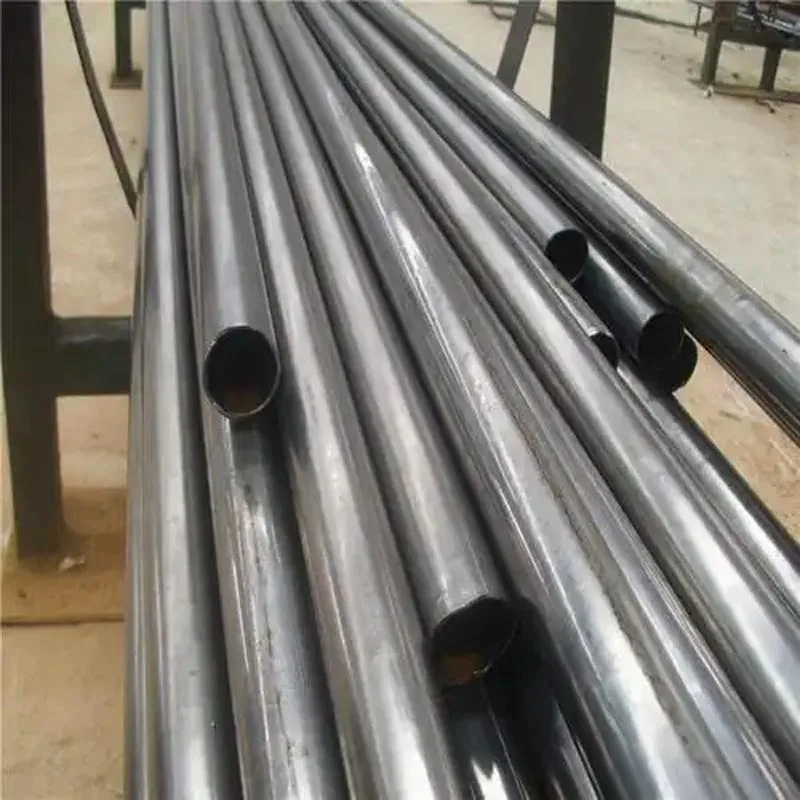
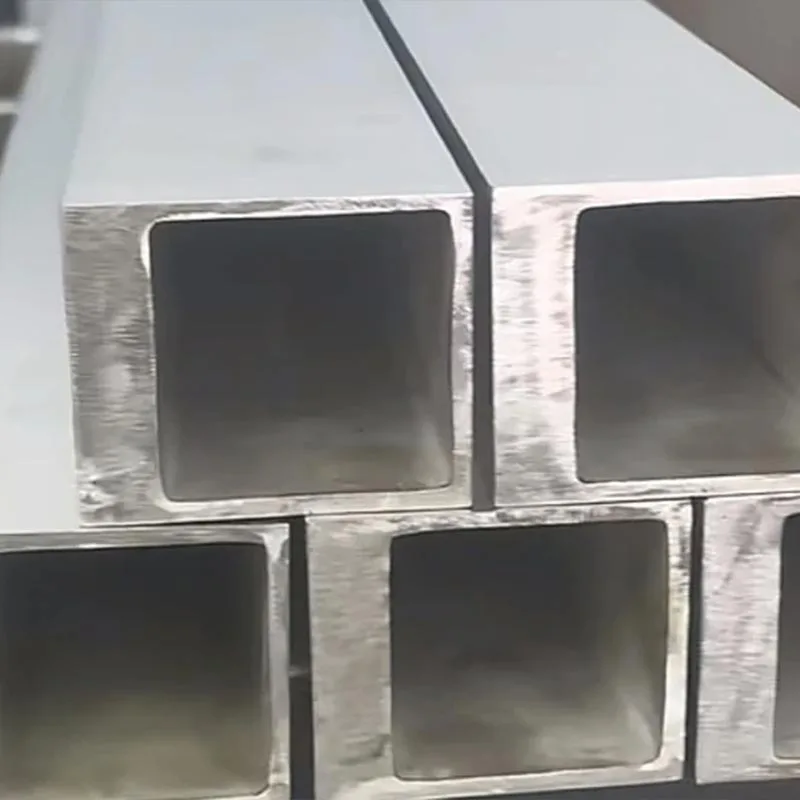
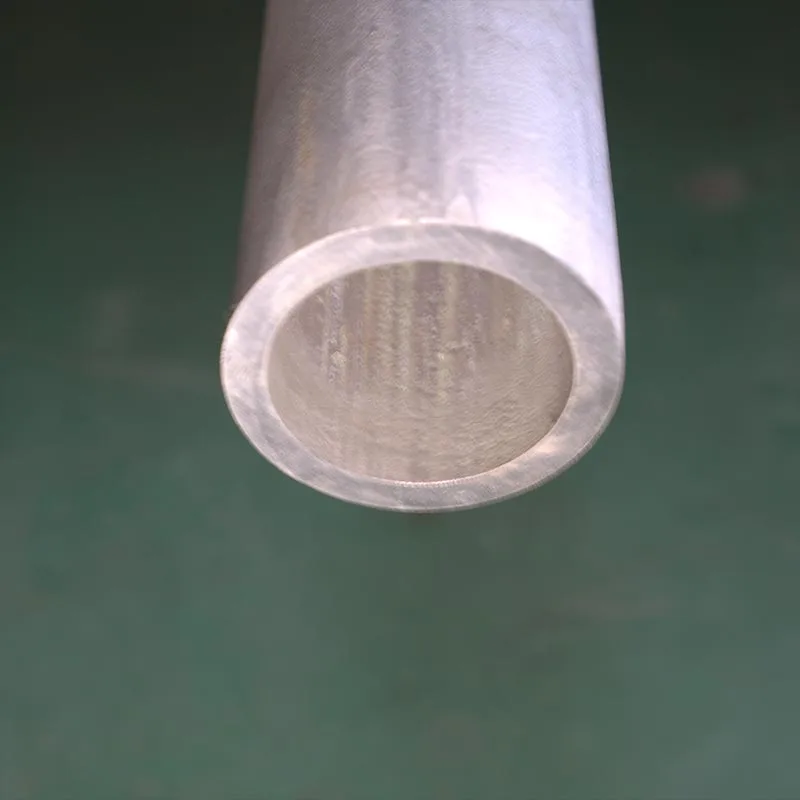
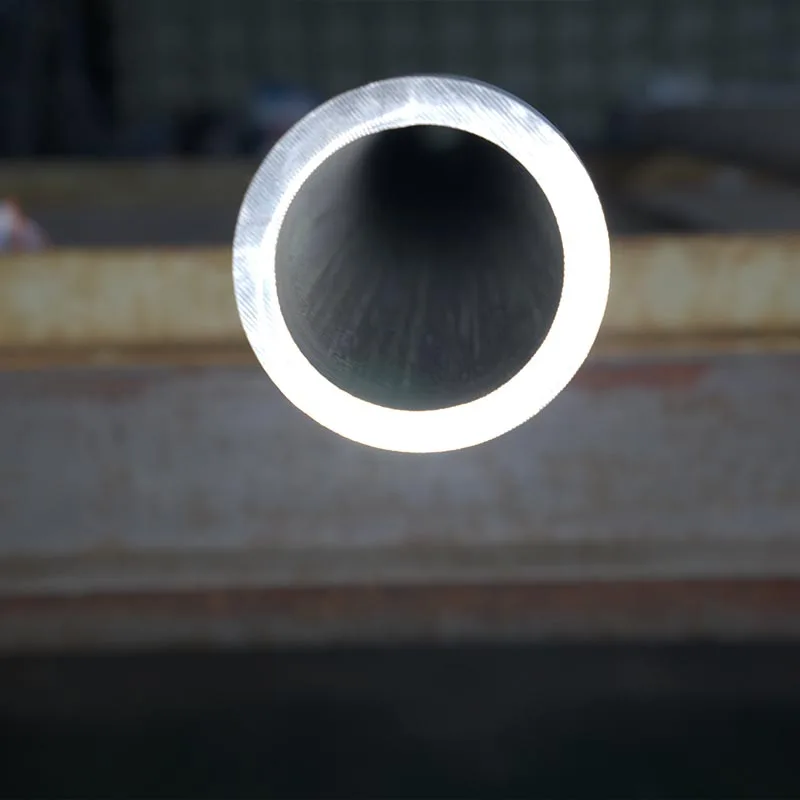
Semi-finished Nickel Alloy Seamless Tube
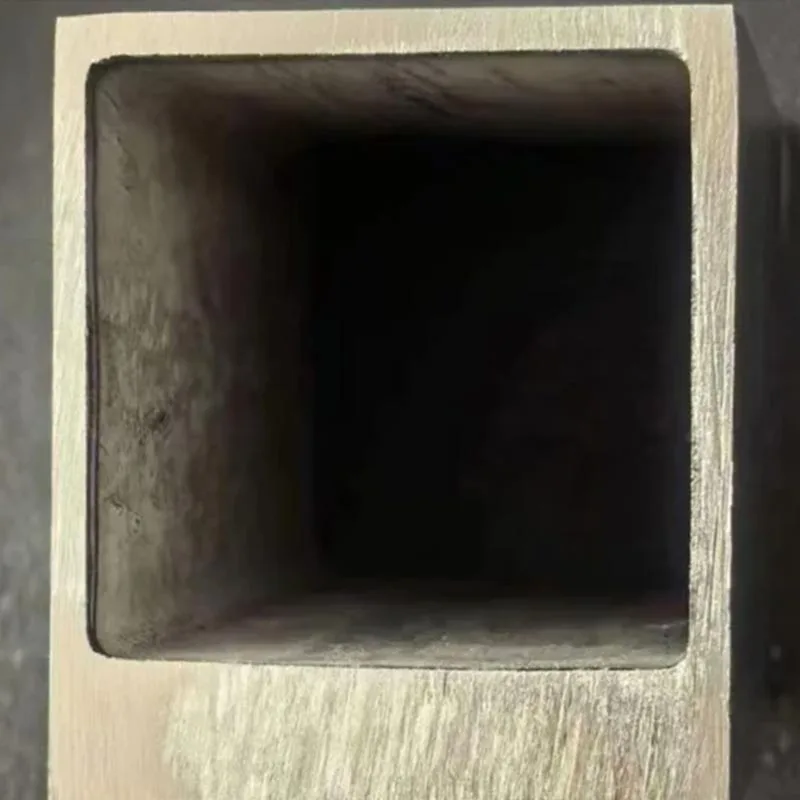
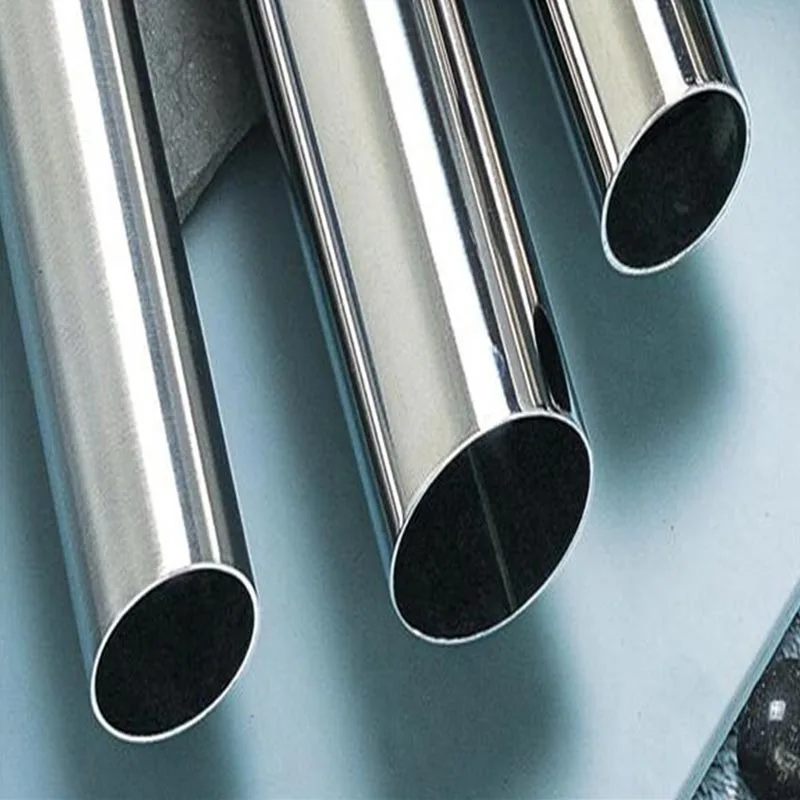
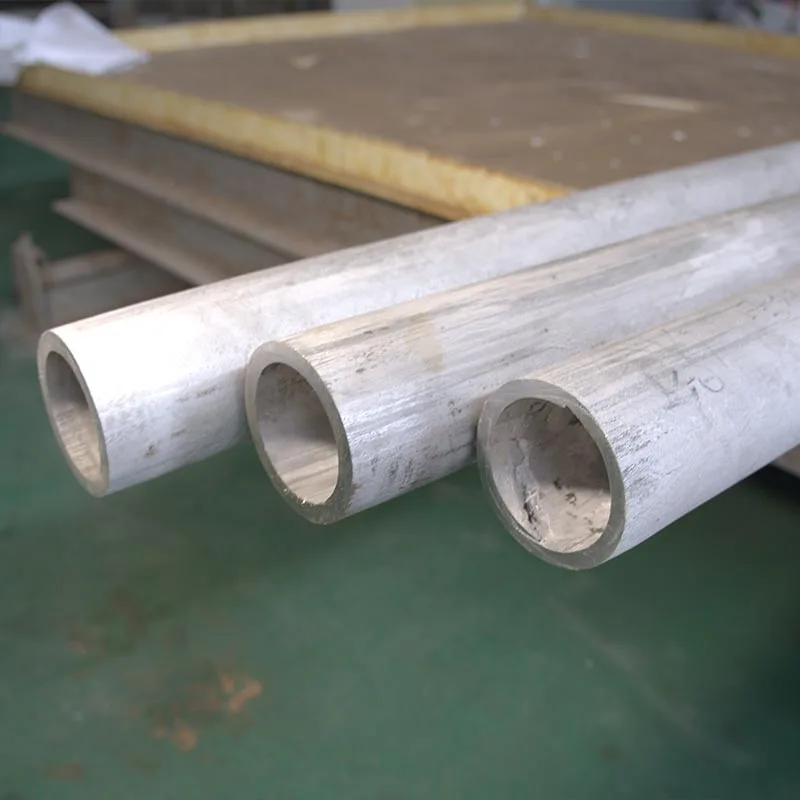
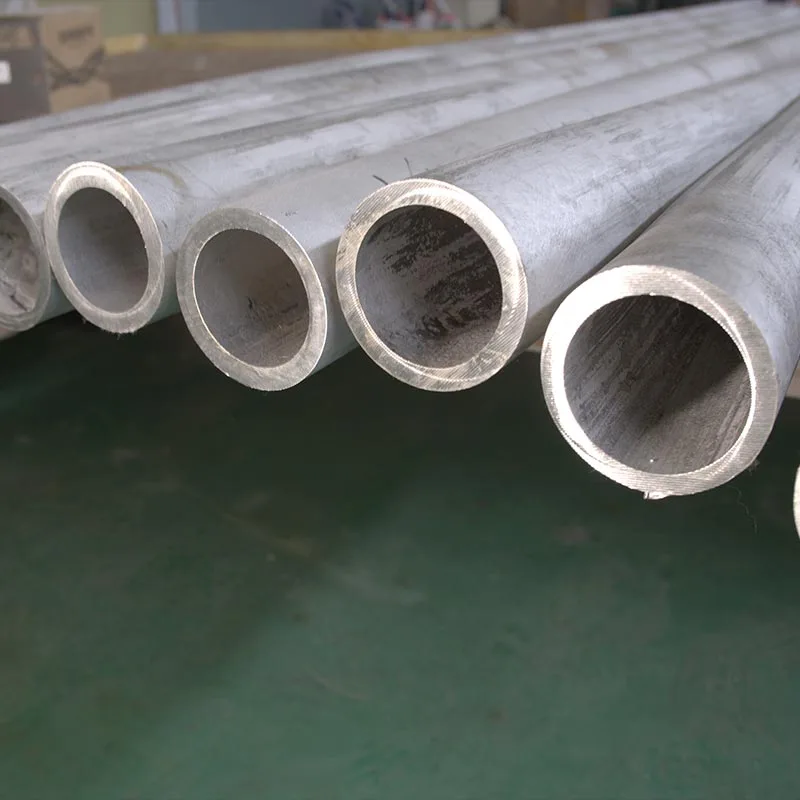
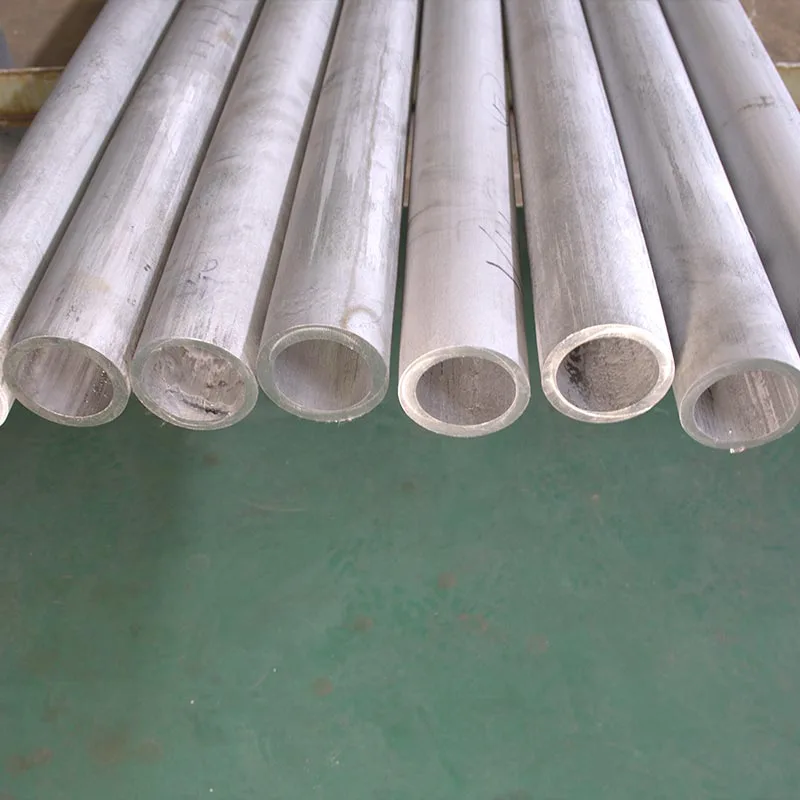
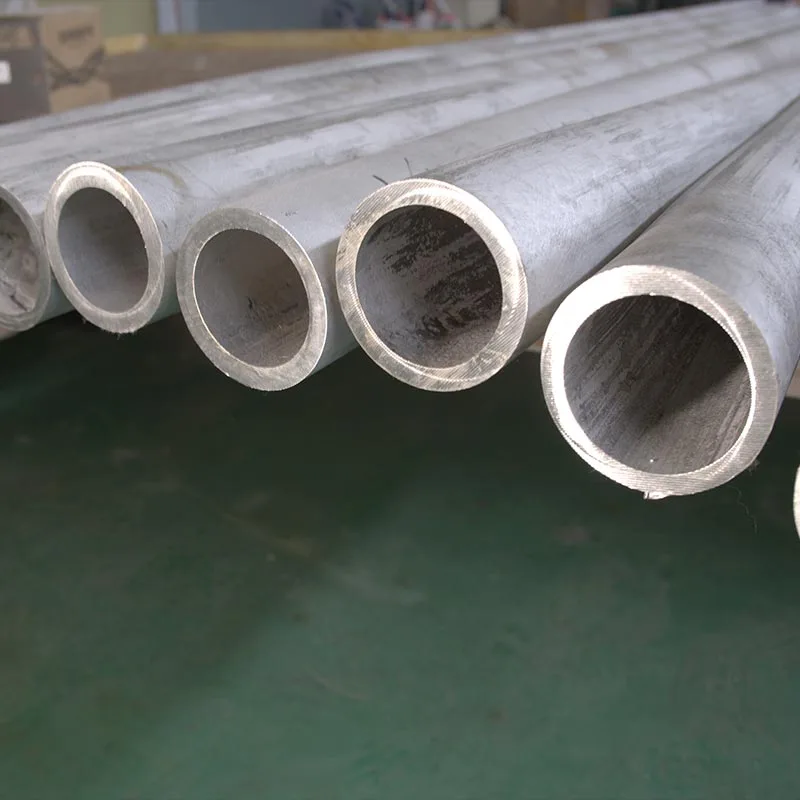
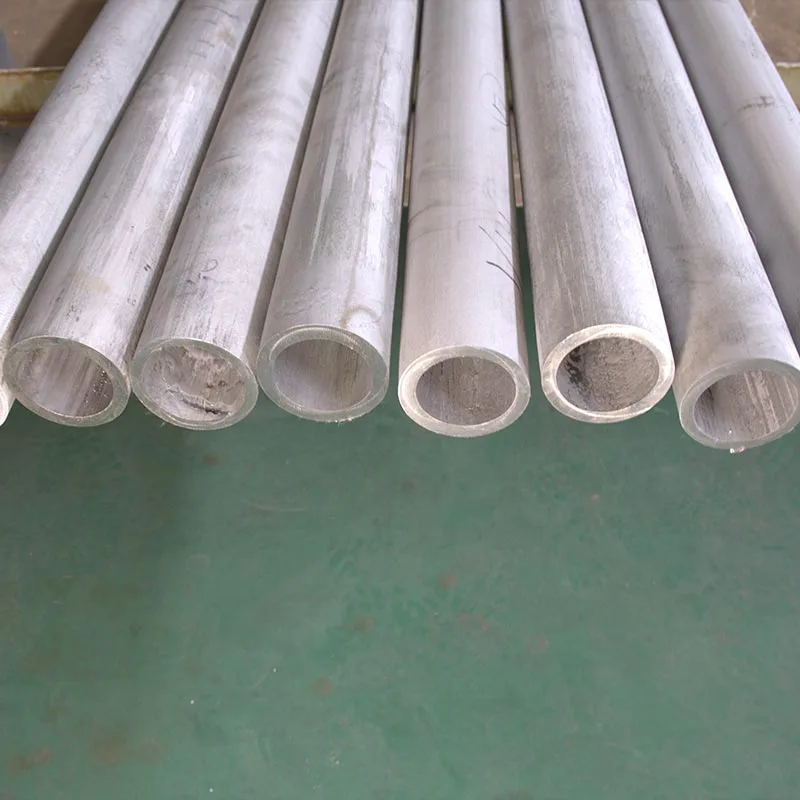
For tubular components requiring deep internal bores, a hollow blank can reduce stock removal compared with solid bar. JILAIDA, a nickel alloy tube manufacturer in China, supplies Semi-finished Nickel Alloy Seamless Tube with configurable OD, wall thickness, length and machining allowance for subsequent turning, boring and sizing.
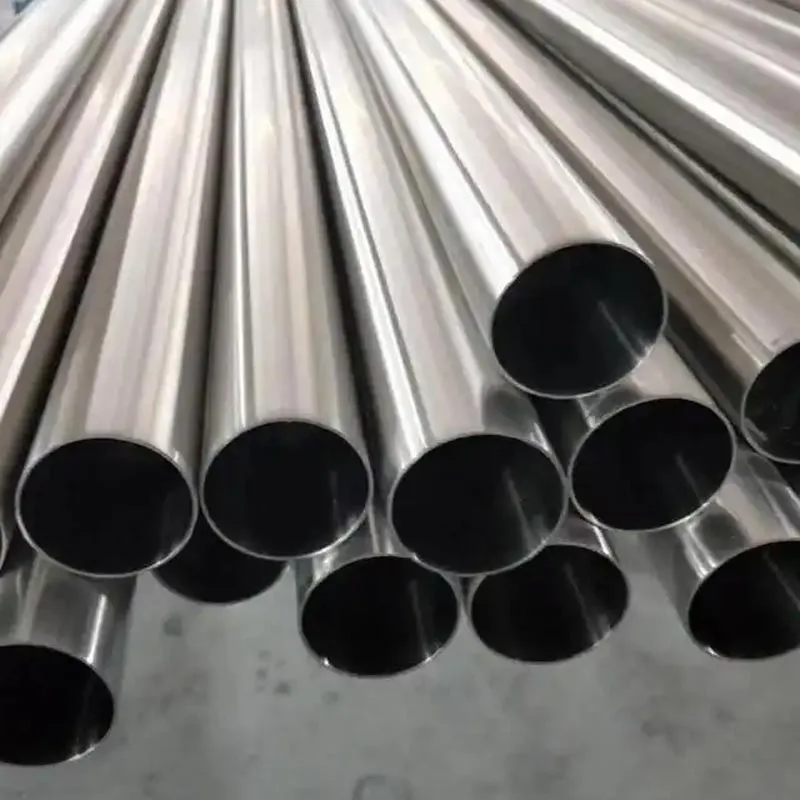
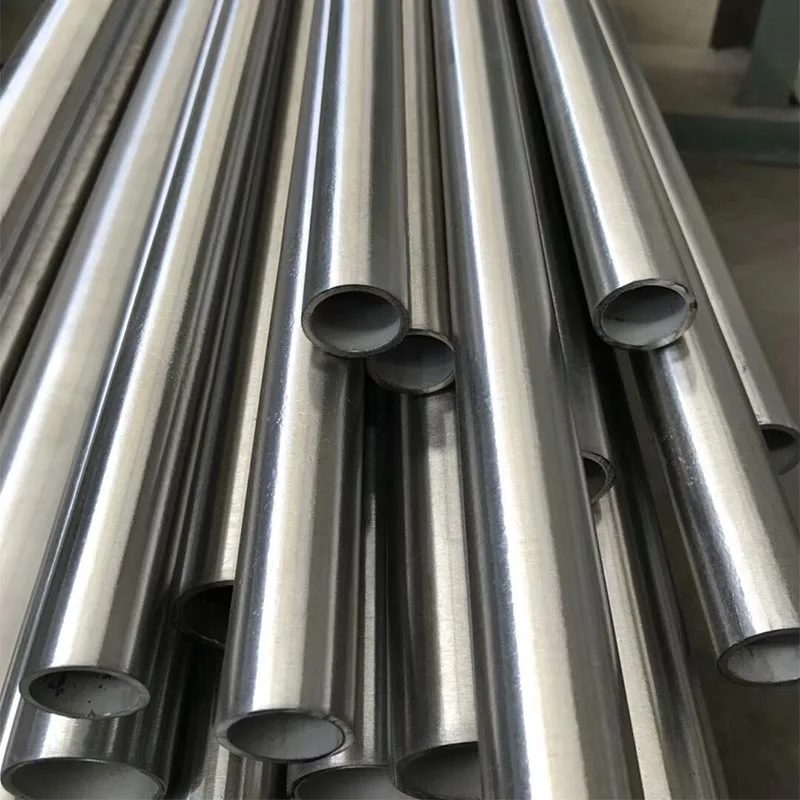
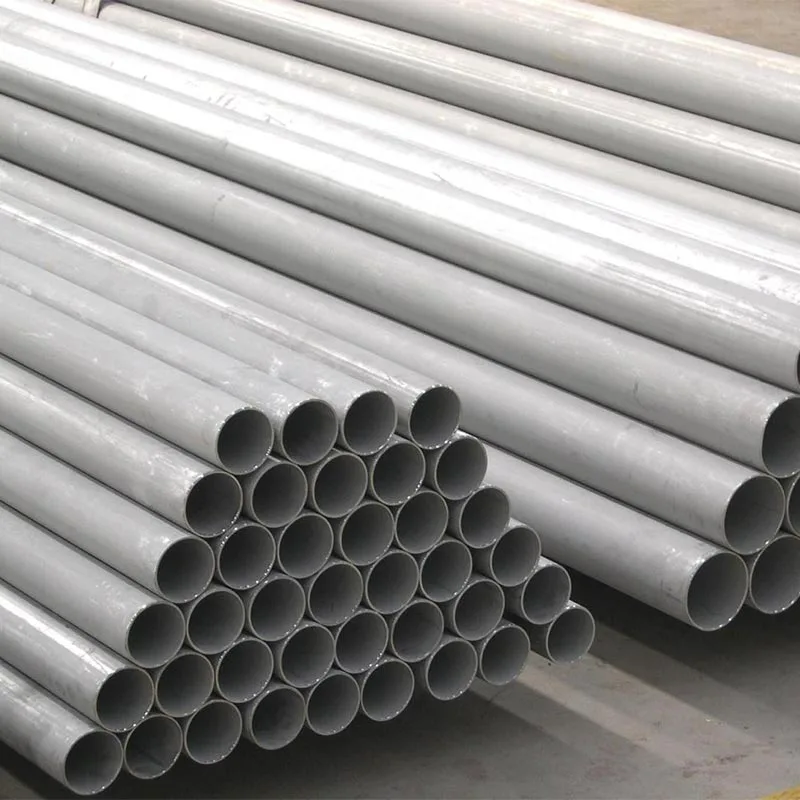
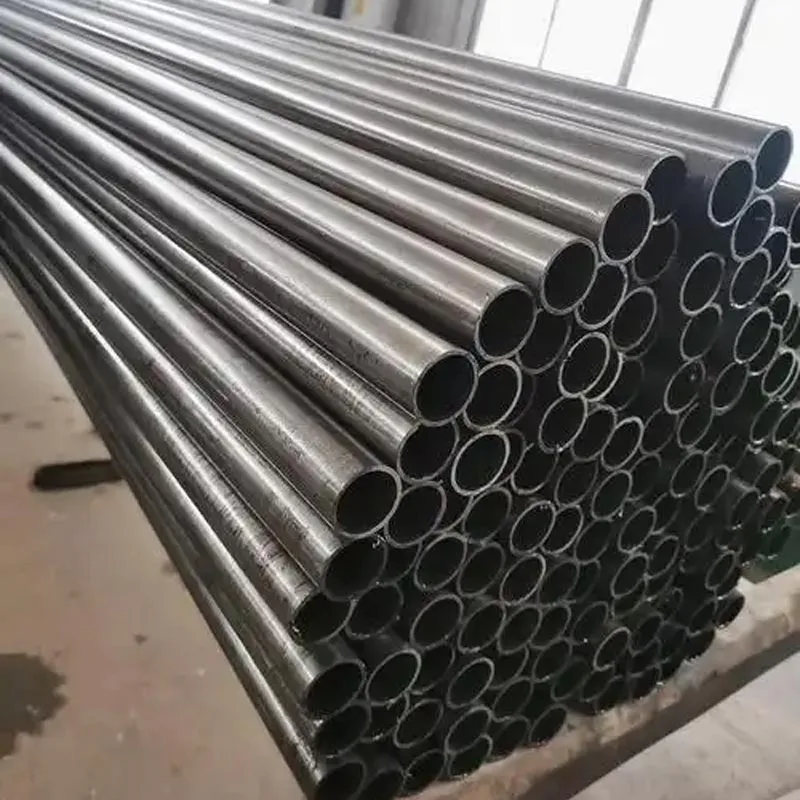
JILAIDA, a nickel-based alloy tube manufacturer in China, supplies Semi-finished Nickel Alloy Seamless Tube as a hot-extruded hollow blank for downstream machining. Unlike solid round bar, the tubular starting section already contains an internal bore, making it particularly useful for components requiring substantial internal boring, external turning or a combination of machining operations. Available material grades include Inconel 625, Inconel 718, Hastelloy C-276, Hastelloy X and Monel 400, with OD, wall thickness, length and machining allowance specified around the finished component geometry.
Key Features
Hollow Starting Geometry
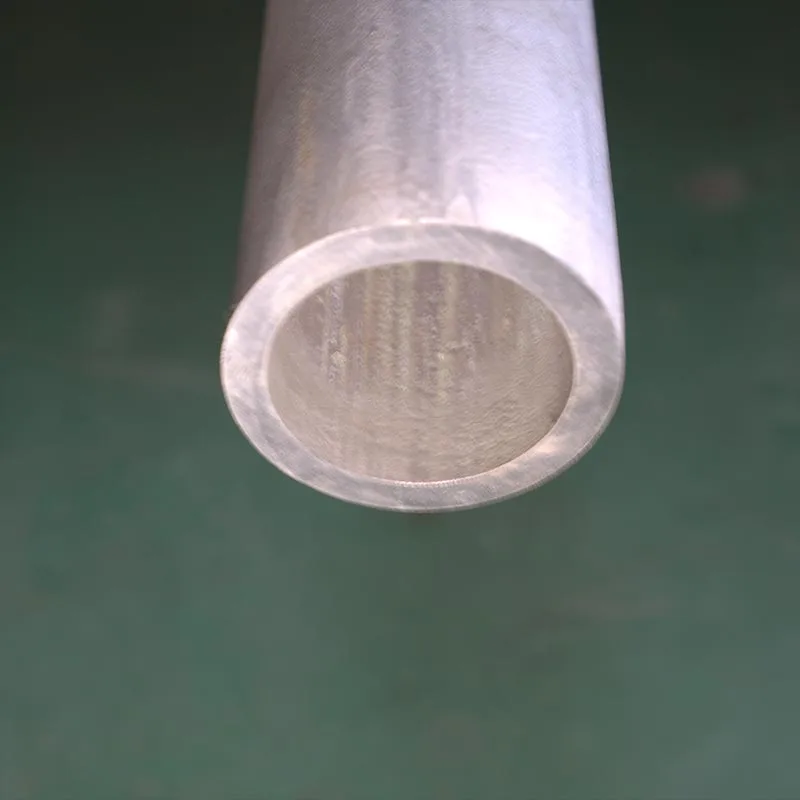
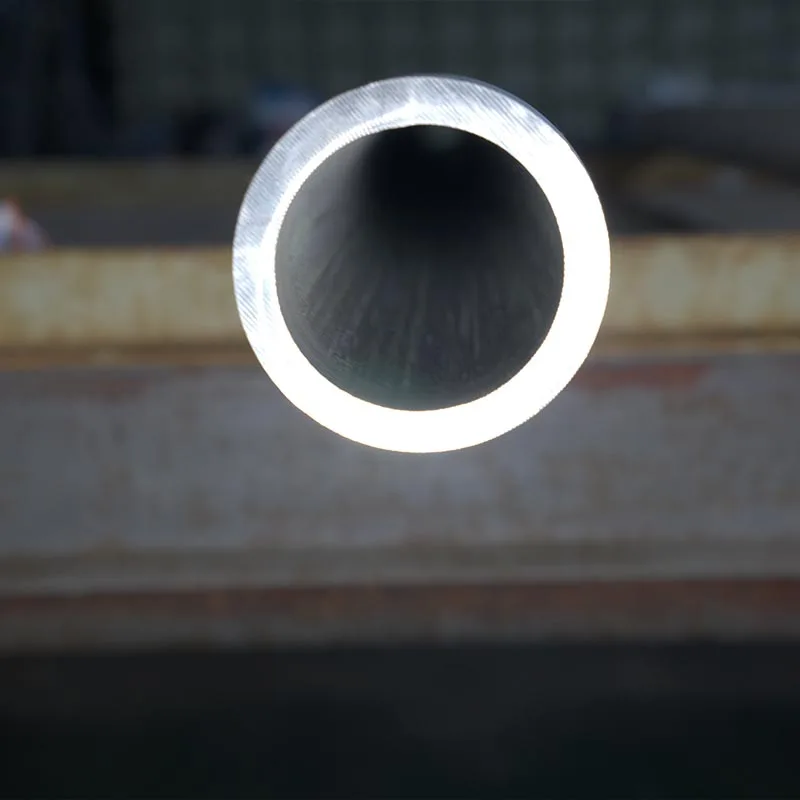
An extruded internal bore reduces the amount of material that must be removed when producing tubular components from solid stock.
Wide Dimensional Range
OD ranges from 10 to 420 mm, with wall thicknesses from 2 to 55 mm for different tubular component geometries.
Machining Allowance
A typical allowance of 1–3 mm per side provides additional stock for subsequent turning, boring and dimensional finishing.
Multiple Nickel Alloy Grades
Inconel 625, Inconel 718, Hastelloy C-276, Hastelloy X and Monel 400 cover different strength, temperature and corrosion requirements.
Hot-Extruded Seamless Structure
Formed from billet through hot extrusion, producing a hollow tube without a longitudinal welded seam.
Material Traceability
EN 10204 3.1 material test documentation and heat identification support material verification during downstream manufacturing.
Why Start with a Hollow Tube Blank?
Nickel-based alloys are selected for demanding service conditions, but their machining characteristics and material costs make starting geometry an important part of component production. When the finished part contains a large internal bore, machining it from solid round bar can require substantial drilling, boring and material removal.
A semi-finished hollow tube provides an existing internal passage, allowing subsequent machining to focus on the required outside dimensions, inside diameter, wall thickness, end geometry and surface finish.
Compared with Solid Round Bar
- The internal bore is already formed in the starting blank.
- Less bulk material removal may be required for tubular components.
- The initial OD and wall thickness can be selected closer to the finished geometry.
- Machining operations can focus on dimensional finishing rather than creating the entire hollow section from solid stock.
Suitable for Multiple Machining Operations
The hollow blank can be used as starting material for external turning, internal boring, drilling, facing, sizing and other component-finishing operations. Its value is especially clear in parts where the internal passage occupies a substantial proportion of the final cross-section.
For components requiring a solid starting section instead, JILAIDA also supplies Nickel Based Alloy Forged Round Bar.
Available Nickel Alloy Grades
Different nickel alloys provide different combinations of corrosion resistance, high-temperature performance and mechanical strength. The material range covers several commonly used grades for demanding industrial components.
Inconel 625
A nickel-chromium-molybdenum alloy with niobium, known for its corrosion resistance and strength. Used in offshore equipment, chemical processing and corrosion-resistant tubular components.
Inconel 718
A precipitation-hardenable nickel alloy developed for high mechanical strength and fatigue resistance. Commonly used in turbine-related, aerospace and downhole components.
Hastelloy C-276
A nickel-molybdenum-chromium alloy selected for demanding chemical-processing environments involving aggressive corrosive media.
Hastelloy X
A high-temperature nickel-based alloy used in selected combustion equipment and industrial components requiring elevated-temperature strength and oxidation resistance.
Monel 400
A nickel-copper alloy used in marine equipment and chemical-handling components where seawater resistance and performance in many reducing environments are important.
Additional Alloy Grades
Other nickel-based alloy grades can also be considered as part of JILAIDA's tubular material range, according to the required material specification.
Hot Extrusion Manufacturing Process
Production starts with alloy billet preparation. The billet is heated and formed through hot extrusion tooling to produce the initial hollow geometry. Subsequent operations establish the required material condition, dimensions and surface state of the supplied tube blank.
01. Billet Preparation
The billet is selected according to the required nickel alloy grade and material specification. VIM + VAR billet stock is used where specified.
02. Hot Extrusion
The heated billet is pressed through extrusion tooling to form the initial seamless hollow tube, establishing its OD, wall thickness and internal bore.
03. Heat Treatment and Straightening
Heat treatment and straightening establish the required material condition and dimensional characteristics according to the alloy grade and supply specification.
04. Surface Treatment
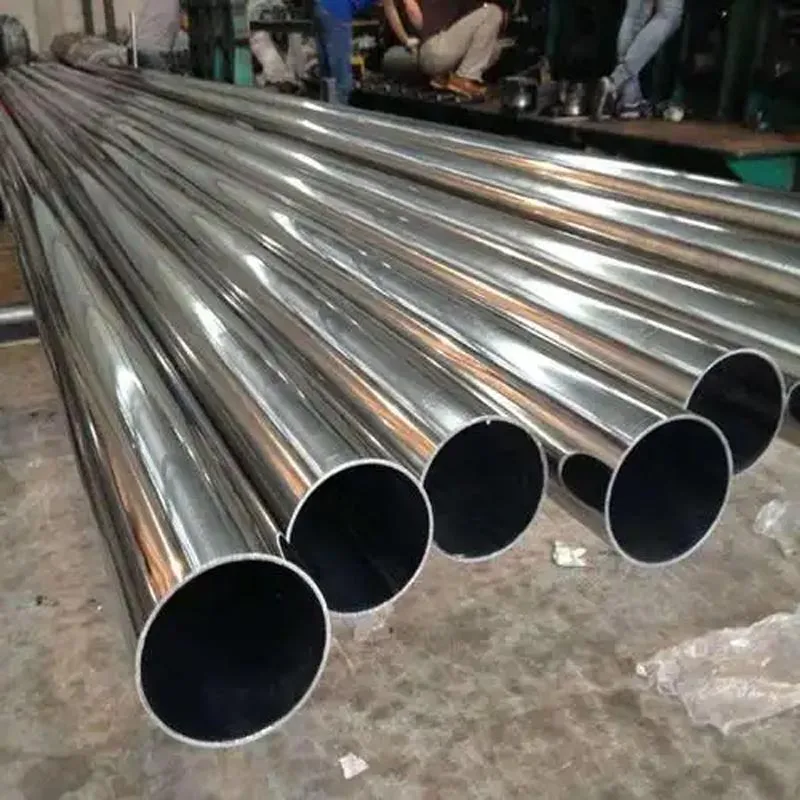
The blank can be supplied with an as-extruded or pickled surface condition, according to the intended downstream processing requirements.
Dimensions and Machining Allowance
The dimensions of a semi-finished tube blank directly influence the amount of material available for subsequent machining. OD, wall thickness and length should reflect the finished component geometry and the machining operations required to reach the final dimensions.
Typical machining allowance: 1–3 mm per side
Additional stock is available for dimensional finishing of the external surface and internal bore. This range provides a reference for preliminary blank design across the listed product range.
For components involving deep boring or considerable external turning, the starting hollow section can bring the material closer to the required finished dimensions than solid stock. This helps reduce unnecessary machining volume, particularly with high-alloy materials.
Inspection and Material Traceability
Material identity and mechanical properties are important throughout the production of nickel alloy components. JILAIDA supplies material documentation and inspection information to support the verification of the tube blank before downstream machining.
Inspection Items
- Dimensional inspection: Outside diameter, wall thickness and length.
- Chemical composition: Verification of the specified alloy grade.
- Mechanical properties: Tensile strength, yield strength, elongation and hardness.
- Ultrasonic inspection: Available according to the required inspection specification.
- Hydrostatic or pneumatic testing: Available where required by the product specification.
Material Documentation
EN 10204 3.1 MTC
Material test documentation covering the relevant chemical composition and mechanical test results.
Heat Number Traceability
Heat identification connects the supplied blank with its corresponding material records.
Inspection Records
Dimensional, material and supplementary testing records form part of the agreed documentation package.
Third-party inspection through SGS, BV or TÜV can also be arranged as part of the inspection requirements.
CNC Machining Applications
The hollow cross-section is particularly suitable for machining routes that require both an external cylindrical surface and an internal bore. Different nickel alloy grades also allow the blank to serve components operating under different temperature and corrosion conditions.
Turning and Boring Components
Hollow starting stock for parts requiring external turning, internal boring, facing and dimensional finishing.
High-Strength Industrial Parts
Inconel 718 blanks for machined components requiring high mechanical strength and fatigue resistance.
Offshore and Marine Equipment
Selected Inconel 625 and Monel 400 grades for components exposed to seawater and demanding marine conditions.
Chemical Processing Equipment
C-276 and other corrosion-resistant alloy blanks for machined components used in chemical-processing equipment.
High-Temperature Components
Hastelloy X and other suitable nickel alloy grades for selected industrial components exposed to elevated temperatures.
Precision Tubular Assemblies
Hollow blanks for components requiring defined inside and outside dimensions after subsequent machining.
For finished tubular products, see JILAIDA's Hot Finished Nickel Based Alloy Seamless Pipe range.
Supply Range
| Parameter | Specification |
| Product | Semi-finished Nickel Alloy Seamless Tube |
| Typical Alloy Grades | Inconel 625 / Inconel 718 / Hastelloy C-276 / Hastelloy X / Monel 400 |
| Billet Route | VIM + VAR billet stock where specified |
| Blank OD Range | 10–420 mm, subject to alloy and production review |
| Blank Wall Thickness | 2–55 mm, subject to alloy and production review |
| Typical Machining Allowance | 1–3 mm per side, subject to blank size, alloy and final requirements |
| Supply Condition | According to alloy and confirmed order specification |
| Documentation | EN 10204 3.1 MTC and agreed inspection records |
Frequently Asked Questions
Q1: What is a semi-finished nickel alloy seamless tube used for?
It is a hot-extruded hollow blank used as starting material for subsequent turning, boring, drilling, sizing and other machining operations.
Q2: What is the advantage of a hollow blank over solid round bar?
The hollow section already contains an internal bore, reducing the amount of material that must be removed when manufacturing components with substantial internal passages.
Q3: Which alloy grades are available?
Common grades include Inconel 625, Inconel 718, Hastelloy C-276, Hastelloy X and Monel 400.
Q4: Is the tube supplied as a finished precision product?
No. This product is supplied as a semi-finished hollow blank for subsequent machining and dimensional finishing.
Q5: What is the typical machining allowance?
The typical reference range is 1–3 mm per side, providing additional stock for subsequent external and internal machining operations.
Q6: Can material certificates be supplied?
Yes. EN 10204 3.1 MTC, heat number traceability and relevant inspection records are available as part of the product documentation.
Q7: What information is needed for a quotation?
Provide the alloy grade, OD, wall thickness, required length, machining allowance, supply condition, quantity and inspection requirements. A finished component drawing is useful for determining the starting blank geometry.
Request a Nickel Alloy Tube Blank Quotation
JILAIDA supplies hot-extruded nickel alloy hollow blanks for CNC machining and industrial component manufacturing. Send the finished component drawing, required alloy grade and dimensional requirements to discuss the suitable starting geometry and quotation.
Send Your Inquiry
Send Inquiry
Contact Info
-
Address
No. 521 Zhonghui Road, Huishan District, Wuxi City, Jiangsu Province, China
-
Tel
-
Email
Request a quotation from JILAIDA, a professional stainless steel and nickel based alloy seamless pipes and nickel based alloy forged round bar manufacturer in China. Get factory price, customized solutions and reliable supply.
News Recommendations