
Products
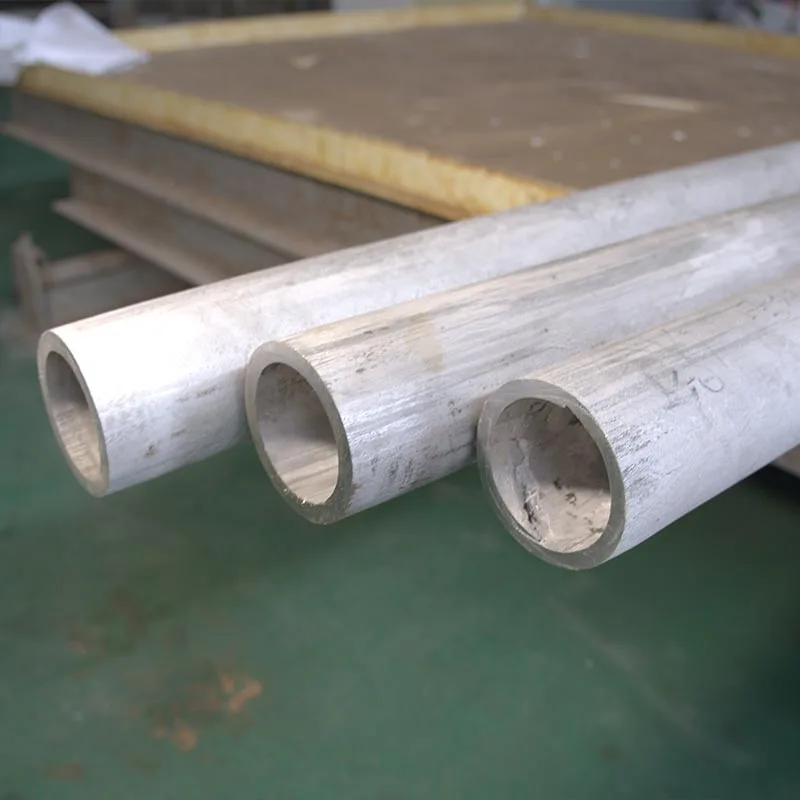
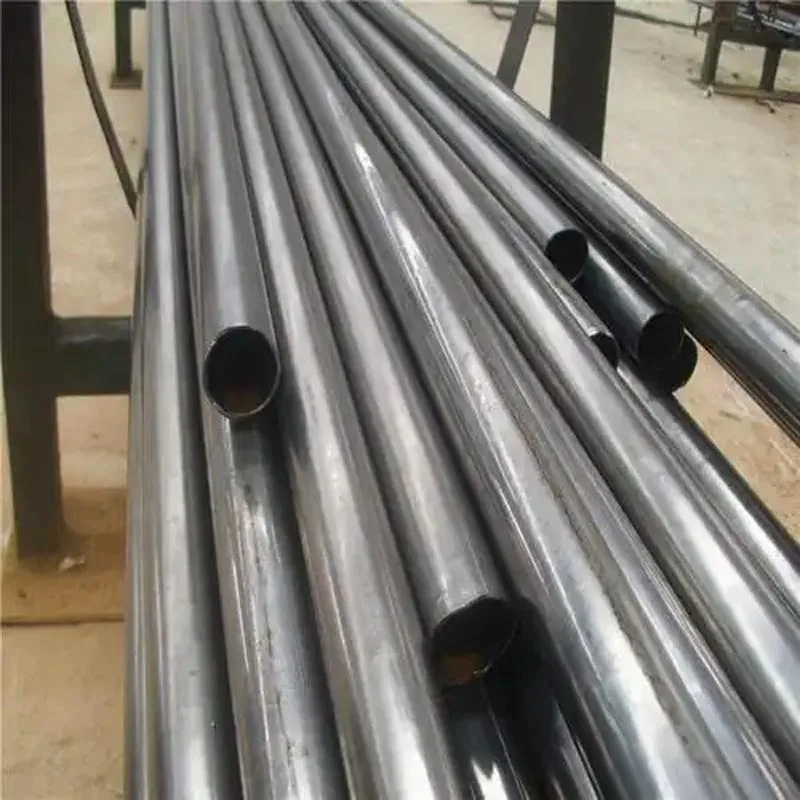
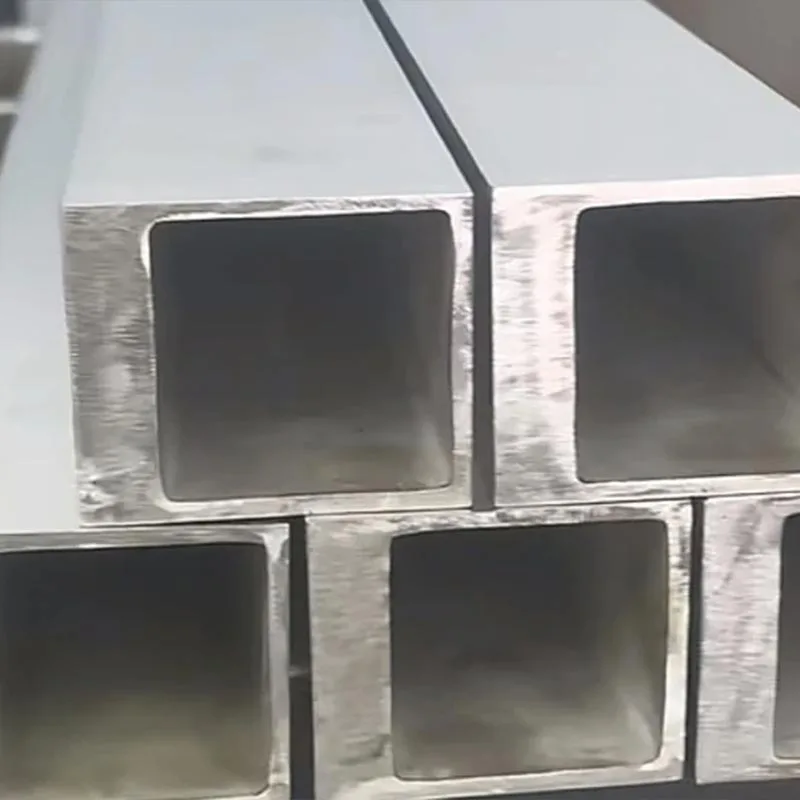
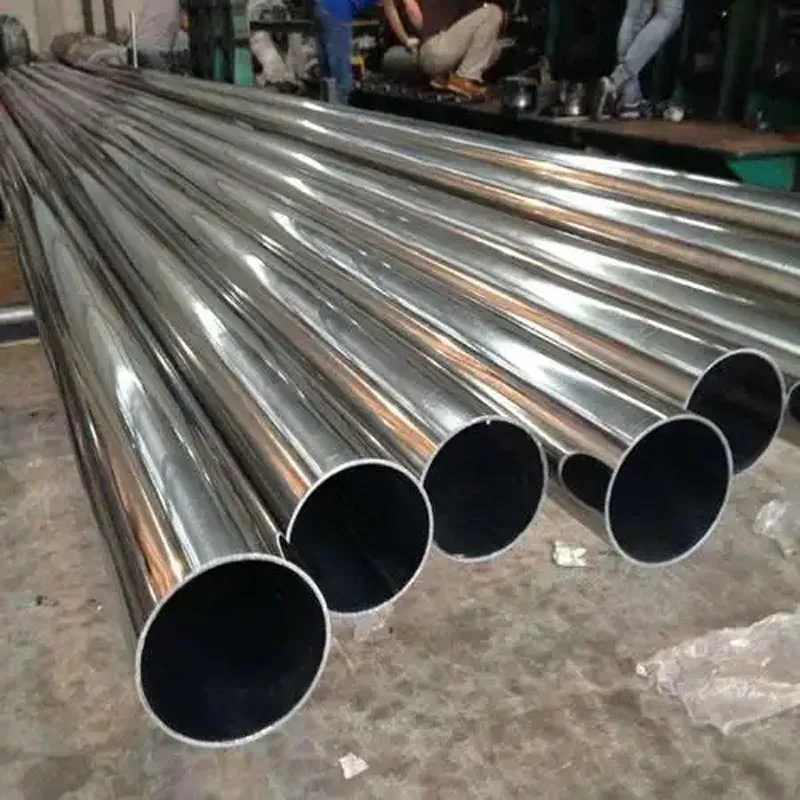
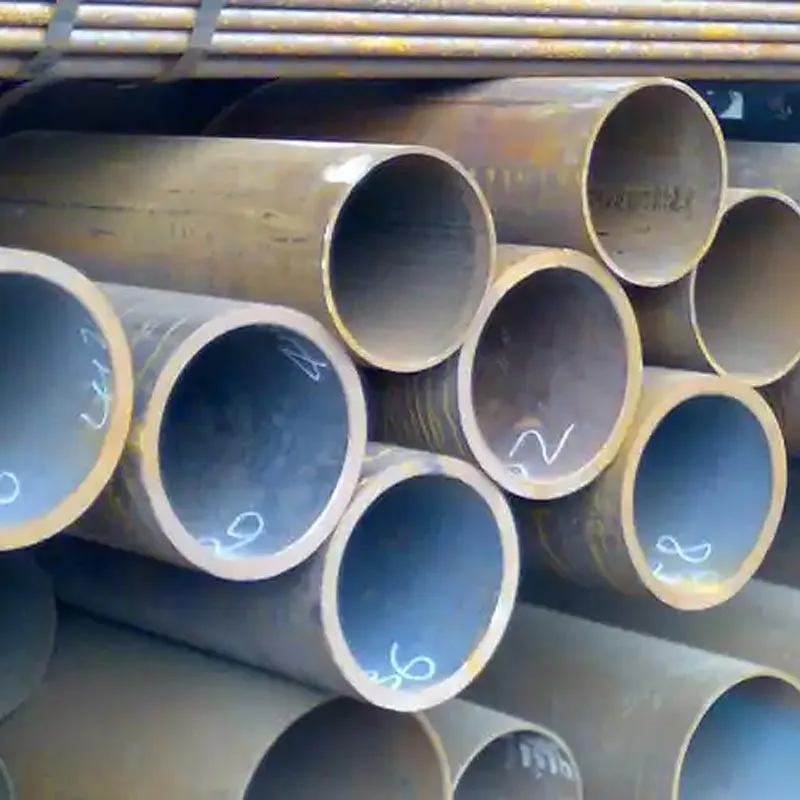
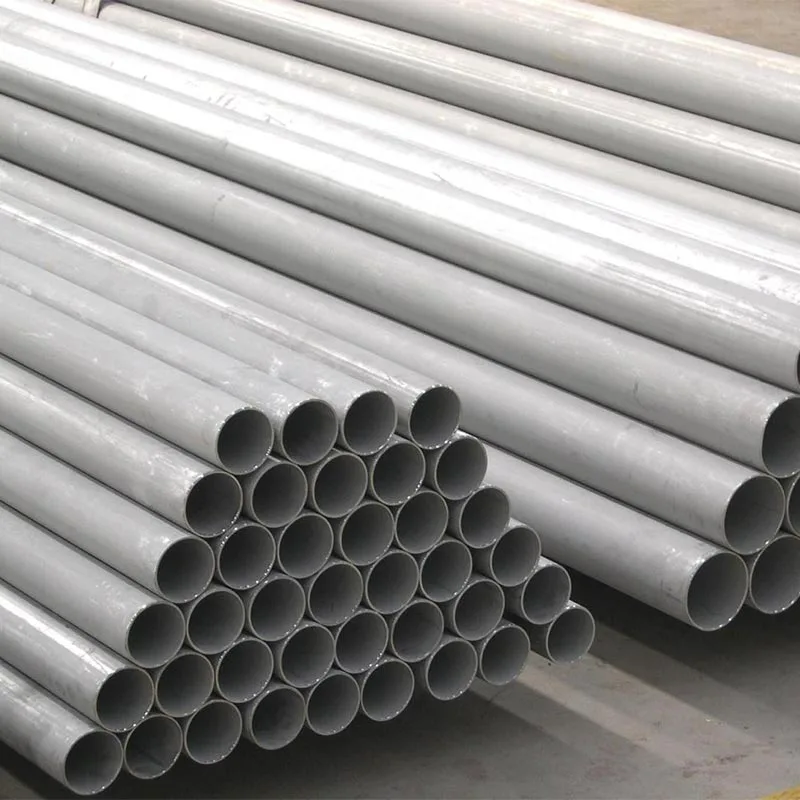
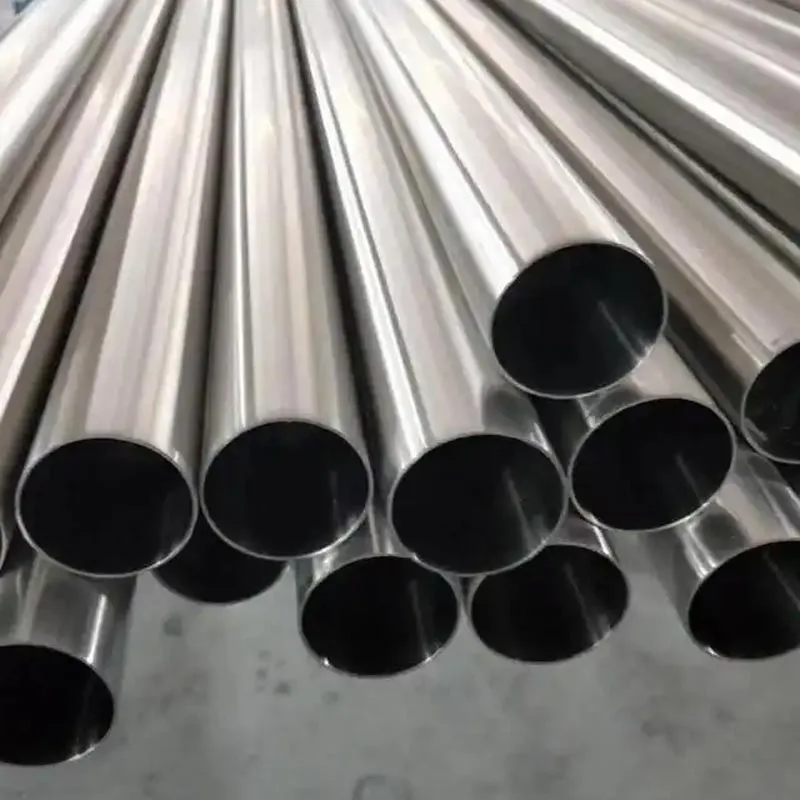
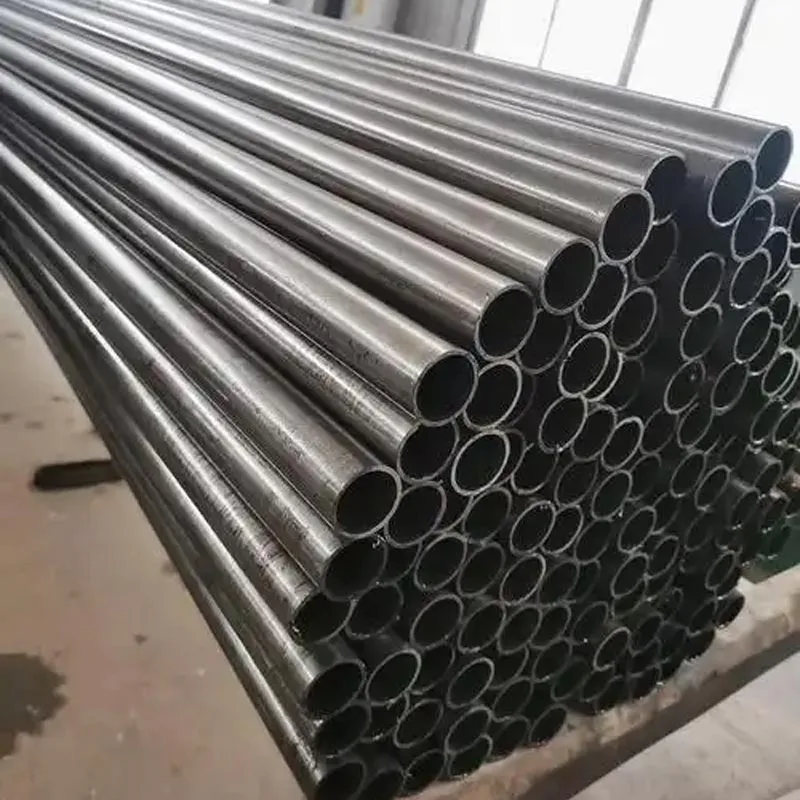
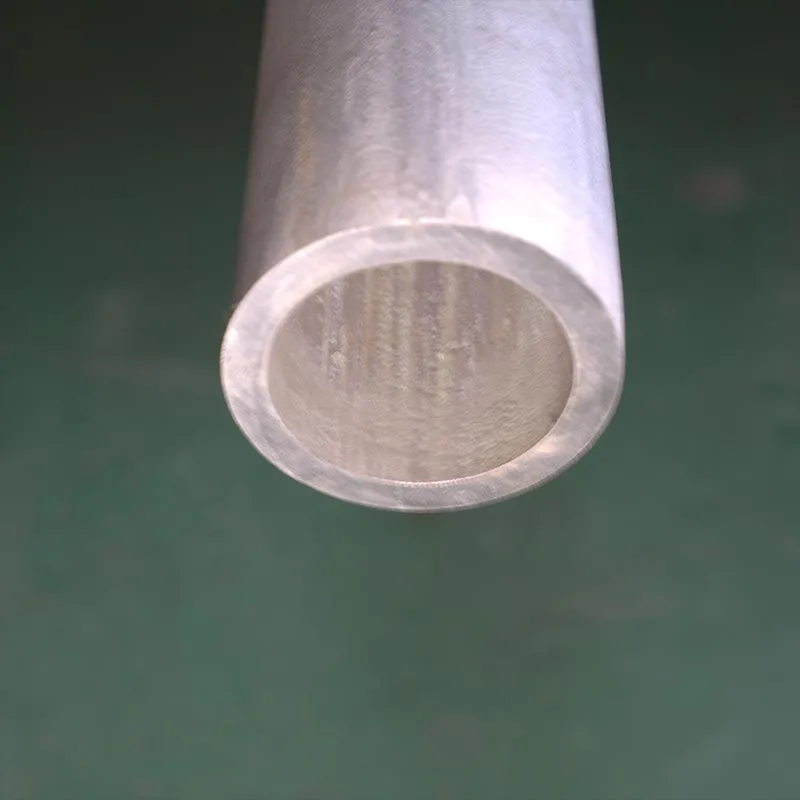
GH4169 Seamless Pipe
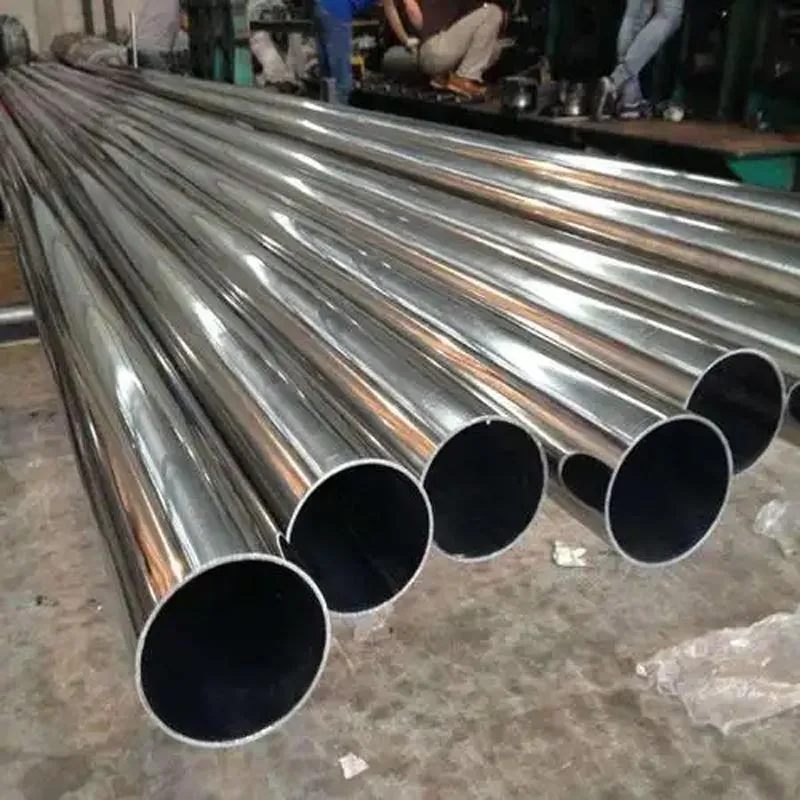
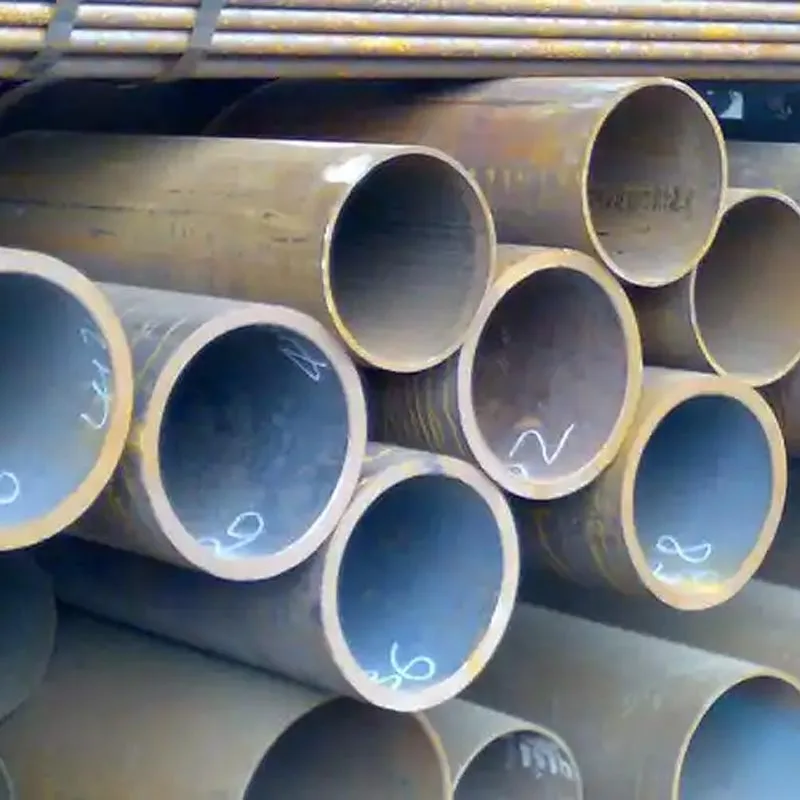
The strength of GH4169 comes from its controlled precipitation-hardening structure, with γ′ and γ″ phases supporting demanding mechanical and thermal service. JILAIDA, a nickel alloy pipe manufacturer in China, supplies GH4169 Seamless Pipe in 6–406 mm OD and 1–50 mm wall thickness for aerospace, turbine and industrial equipment applications.
GH4169 is a precipitation-hardenable nickel-iron-chromium superalloy commonly corresponding to Inconel 718 (UNS N07718 / W.Nr. 2.4668). As a China manufacturer of nickel-based alloy tubing, JILAIDA produces GH4169 Seamless Pipe through hot extrusion using VIM + VAR billet stock. Its combination of high mechanical strength, fatigue resistance and elevated-temperature performance makes the alloy suitable for tubular components in aerospace engines, gas turbines, oilfield equipment and specialized industrial systems. Available dimensions cover 6–406 mm outside diameter and 1–50 mm wall thickness.
Key Features
Precipitation-Hardening Strength
The formation of γ' and γ'' strengthening phases during aging provides high yield strength and resistance to mechanical deformation. A yield strength of at least 1034 MPa is specified for the aged condition in the stated product data.
Seamless Hot-Extruded Structure
Formed from solid nickel alloy billet without a longitudinal welded seam or welding-related heat-affected zone.
Elevated-Temperature Strength
Retains useful mechanical strength and creep-rupture performance in high-temperature applications, including selected turbine and aerospace components.
Fatigue Resistance
Offers favorable resistance to cyclic mechanical loading and thermal fatigue in components exposed to repeated operating cycles.
Cryogenic Performance
Maintains useful strength and toughness at low temperatures, supporting selected cryogenic and aerospace applications.
Wide Dimensional Range
Available in 6–406 mm OD and 1–50 mm wall thickness, supporting different tubular component geometries and industrial requirements.
Precipitation Hardening and Material Characteristics
GH4169 belongs to the nickel-iron-chromium family of precipitation-hardenable superalloys. Its alloy composition includes significant amounts of niobium, molybdenum, chromium and nickel, together with titanium and aluminum for precipitation strengthening.
Its high mechanical strength develops through controlled aging. Fine gamma-double-prime (γ'') precipitates, primarily based on Ni3Nb, provide the principal strengthening effect, while gamma-prime (γ') phases based on Ni3(Al,Ti) contribute additional strengthening.
Material Identification
Chinese Grade: GH4169
UNS: N07718
Werkstoff Number: 2.4668
International Trade Name: Inconel 718
Alloy Family: Nickel-Iron-Chromium Superalloy
Strengthening Mechanism: Precipitation Hardening
This microstructure provides a combination of high tensile strength, fatigue resistance and stress-rupture performance. Unlike conventional solid-solution-strengthened nickel alloys, the mechanical properties of GH4169 respond strongly to the solution-treatment and aging sequence.
Seamless Hot Extrusion Manufacturing
The production process starts with VIM + VAR billet stock. Vacuum induction melting establishes the initial alloy composition, while vacuum arc remelting provides a further controlled melting stage for the specified material supply route.
The billet is heated and formed through specialized extrusion tooling to produce the required hollow tube geometry. This operation establishes the initial outside diameter, wall thickness and internal bore without creating a longitudinal welded joint.
01. VIM + VAR Billet Preparation
Nickel alloy billet stock is prepared through vacuum induction melting and vacuum arc remelting for the specified GH4169 material route.
02. Hot Extrusion
The heated billet passes through extrusion tooling to form the initial seamless hollow section with the required OD and wall distribution.
03. Solution Heat Treatment
Controlled solution treatment establishes the metallurgical condition before the precipitation-aging stage.
04. Precipitation Aging
The aging cycle develops the strengthening precipitates responsible for the alloy's high mechanical strength.
05. Straightening and Finishing
Straightening, surface finishing and dimensional processing establish the required finished tube geometry.
06. Inspection and Documentation
Material composition, mechanical properties, dimensions and specified non-destructive examination are recorded as part of product quality control.
The seamless construction of GH4169 Seamless Pipe is particularly relevant to tubular components subjected to pressure fluctuations, vibration and repeated mechanical loading. The absence of a longitudinal welded joint also removes the associated weld heat-affected zone from the tube wall.
Heat Treatment and Mechanical Properties
Heat treatment determines the final mechanical properties of GH4169. Solution treatment establishes the matrix condition, while the subsequent two-stage aging process develops the fine precipitates responsible for its high strength.
Typical Two-Stage Aging Process
First Aging Stage
720°C for 8 hours
Controlled Cooling
Furnace cooling to 620°C at approximately 50°C per hour
Second Aging Stage
620°C for 8 hours
Final Cooling
Air cooling to room temperature
The first aging stage promotes the precipitation of the primary γ'' strengthening phase. Further aging at 620°C contributes to the development of the strengthening microstructure and the balance of strength and ductility.
In the aged condition, the stated yield strength reference for this product is at least 1034 MPa. Tensile strength, elongation, hardness and elevated-temperature mechanical properties are determined by the supplied material condition and applicable product specification.
High-Temperature and Fatigue Performance
GH4169 is widely used in high-temperature engineering because its precipitation-strengthened structure maintains useful mechanical properties under combined thermal and mechanical loading.
Creep Resistance
The strengthened alloy structure resists time-dependent deformation under sustained mechanical stress at elevated temperatures.
Stress-Rupture Performance
Offers favorable resistance to rupture under sustained temperature and stress conditions in appropriately designed components.
Thermal Fatigue Resistance
Its mechanical strength and fatigue characteristics support components subjected to repeated heating, cooling and cyclic operation.
Many engineering applications use GH4169 around 650°C. Its high-temperature performance is also evaluated in selected shorter-duration service conditions approaching 700°C, with creep-rupture properties and stress exposure determining the applicable design range.
The alloy also retains useful mechanical properties at cryogenic temperatures, making it suitable for specialized low-temperature structural components and aerospace systems.
Product Applications
GH4169 Seamless Pipe is used in tubular components where high strength, fatigue resistance and performance under elevated mechanical and thermal loads are important. Its main application areas include aerospace engines, power generation and specialized oilfield equipment.
Aerospace and Aero-Engines
Used in selected engine-related tubular structures, high-temperature assemblies, bleed-air systems and components exposed to vibration and repeated thermal loading.
Gas Turbines and Power Generation
Suitable for selected turbine structures, high-temperature equipment parts and tubular assemblies operating under elevated thermal and mechanical stress.
Nuclear Equipment
Applied in selected structural supports, high-strength components and specialized equipment used in nuclear energy systems.
Oil and Gas Equipment
Used in downhole tool housings, MWD/LWD components, high-pressure equipment and selected subsea mechanical assemblies requiring high strength.
Key Specification Parameters
| Parameter | Specification |
| Material | GH4169 (Inconel 718 / UNS N07718 / W.Nr. 2.4668) |
| Grade Standard | GB/T 14992-2025 (Designation and Chemical Composition) |
| Seamless Tubing Standards | SAE AMS 5589H / SAE AMS 5590G, according to specified product condition |
| Outer Diameter | 6–406 mm |
| Wall Thickness | 1–50 mm |
| Manufacturing Process | VIM + VAR Billet / Hot Extrusion (Seamless) |
| Supply Condition | Solution Annealed / Solution Annealed + Aged |
| Yield Strength | ≥1034 MPa (Aged Condition, as specified) |
| Material Documentation | EN 10204 3.1 MTC with applicable heat-treatment records |
| Customization | Available according to dimensional and technical requirements |
Inspection and Material Traceability
Material composition, heat-treatment condition and mechanical test results are important quality characteristics for nickel-based superalloy tubing. JILAIDA's quality-control process covers material verification, dimensional inspection and the required testing documentation.
Material and Mechanical Testing
- Chemical Composition: Verification of nickel, chromium, iron, niobium, molybdenum, titanium and aluminum.
- Tensile Testing: Measurement of tensile strength, yield strength and elongation.
- Hardness Testing: Verification of hardness in the specified delivery condition.
- Dimensional Inspection: Measurement of outside diameter, wall thickness, length and related tolerances.
- Ultrasonic Testing: Examination according to ASTM E213 where specified.
- Eddy-Current Testing: Examination according to ASTM E426 where specified for nickel alloy tubing.
Quality Documentation
EN 10204 3.1 MTC
Mill test certificate containing the corresponding material and mechanical test information.
Heat Treatment Records
Documentation of the specified solution-treatment and aging processes.
Inspection Reports
Material, dimensional and specified non-destructive testing records for product verification.
Third-party inspection by SGS, BV or TÜV can also be arranged as part of the agreed quality inspection scope.
Ordering Information
GH4169 tubing specifications are defined by the final component dimensions, material condition and applicable technical standard. To prepare a quotation, the following information is useful:
- Required outside diameter and wall thickness.
- Tube length and dimensional tolerances.
- Applicable material and tubing standard.
- Solution-treated or aged delivery condition.
- Operating temperature and pressure.
- Mechanical property and inspection requirements.
- Required quantity.
JILAIDA's technical team reviews the dimensions, heat-treatment requirements and inspection scope against the intended tubular application before preparing the quotation.
Frequently Asked Questions
Q1: Is GH4169 the same alloy as Inconel 718?
GH4169 is the Chinese grade commonly corresponding to Inconel 718, UNS N07718 and W.Nr. 2.4668. These designations identify the same general nickel-based superalloy family, while individual product standards define the applicable delivery and testing requirements.
Q2: What is the main strengthening mechanism of GH4169?
GH4169 obtains its high strength through precipitation hardening. Fine γ'' and γ' phases develop during controlled aging, increasing the alloy's resistance to deformation and improving its mechanical properties.
Q3: Can GH4169 be used at 700°C?
GH4169 is commonly used in elevated-temperature applications around 650°C, with selected applications approaching 700°C. The alloy's creep-rupture properties and operating stress are important considerations for sustained high-temperature service.
Q4: What heat-treatment conditions are available?
The product can be supplied in solution-annealed or solution-annealed and aged conditions. A commonly used two-stage aging cycle consists of 720°C for 8 hours, furnace cooling to 620°C at approximately 50°C per hour, holding for another 8 hours and then air cooling.
Q5: What standards apply to GH4169 seamless tubing?
GB/T 14992-2025 identifies the alloy designation and chemical composition. SAE AMS 5589H and AMS 5590G are relevant international specifications for Inconel 718 seamless tubing, covering different solution-treatment conditions.
Q6: What non-destructive testing methods are available?
Ultrasonic testing according to ASTM E213 and eddy-current testing according to ASTM E426 can be incorporated into the inspection scope for nickel alloy tubing.
Q7: What information is needed for a quotation?
Provide the required diameter, wall thickness, length, delivery condition, applicable standard, mechanical properties and inspection requirements, together with the required quantity.
Request a GH4169 Pipe Quotation
JILAIDA supplies hot-extruded nickel-based superalloy seamless tubing for aerospace, turbine, nuclear and oilfield equipment. Submit your required dimensions, material condition and applicable technical specification for a product quotation.
Technical drawings and inspection requirements can be included to define the required material and production scope.
Send Your Inquiry
Send Inquiry
Contact Info
-
Address
No. 521 Zhonghui Road, Huishan District, Wuxi City, Jiangsu Province, China
-
Tel
-
Email
Request a quotation from JILAIDA, a professional stainless steel and nickel based alloy seamless pipes and nickel based alloy forged round bar manufacturer in China. Get factory price, customized solutions and reliable supply.
News Recommendations