Products
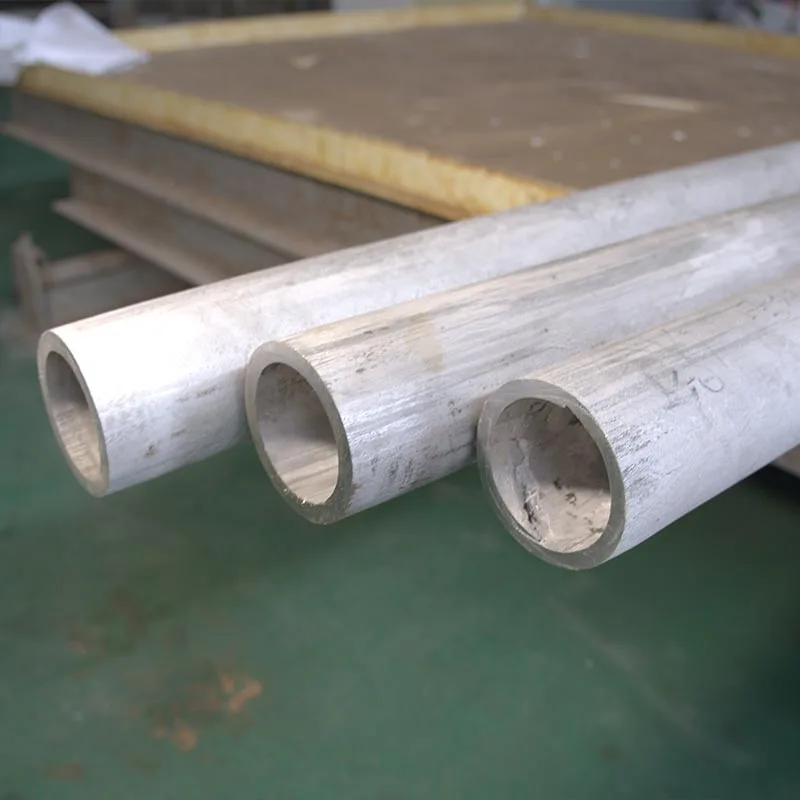
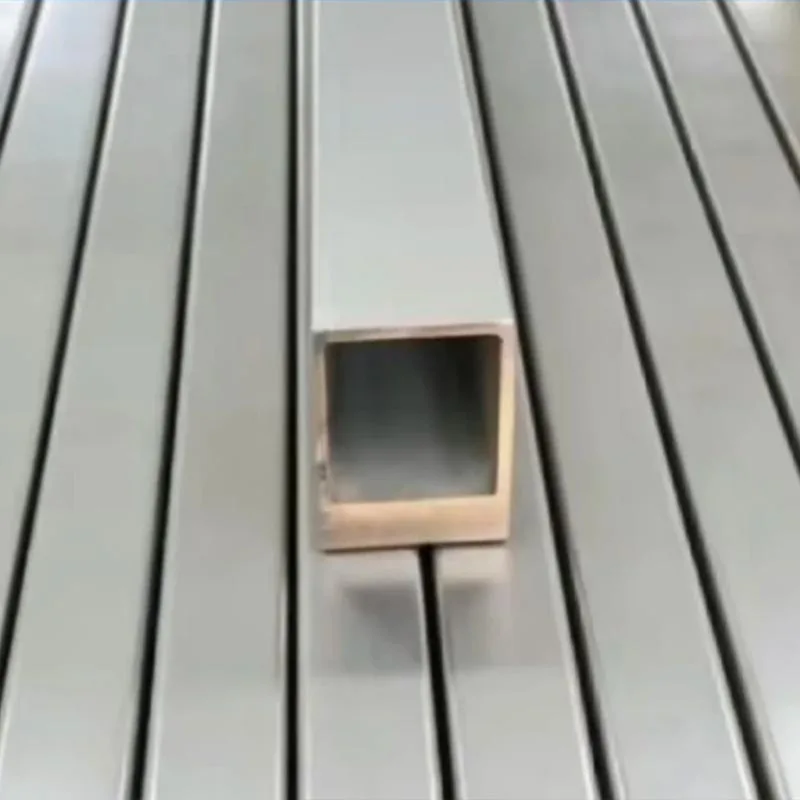
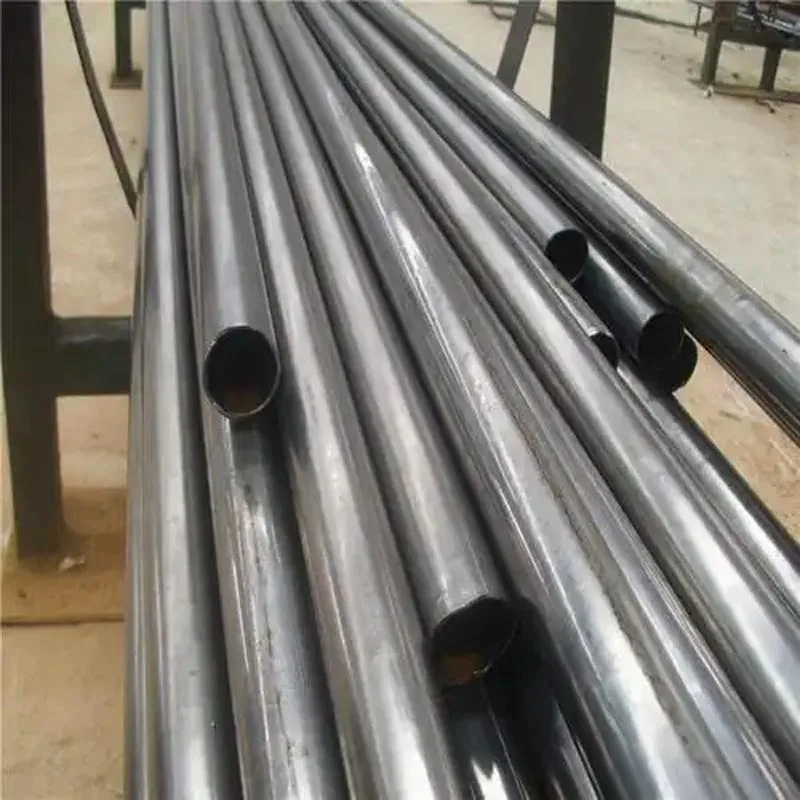
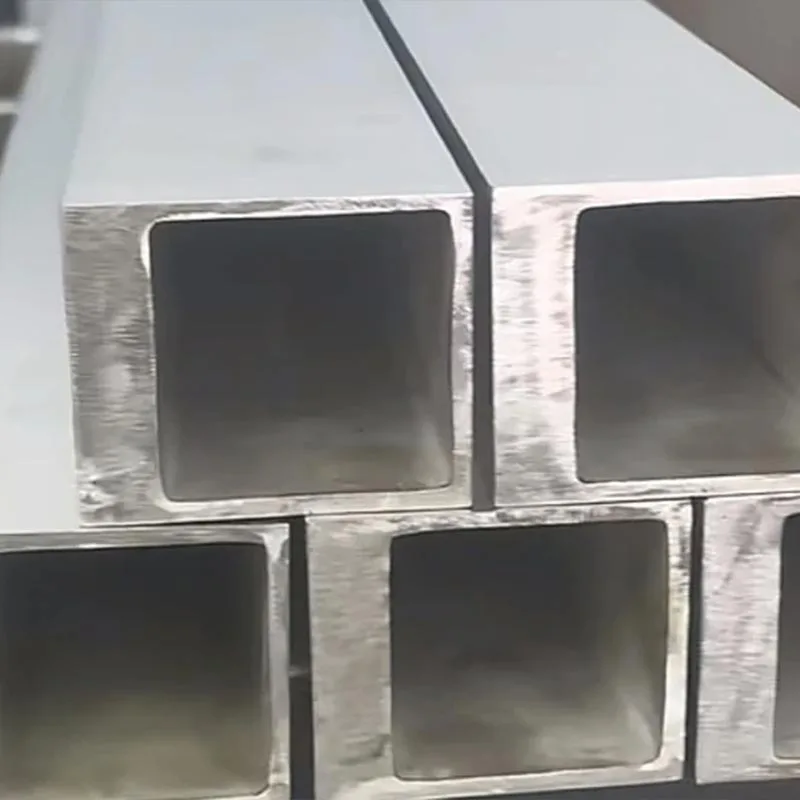
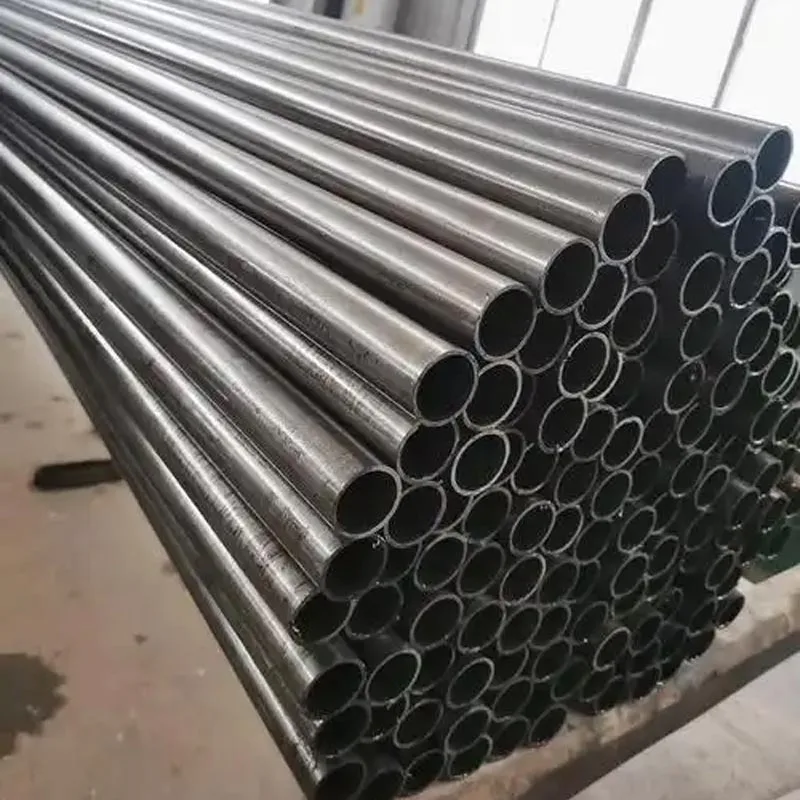
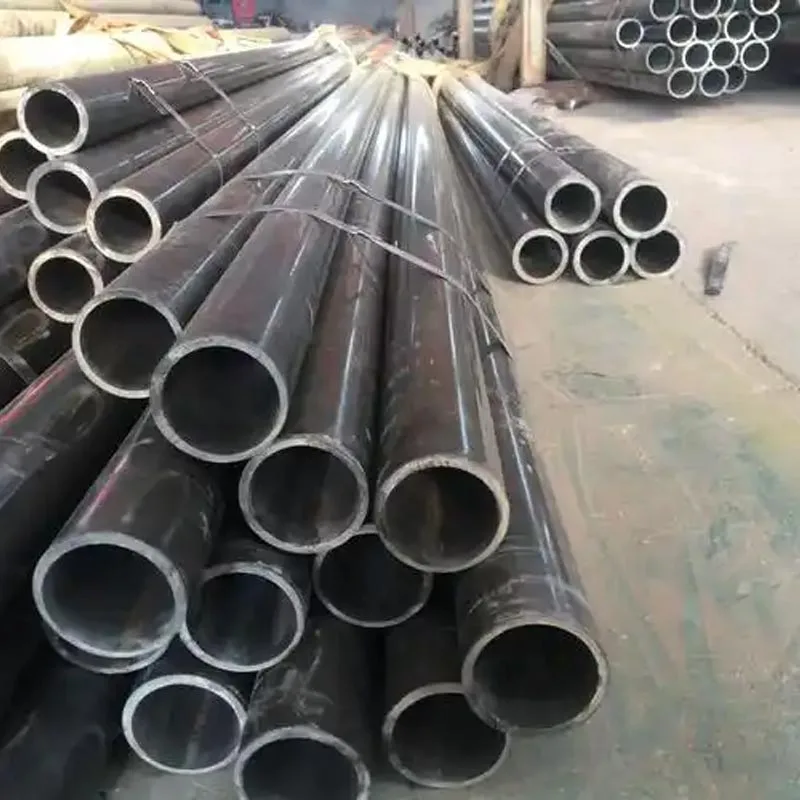
NS3304 Seamless Pipe
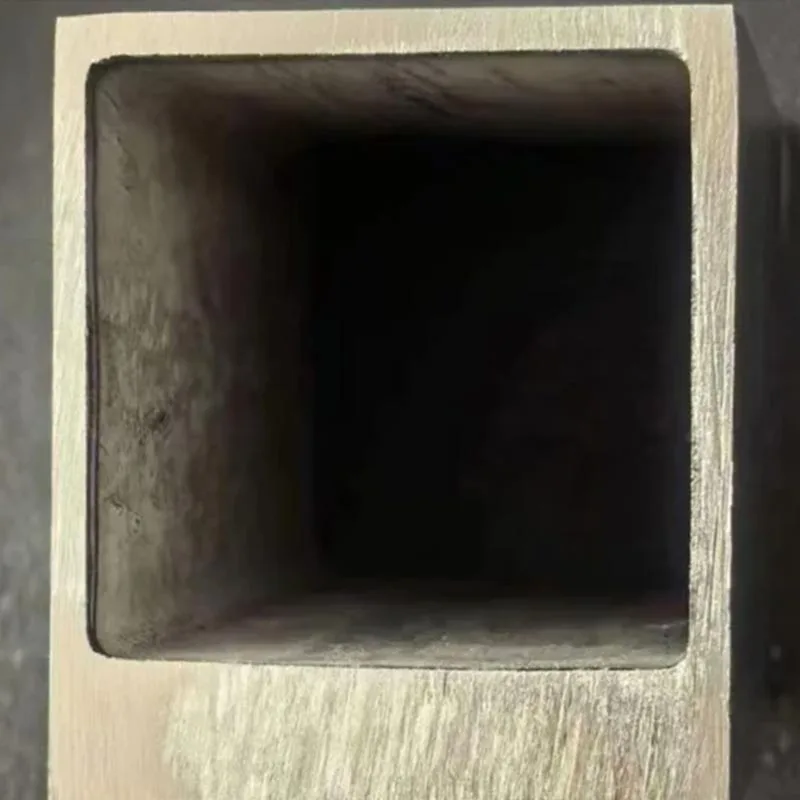
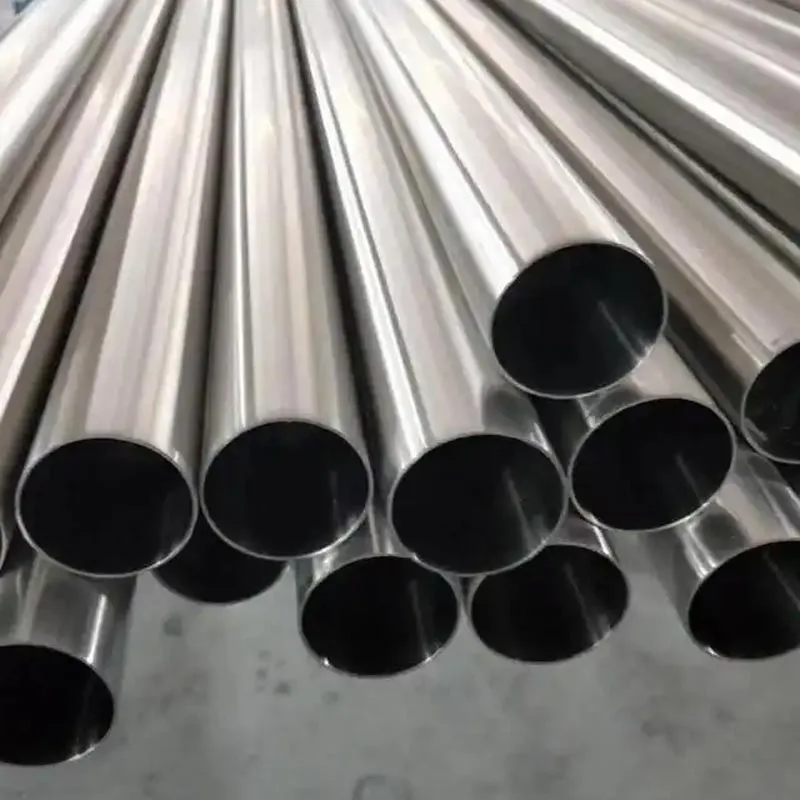
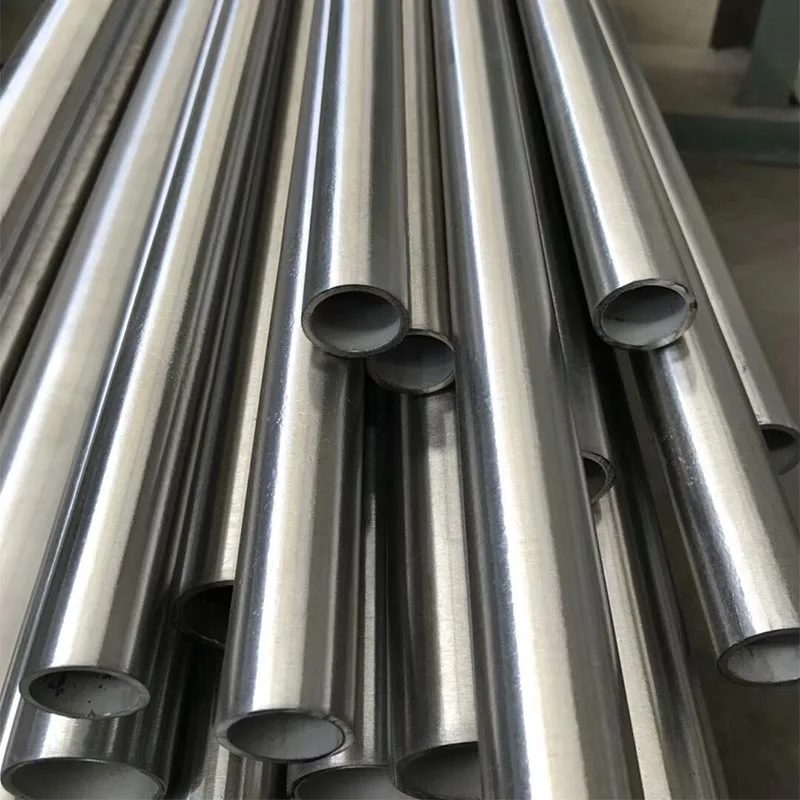
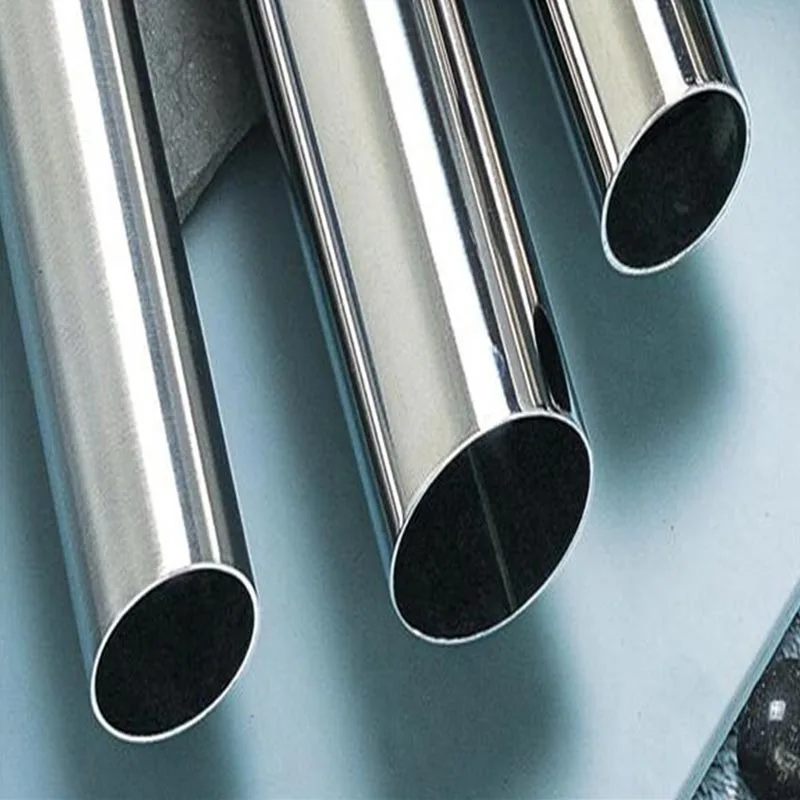
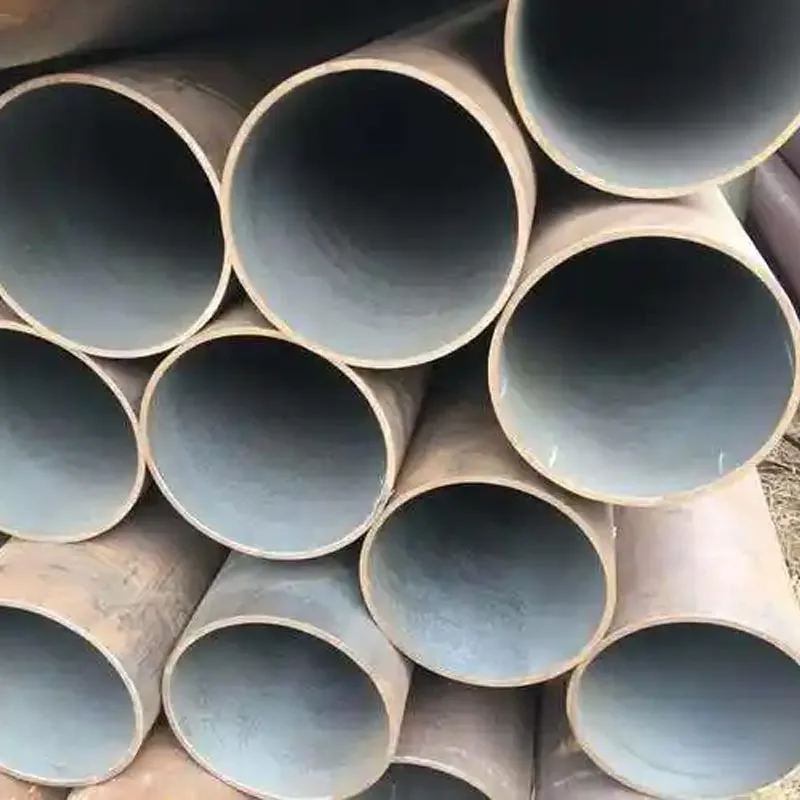
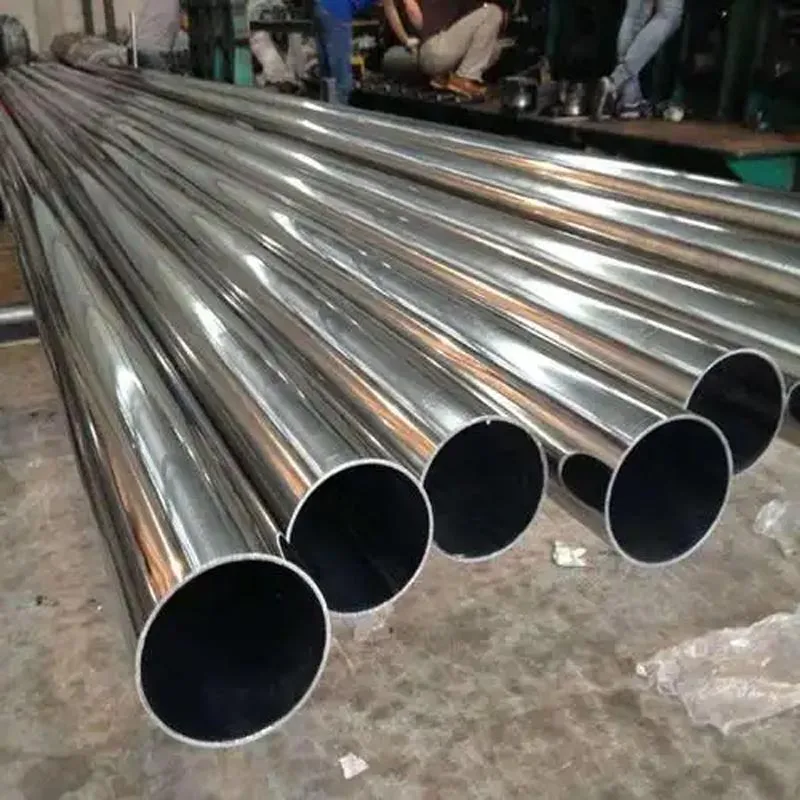
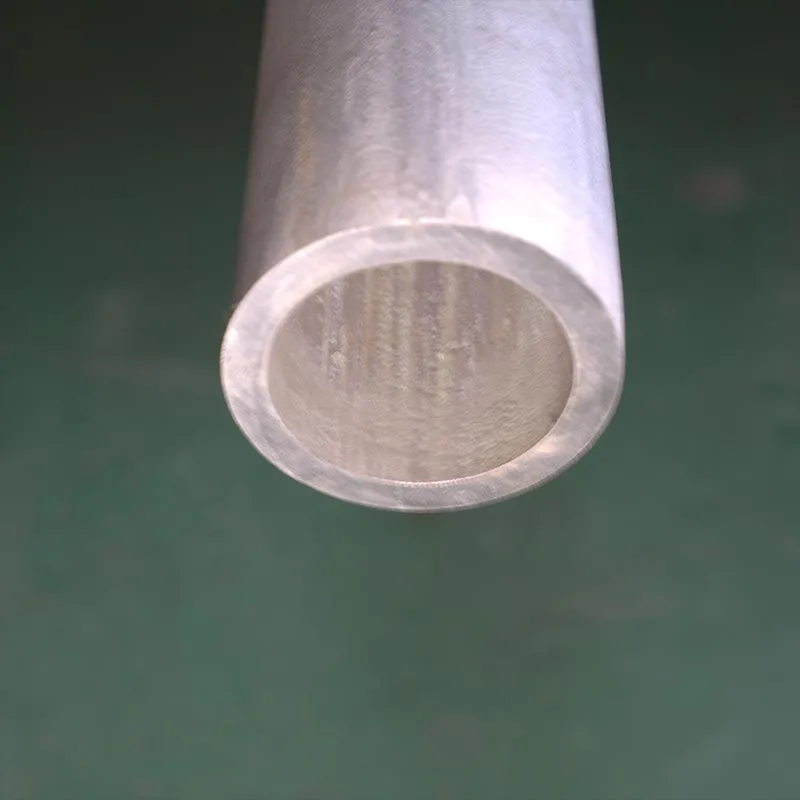
Molybdenum, chromium and tungsten give NS3304 its corrosion resistance in demanding chemical-processing environments. JILAIDA, a nickel alloy pipe manufacturer in China, supplies NS3304 Seamless Pipe in 6–508 mm OD and 1–50 mm wall thickness, hot-extruded for acid handling, flue gas desulfurization and offshore equipment.
NS3304 is a Chinese designation for the nickel-molybdenum-chromium alloy corresponding to Hastelloy C-276, UNS N10276 and W.Nr. 2.4819. JILAIDA manufactures NS3304 Seamless Pipe in China through hot extrusion, producing hollow sections without longitudinal welded joints. Its high molybdenum and chromium contents, together with tungsten and low carbon, provide resistance to a wide range of corrosive media. The product is used in chemical processing, flue gas desulfurization, pulp and paper production, offshore equipment and other corrosion-intensive industrial systems.
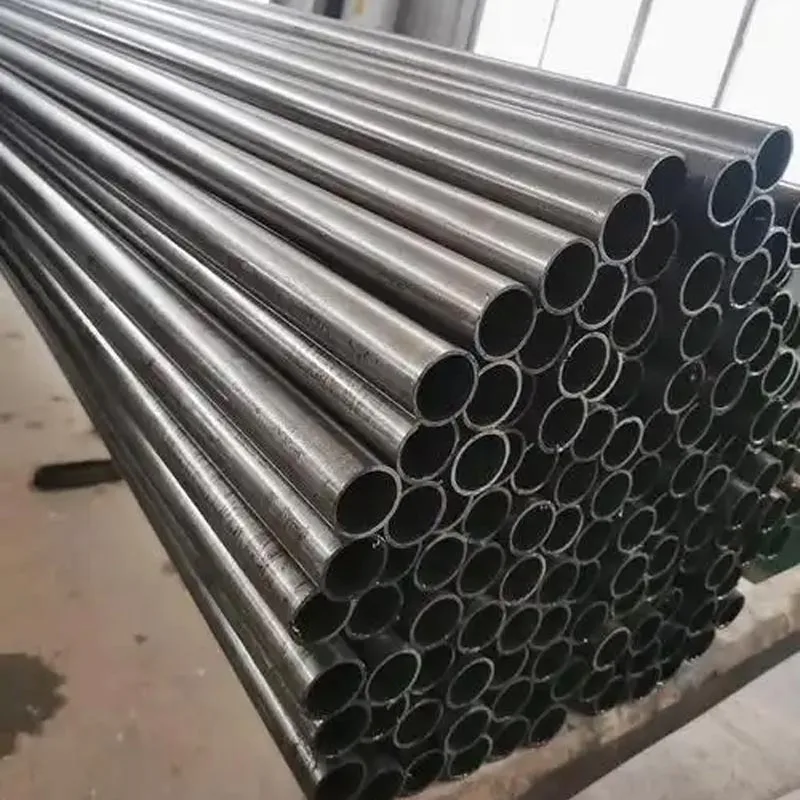
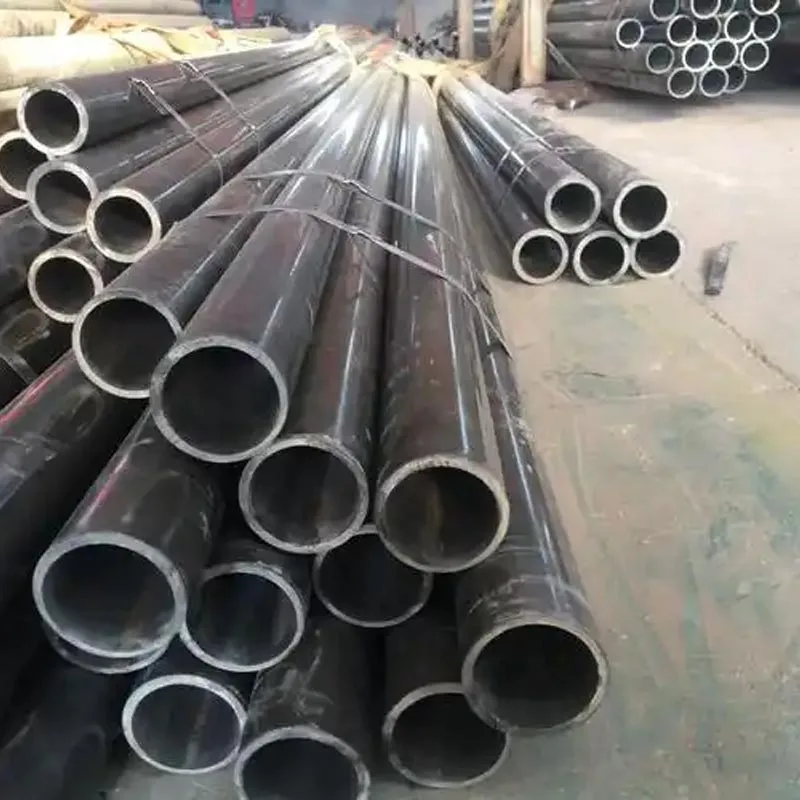
Key Features
Resistance to Reducing and Oxidizing Media
The nickel-molybdenum-chromium composition provides broad resistance to many reducing and oxidizing chemical environments, including selected acid-processing applications.
High Resistance to Localized Corrosion
Offers strong resistance to pitting, crevice corrosion and chloride-induced stress corrosion cracking.
Low Carbon Composition
Carbon content of no more than 0.010% helps limit carbide precipitation and supports corrosion resistance in welded fabrications.
Seamless Hot-Extruded Construction
Formed from solid billet without a longitudinal welded seam or associated weld heat-affected zone along the pipe wall.
Nickel-Molybdenum-Tungsten Chemistry
High molybdenum and tungsten contents contribute to corrosion resistance in aggressive reducing environments.
Customized Dimensions
Available in a broad range of outside diameters and wall thicknesses, with cut-to-size lengths and customized specifications.
Chemical Composition and Corrosion Resistance
The corrosion performance of NS3304 comes from its carefully balanced nickel, chromium, molybdenum and tungsten composition. Nickel forms the principal alloy matrix, while chromium contributes to resistance under oxidizing conditions. Molybdenum and tungsten improve performance in many reducing chemical environments and help resist localized corrosion.
Typical Chemical Composition
Molybdenum (Mo): 15.0–17.0%
Chromium (Cr): 14.5–16.5%
Tungsten (W): 3.0–4.5%
Iron (Fe): 4.0–7.0%
Carbon (C): ≤0.010%
Nickel (Ni): Balance
The high alloy content makes this material particularly useful where chemical media contain chlorides, acidic compounds or combinations of oxidizing and reducing substances.
Hydrochloric Acid
C-276 is widely used in hydrochloric acid processing equipment and related chemical handling systems because of its resistance to many non-oxidizing acidic conditions.
Sulfuric and Phosphoric Acid
Used in selected sulfuric acid and phosphoric acid processing applications, including chemical production and acid-handling equipment.
Wet Chlorine and Hypochlorite
The alloy provides useful resistance to wet chlorine, hypochlorite and other oxidizing chlorine-containing process environments.
These corrosion characteristics are also relevant to chloride-containing solutions, mixed-acid process streams and industrial equipment exposed to localized corrosion mechanisms. The actual corrosion rate varies with chemical concentration, temperature and process conditions.
Resistance to Localized Corrosion
In chemical processing and marine-related systems, corrosion does not always occur uniformly over the entire metal surface. Pitting, crevice corrosion and chloride-induced stress corrosion cracking can create localized damage, particularly around deposits, confined spaces and stressed areas.
Pitting Corrosion
High molybdenum content contributes to resistance against localized attack initiated by chloride-containing media.
Crevice Corrosion
The alloy is widely selected for components exposed to aggressive solutions in confined or poorly circulated areas.
Chloride Stress Corrosion Cracking
Its nickel-rich alloy structure provides strong resistance to chloride-induced stress corrosion cracking compared with many conventional stainless steels.
Intergranular Corrosion
Low carbon content helps limit chromium carbide precipitation during thermal exposure and welding operations.
Seamless Hot Extrusion Construction
NS3304 Seamless Pipe is formed from nickel alloy billet through hot extrusion. The heated billet passes through specialized extrusion tooling to produce the required hollow section, establishing the initial outside diameter, wall thickness and internal bore.
Unlike welded pipe manufactured from rolled alloy strip, the extruded product contains no longitudinal welded joint. It also avoids the weld metal and heat-affected zone associated with longitudinal welded construction.
Manufacturing Characteristics
Starting material: Nickel-based alloy billet
Forming process: Hot extrusion
Product construction: Seamless hollow section
Main alloy: NS3304 / UNS N10276
Available condition: Solution annealed and pickled
This manufacturing route is particularly relevant to chemical process piping where the continuous tube wall is part of the required product construction. The finished corrosion performance comes from the alloy composition and metallurgical condition, while the seamless manufacturing route eliminates the longitudinal weld as a separate construction feature.
Manufacturing Process and Quality Control
JILAIDA produces the tube through a controlled sequence covering nickel alloy billet preparation, hot extrusion, heat treatment, finishing and inspection. Each stage contributes to the dimensional characteristics and material condition of the finished product.
01. Nickel Alloy Billet Preparation
Billet stock is prepared according to the NS3304 chemical composition requirements, with material identification maintained for production traceability.
02. Hot Extrusion
The heated alloy billet is formed through extrusion tooling to create the seamless hollow tube with the required initial dimensions.
03. Solution Annealing
Heat treatment establishes the solution-annealed metallurgical condition used for the supplied corrosion-resistant alloy pipe.
04. Straightening and Finishing
The tube is processed for dimensional straightness and the specified surface condition, including pickling where required.
05. Non-Destructive Testing
Non-destructive examination can include ultrasonic or other specified testing methods for product verification.
06. Final Dimensional Inspection
Outside diameter, wall thickness, length and relevant dimensional characteristics are checked against the product requirements.
Quality Inspection and Traceability
JILAIDA maintains material and inspection records for NS3304 seamless pipe. The EN 10204 3.1 Mill Test Certificate identifies the supplied alloy grade and records the corresponding chemical composition and mechanical test results. Heat number identification connects the supplied pipe with its material and production records.
Dimensional inspection covers outside diameter, wall thickness and length. Ultrasonic testing and other specified non-destructive examinations can also form part of the product inspection process. The agreed quality documents are provided with the shipment for material verification and quality traceability.
Main Applications
The corrosion resistance of NS3304 Seamless Pipe makes it particularly relevant to process equipment exposed to aggressive acids, chlorine-containing compounds, mixed chemical streams and chloride-rich environments.
Chemical Processing Equipment
Used in chemical reactors, acid transfer piping, heat exchangers, process vessels and associated equipment handling hydrochloric acid, sulfuric acid and other aggressive chemical media.
Flue Gas Desulfurization Systems
Suitable for selected absorber piping, scrubber circulation lines, spray system components and wet flue gas treatment equipment exposed to chlorides and acidic condensates.
Pulp and Paper Industry
Applied in chlorine dioxide bleaching equipment, chemical washing systems, process piping and components exposed to corrosive bleaching chemicals.
Pharmaceutical and Fine Chemical Equipment
Used in selected reactor systems, chemical transfer lines and process equipment where corrosion resistance is important for maintaining equipment integrity.
Offshore and Marine Equipment
Used in selected seawater-related equipment, produced-water systems, offshore heat exchangers and corrosion-resistant piping exposed to chloride-rich environments.
Pollution Control Equipment
Applied in wet scrubbers, gas treatment units, chemical absorption systems and industrial waste-treatment equipment handling corrosive process media.
Customization and Supply Options
JILAIDA supplies standard and customized dimensions for different chemical process piping layouts and equipment configurations. The available dimensional range supports both smaller process lines and larger industrial pipe sections.
Outside Diameter and Wall Thickness
OD and wall combinations can be selected across the available production range.
Length Requirements
Random lengths, cut-to-size sections and customized lengths are available.
Surface Condition
Solution annealed and pickled supply, with surface finishing arranged according to the product specification.
Specification at a Glance
| Parameter | Specification |
| Product | NS3304 Seamless Pipe |
| Chinese Alloy Designation | NS3304 |
| International Alloy Designation | Hastelloy C-276 / UNS N10276 / W.Nr. 2.4819 |
| Grade Designation Standard | GB/T 15007-2017 |
| Seamless Pipe Standard | ASTM B622 / ASME SB622 |
| OD Range | 6–508 mm |
| Wall Thickness | 1–50 mm |
| Length | Random / Cut-to-size / Custom |
| Manufacturing Process | Hot Extrusion (Seamless) |
| Supply Condition | Solution Annealed + Pickled |
| Material Documentation | EN 10204 3.1 MTC and Heat Traceability |
Frequently Asked Questions
Q1: Is NS3304 the same alloy as Hastelloy C-276?
NS3304 is the Chinese alloy designation corresponding to Hastelloy C-276, UNS N10276 and W.Nr. 2.4819. These designations refer to the same general alloy family, with GB/T and international product specifications defining their respective chemical and technical requirements.
Q2: Which corrosive media is the alloy commonly used for?
Common applications include hydrochloric acid, selected sulfuric and phosphoric acid processes, wet chlorine, hypochlorite solutions and chloride-containing industrial media.
Q3: What is the difference between seamless and welded C-276 pipe?
Seamless pipe is formed from solid billet through hot extrusion and contains no longitudinal weld seam. Welded pipe is formed from rolled alloy material and joined through welding. Both use C-276 alloy, while their manufacturing routes and applicable product specifications differ.
Q4: Which standards apply to NS3304 seamless pipe?
GB/T 15007-2017 defines the Chinese corrosion-resistant alloy designation and chemical composition. ASTM B622 and ASME SB622 cover seamless nickel alloy pipe and tube. ASTM B619 and ASME SB619 apply to welded nickel alloy pipe.
Q5: What is the difference between NS3304, NS3305 and NS3308?
NS3304 corresponds to Hastelloy C-276 (UNS N10276), NS3305 corresponds to Hastelloy C-4 (UNS N06455), and NS3308 corresponds to Hastelloy C-22 (UNS N06022). Their chromium, molybdenum and other alloying element contents differ, giving each grade distinct corrosion characteristics.
Q6: What dimensions are available?
The listed range covers 6–508 mm outside diameter and 1–50 mm wall thickness. Random lengths, cut-to-size sections and customized lengths are also available.
Q7: What material documentation can be supplied?
EN 10204 3.1 Mill Test Certificates, heat number traceability, chemical composition reports, mechanical test results and agreed inspection records can be supplied with the product.
Request an NS3304 Seamless Pipe Quotation
JILAIDA supplies hot-extruded NS3304 nickel alloy tubing for chemical processing, flue gas desulfurization, offshore equipment and other corrosion-intensive industrial applications. Send your required OD, wall thickness, length, operating medium and applicable material standard for a product quotation.
Send Your Inquiry
Send Inquiry
Contact Info
-
Address
No. 521 Zhonghui Road, Huishan District, Wuxi City, Jiangsu Province, China
-
Tel
-
Email
Request a quotation from JILAIDA, a professional stainless steel and nickel based alloy seamless pipes and nickel based alloy forged round bar manufacturer in China. Get factory price, customized solutions and reliable supply.
News Recommendations